Soil Sampling to Support Water Quality Improvement
Why this work matters

There has been considerable media attention recently about the impact of heavy metals − particularly lead − on our watercourses and, ultimately, on human health. There is, in fact, no safe level of lead exposure. Even low concentrations can be harmful, especially to children. It is therefore no surprise that the UK Government has set a target to halve the length of rivers polluted by harmful metals from abandoned metal mines by 2038, and YDRT is proud to be involved in projects working to deliver that ambition.
The hidden legacy of metal mining

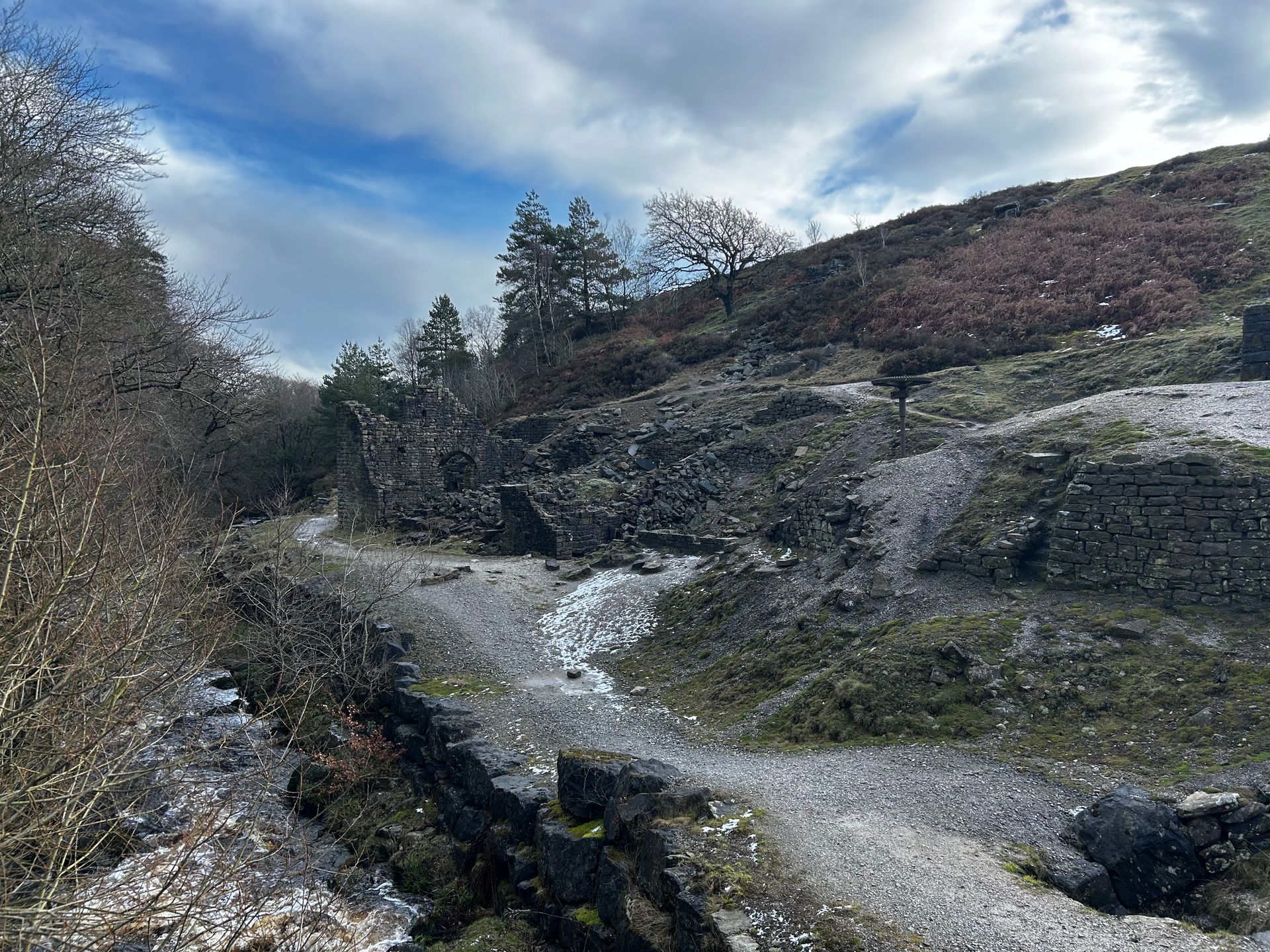
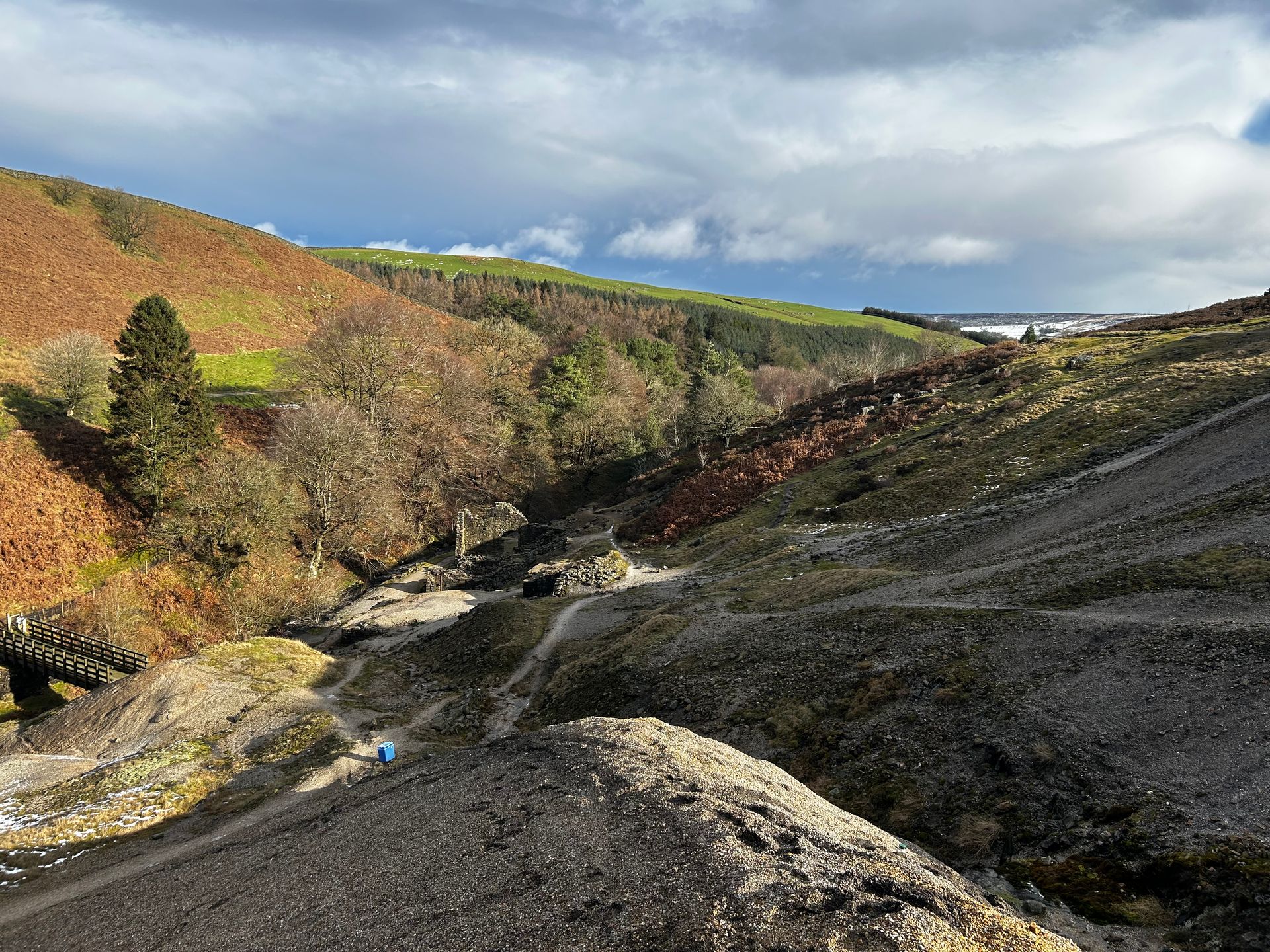
Across the Yorkshire Dales, the legacy of the 18th and 19th century lead mining industry − something of a regional ‘mini goldrush’ − remains etched into the landscape. Scheduled monuments such as chimneys, buildings and mine levels still stand as striking reminders of this industrial past. Less visible, but equally significant, are the countless barren spoil heaps and drainage tunnels (adits) scattered across hillsides – features responsible for the heavy metals such as lead, cadmium and zinc, entering our watercourses.
“The problem is that historic mining activities have left behind loose, unvegetated, heavy metal-rich mine waste,” explains YDRT Project Manager, Ellen Shields. “When it rains, these metals are washed into nearby becks and streams, contaminating water that flows downstream to rivers and reservoirs, and also causing harm to aquatic ecosystems and wildlife.”
A day in the field soil sampling

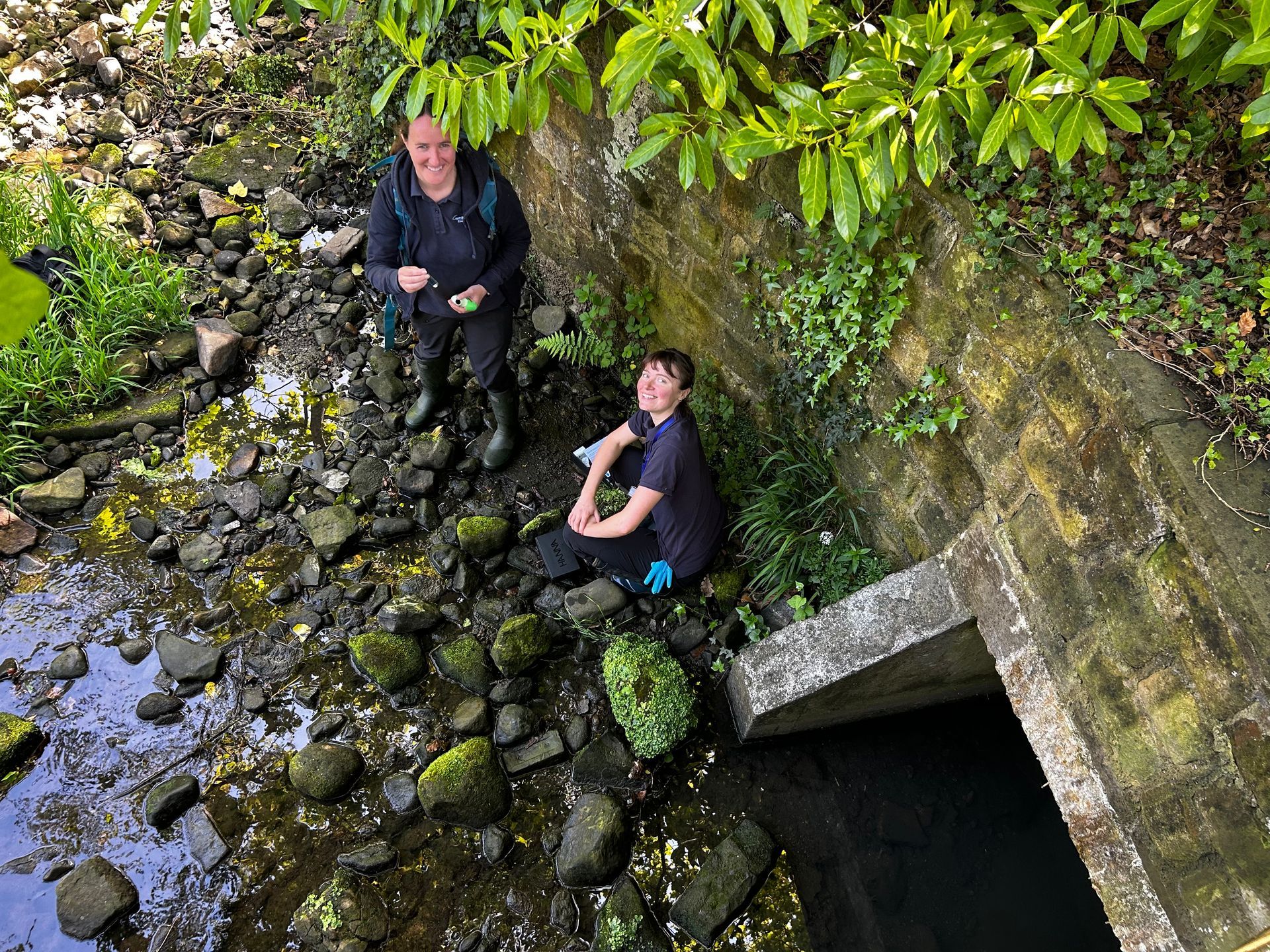
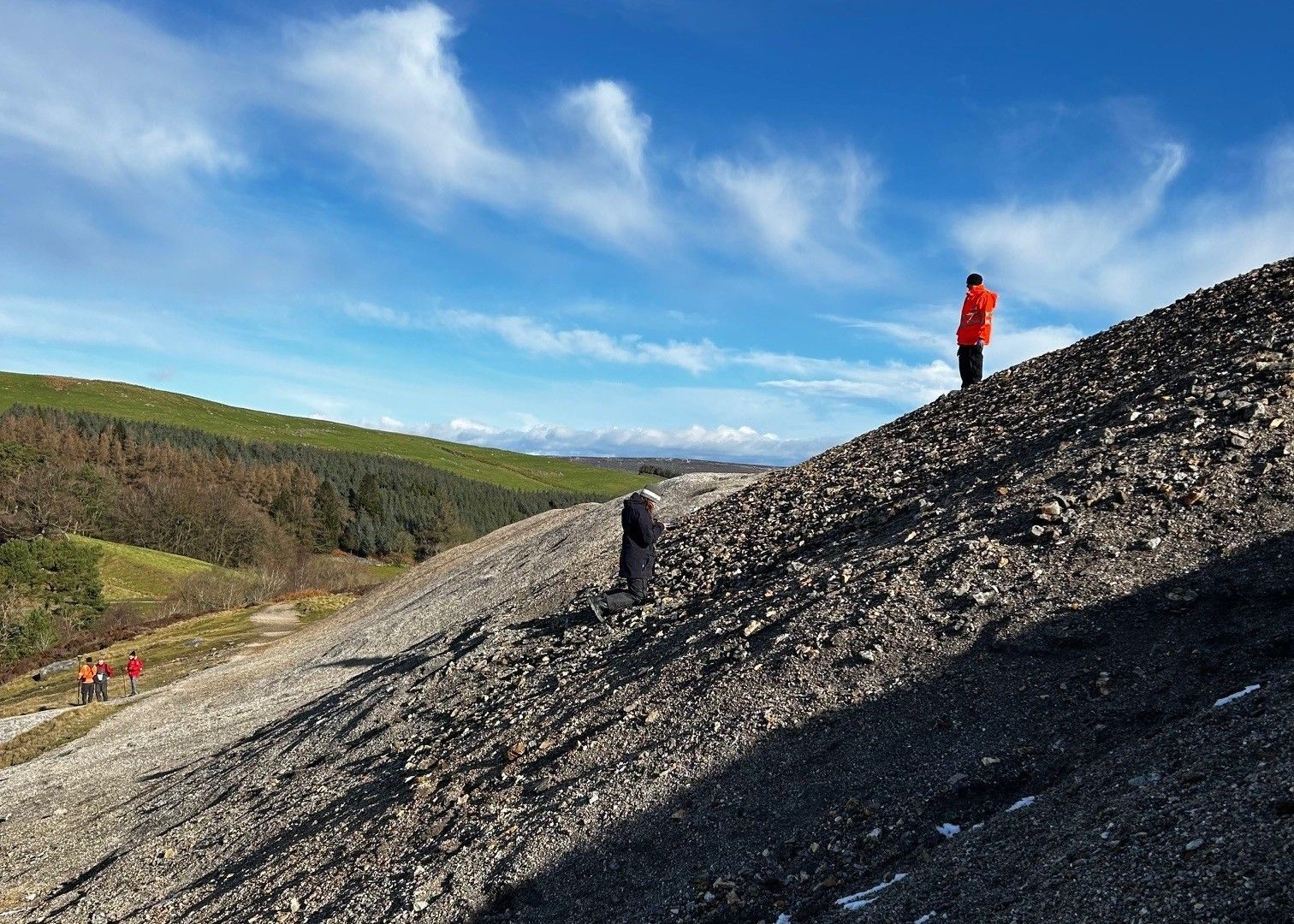
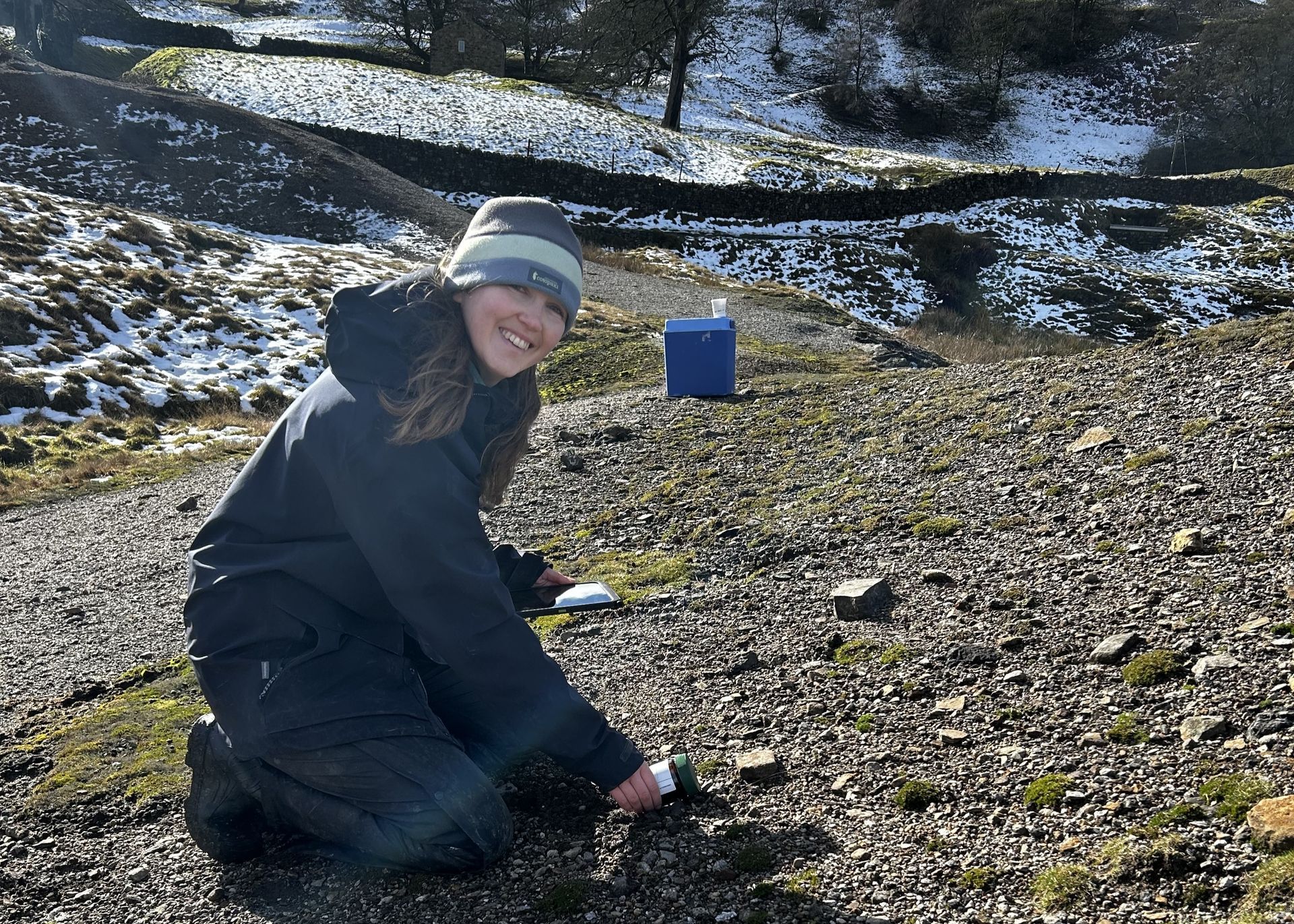
Keen to understand the scale of the challenge, I joined Ellen at one of the Trust’s sites to assist with soil sampling − a crucial part of the early testing and analysis stage of any metal mine remediation project. The data gathered will help identify priority areas and inform decisions about the most appropriate restoration techniques.
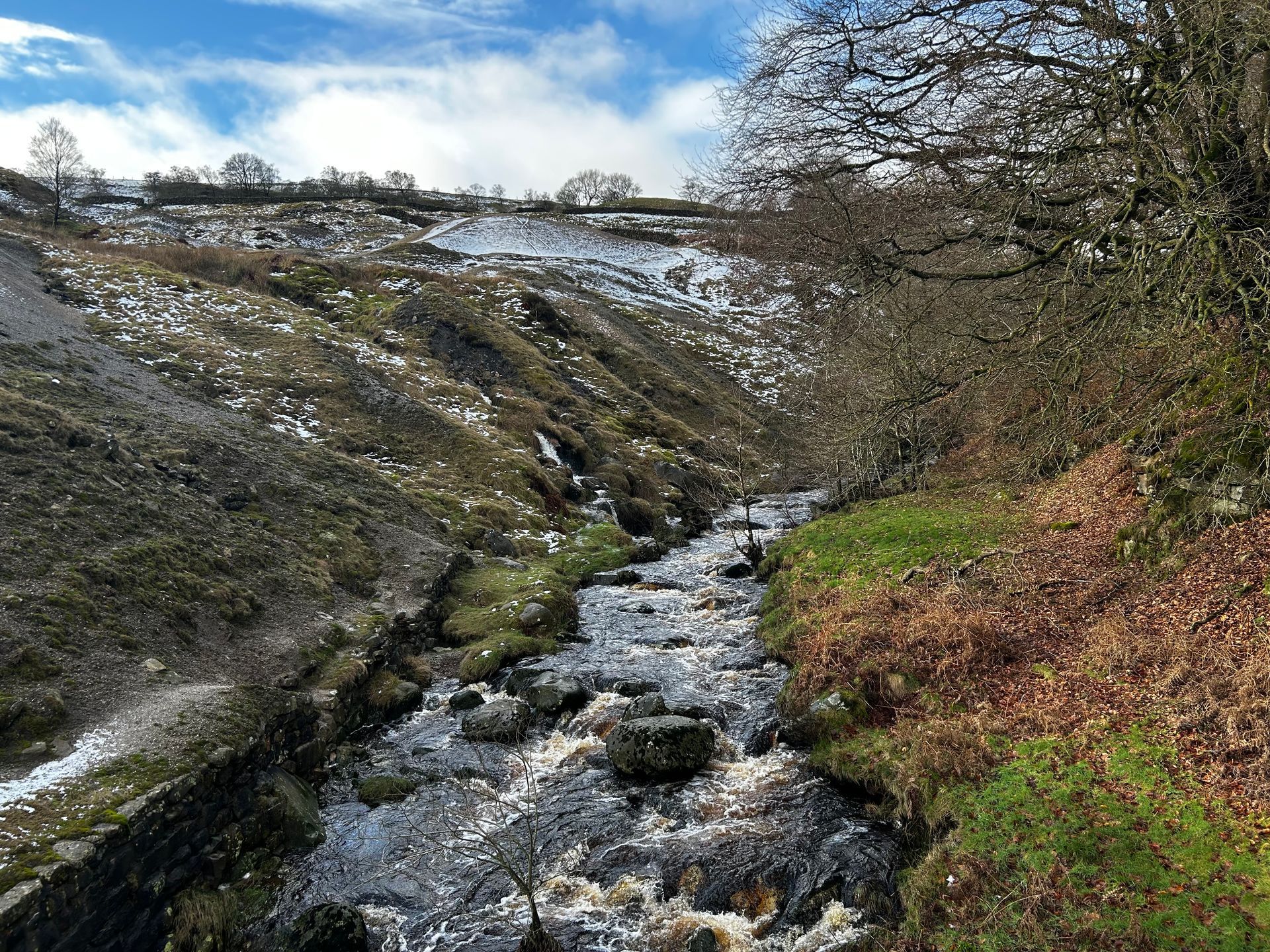
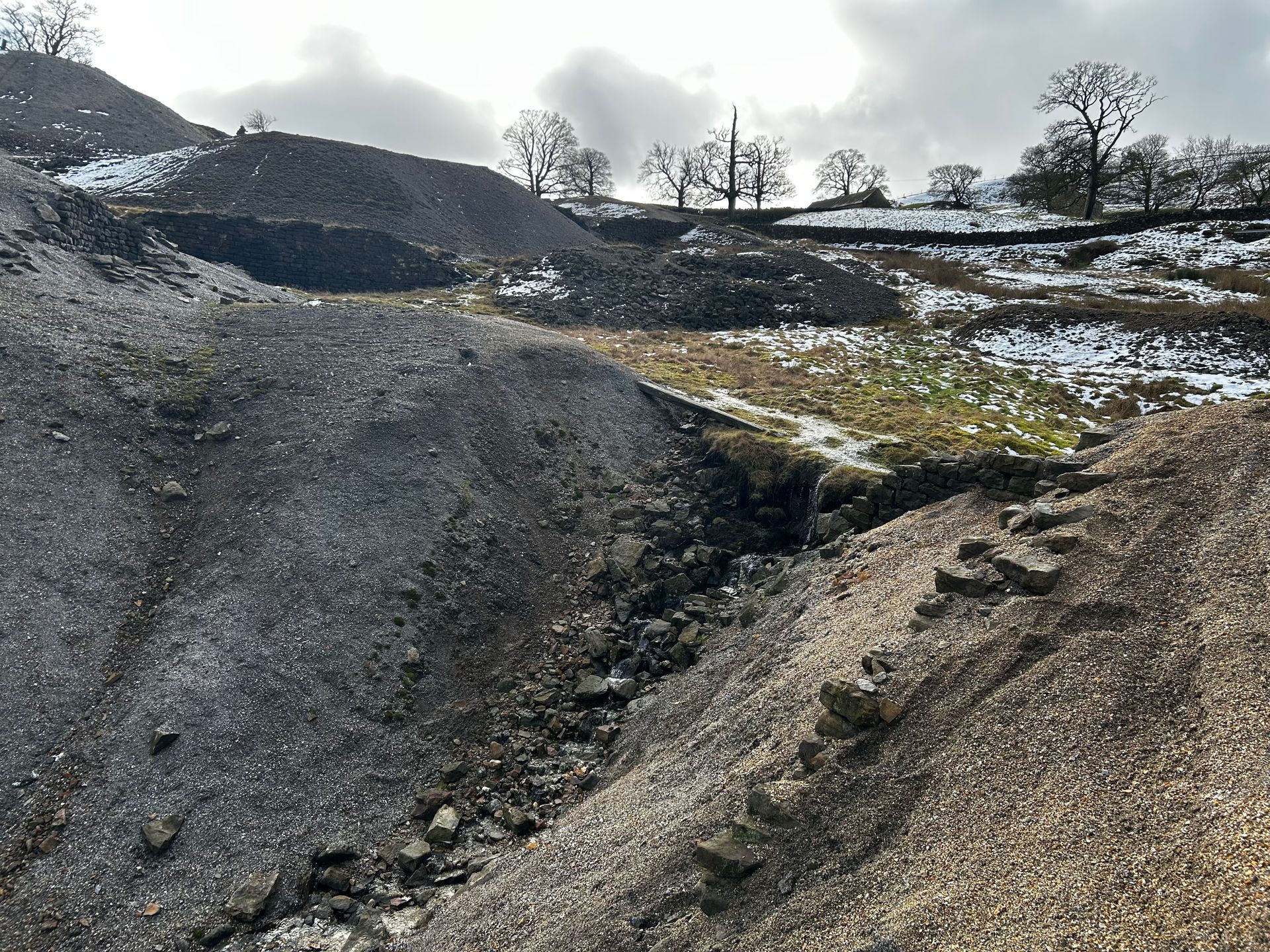
With the sun shining and the last remnants of weekend snow still clinging to the ground, it was the perfect day to observe how water moves through the spoil heaps, with the meltwaters carving countless small gullies through the loose material, rushing under and across the site before making their way to the beck in the valley bottom. It was a vivid demonstration of how easily contaminants can be mobilised.
How sampling works

Prior to my visit, Ellen had divided the site into ten prominent spoil heaps. Our task was to collect between three and five soil samples from each heap for laboratory analysis, testing for heavy metal concentrations. Every sample was also precisely geo-referenced to build an accurate contamination map of the site.
Even to my untrained eye, the variation between spoil heaps was striking, with differences in colour, texture and composition abundantly clear, as was the spoils varying ability to support even sparse lichens or hardy metal-tolerant plants.
A fragile landscape

The fragility of the mine waste was also evident, with its loose, unstable composition making it highly vulnerable to erosion from water, wind and even footfall.
On the same day, Historic England was also on-site mapping archaeological features, as any future remediation work must strike a careful balance between reducing environmental harm whilst protecting the significant industrial heritage that gives this landscape its distinctive character.
Looking ahead

Addressing centuries-old pollution is no small task. Yet projects like this demonstrate how science, conservation and heritage management can work together to restore water quality whilst respecting the past.
Soil sampling may seem like a small first step, but it provides the essential evidence base needed to design effective, lasting solutions for our rivers and their communities downstream.