Where Art Meets Action: Rivers4Life and the YDRT Open Day 2026

3 July 2026

This year’s Open Day literally had something for everyone...

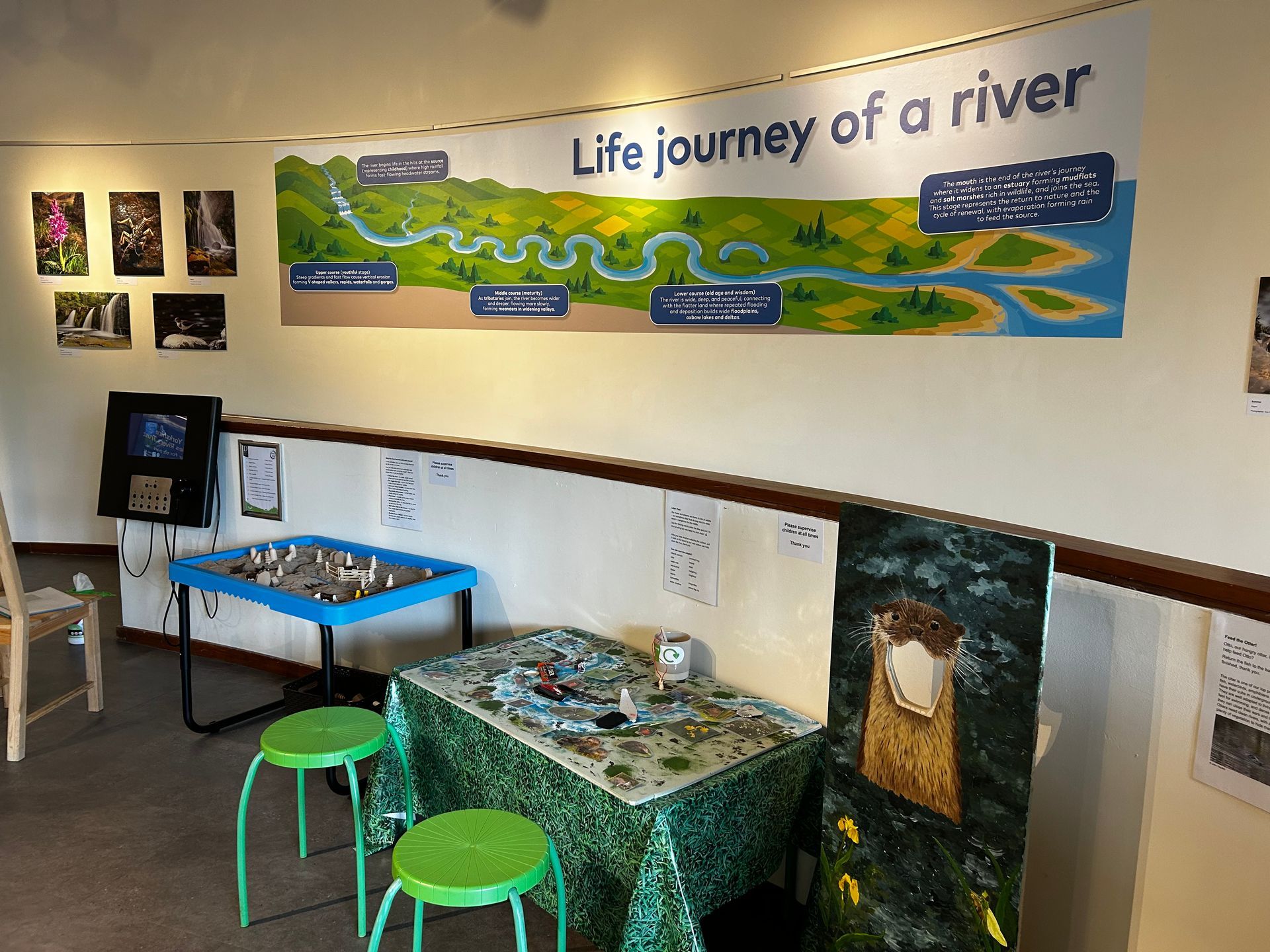
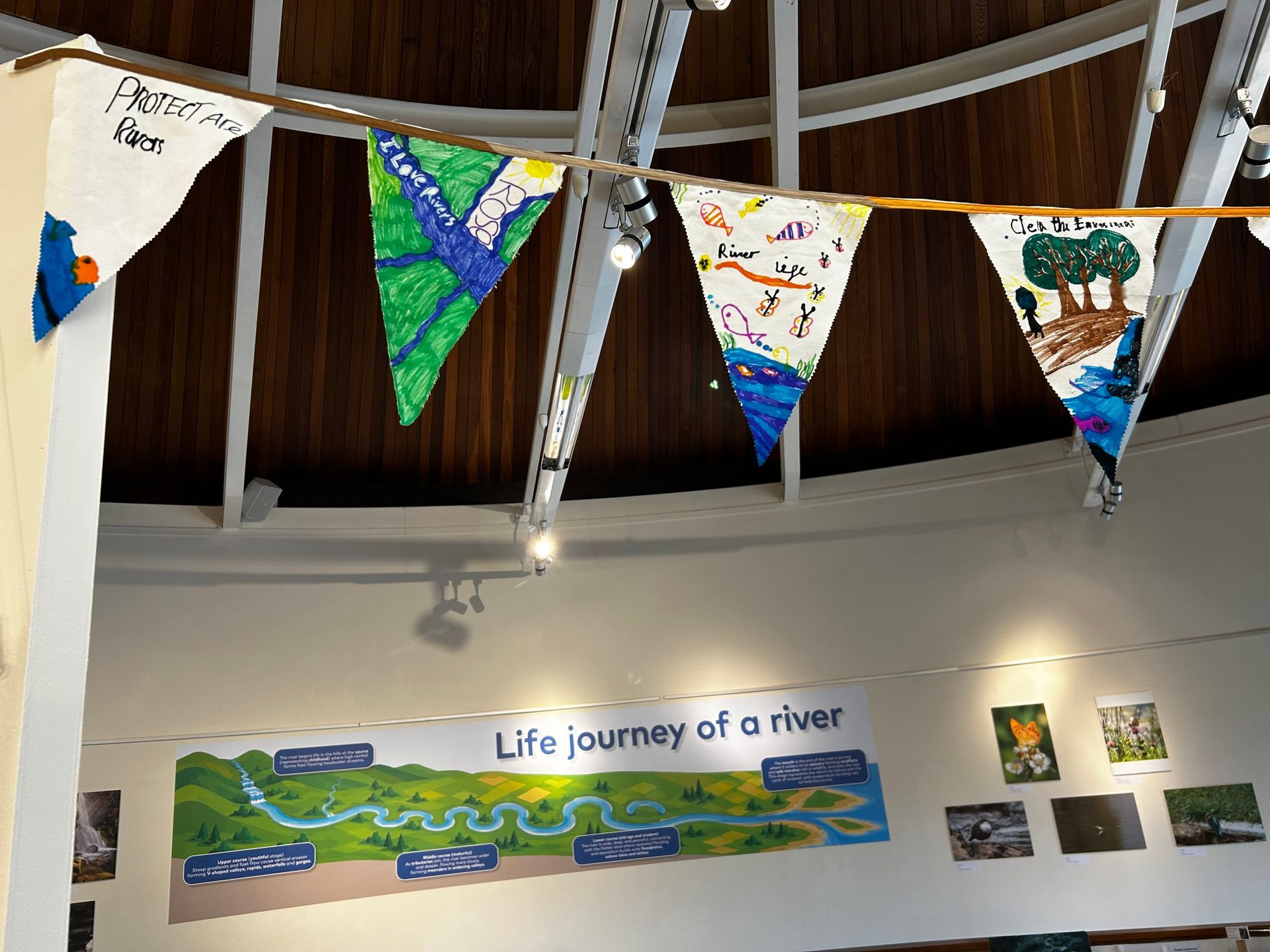
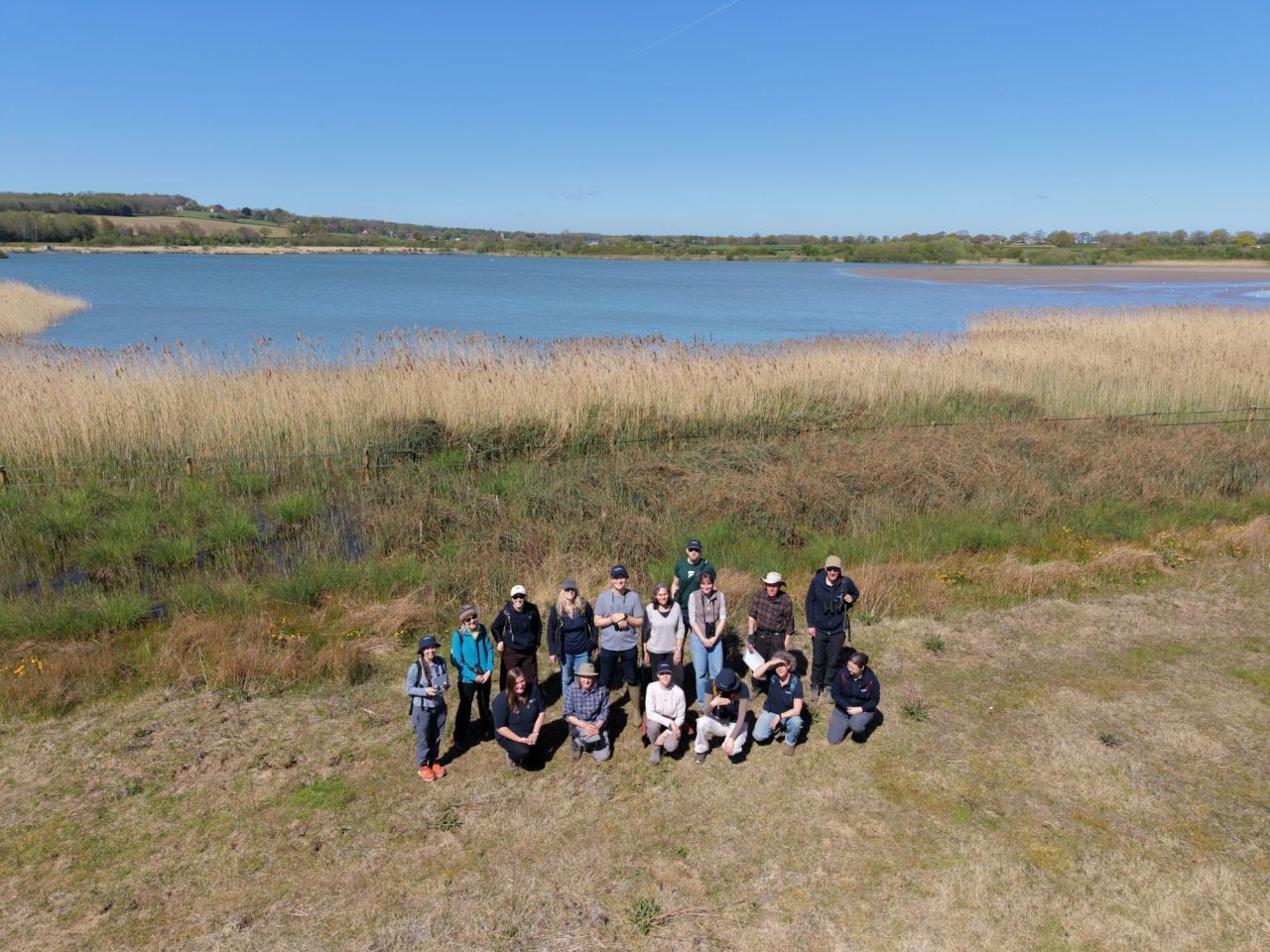
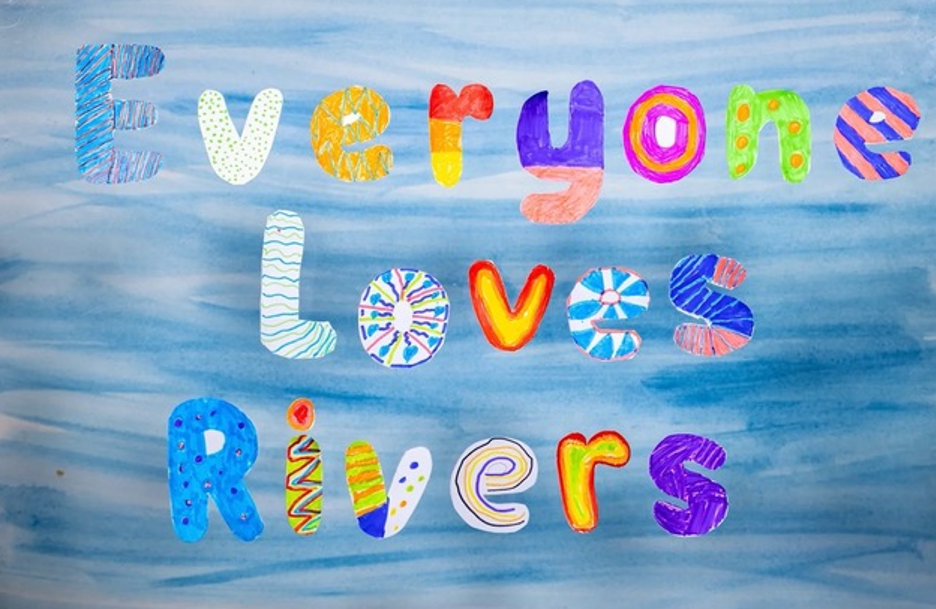
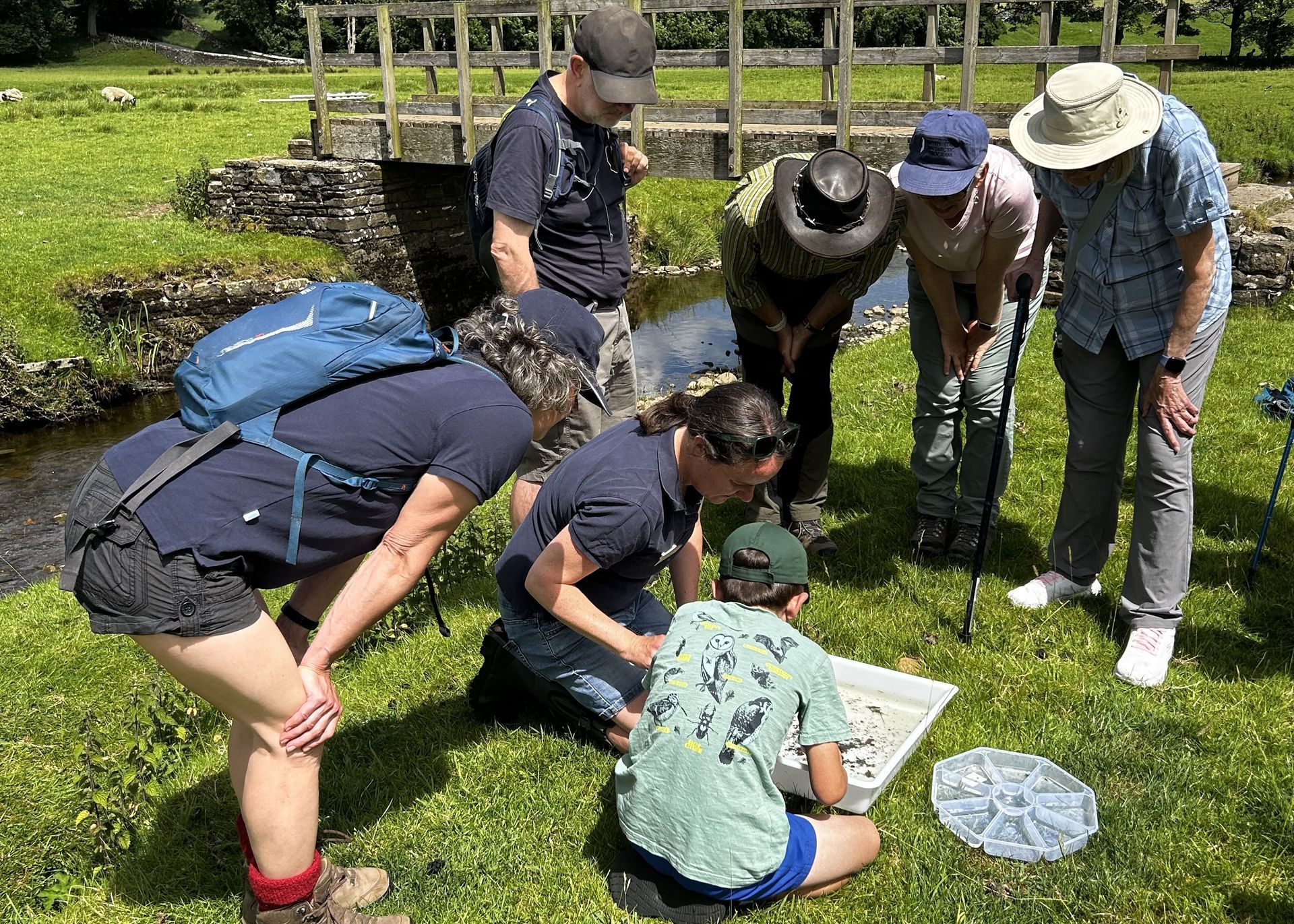
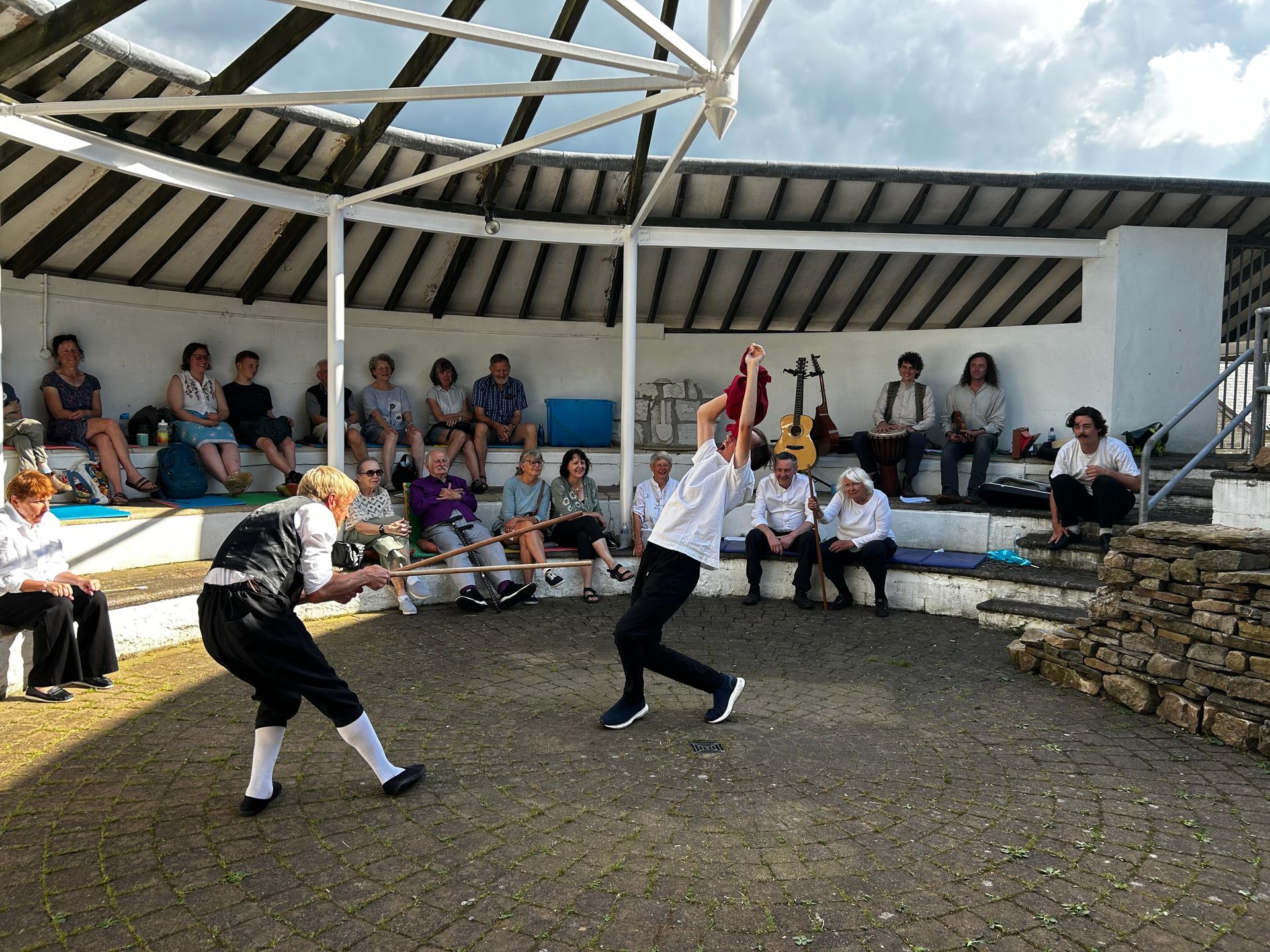
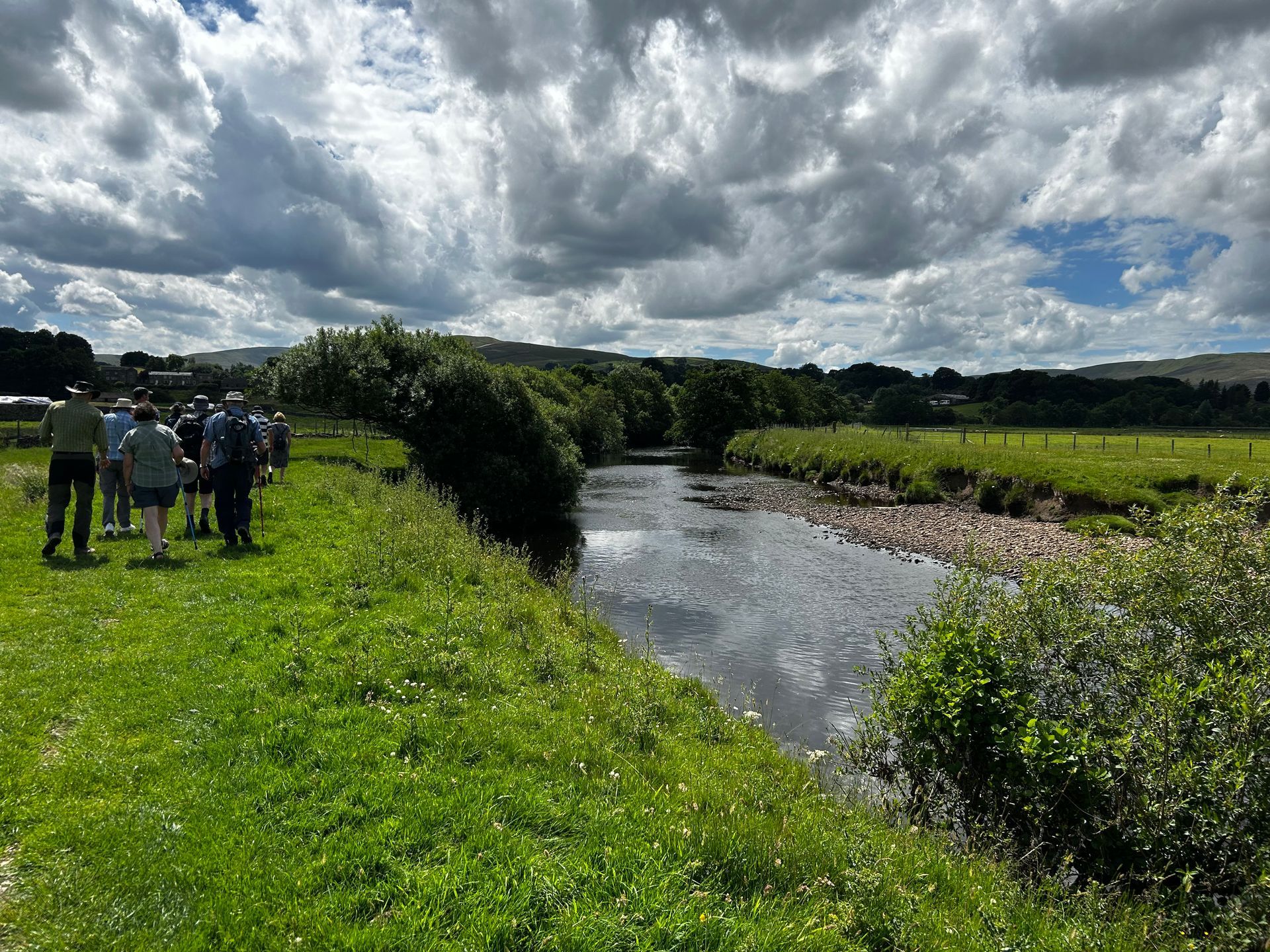
Tea and cake for the hungry and weary. Our superlative Rivers4Life exhibition for anyone wanting to lose themselves in the wonders of nature and others’ creative responses to it. Two talks for the more academically minded. A guided walk of the River Ure in the sunshine to see our restoration work, along with a fun Riverfly demonstration. And, for those seeking an even bigger immersion, a fabulous community theatre performance (with a brilliant live folk score) under the June evening sky in the Dales Countryside Museum’s open-air amphitheatre.


Apologies if you missed it – but many of the day’s highlights continue to be available (until 27 September!)…from the soundscape of a freshwater snail gurgling away, stunning wildlife dress up clothes, to Applegarth Primary School’s utterly brilliant stop-frame short animation film.


There is even one further performance of Tributaries left to run at Ripon Workhouse Museum on 4 July by Fellfoss Theatre supported by the acclaimed The Brothers Gillespie.

Here’s what some of those who came along had to say about the day:


“What a comprehensive exhibition and what an awful lot of work has gone into producing it! The way it all linked together like a seamless flow was so impressive. And the fact that you’ve involved so many children and young people in it was marvellous – as they are the future custodians of our rivers. The whole experience is really enjoyable.”

Sheila Simms, supporter and member of Yoredale Natural History Group


“I really enjoyed the outdoor theatre performance − its fusion of beautiful folk elements and immersive acting really brought the river and its history to life. The poetry of Thomas Maude was captured by some creative performances and a well-crafted story. Loved it – a huge well done to all those involved!”

Issy Preston, supporter

An interesting exhibition. I thought the information about diffuse metal mine pollution was really insightful. It was also great to read more about the Trust’s Invasive Non-Native Species mapping and what’s been done to identify future priority areas – which I look forward to volunteering for!”

Mark Booth, volunteer


The Rivers4Life project is supported and funded by the National Lottery Heritage Fund. For further information visit:

by Victoria Benn 1 June 2026
Discover the Rivers4Life Exhibition
26 May 2026
Read our latest update here!
by Victoria Benn 15 May 2026
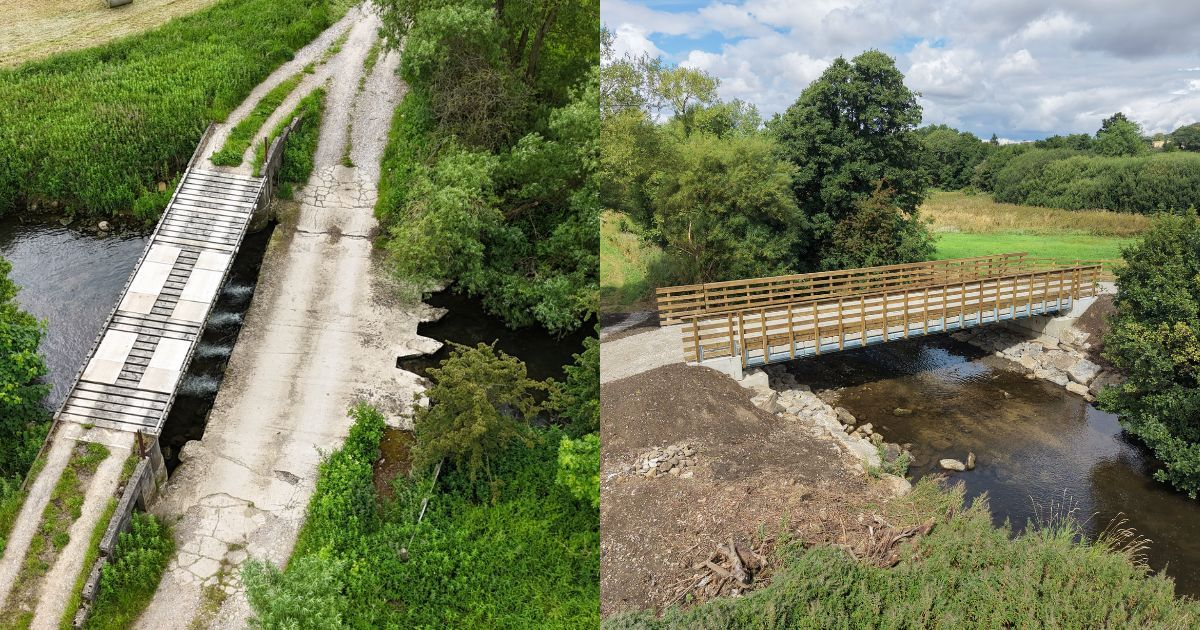
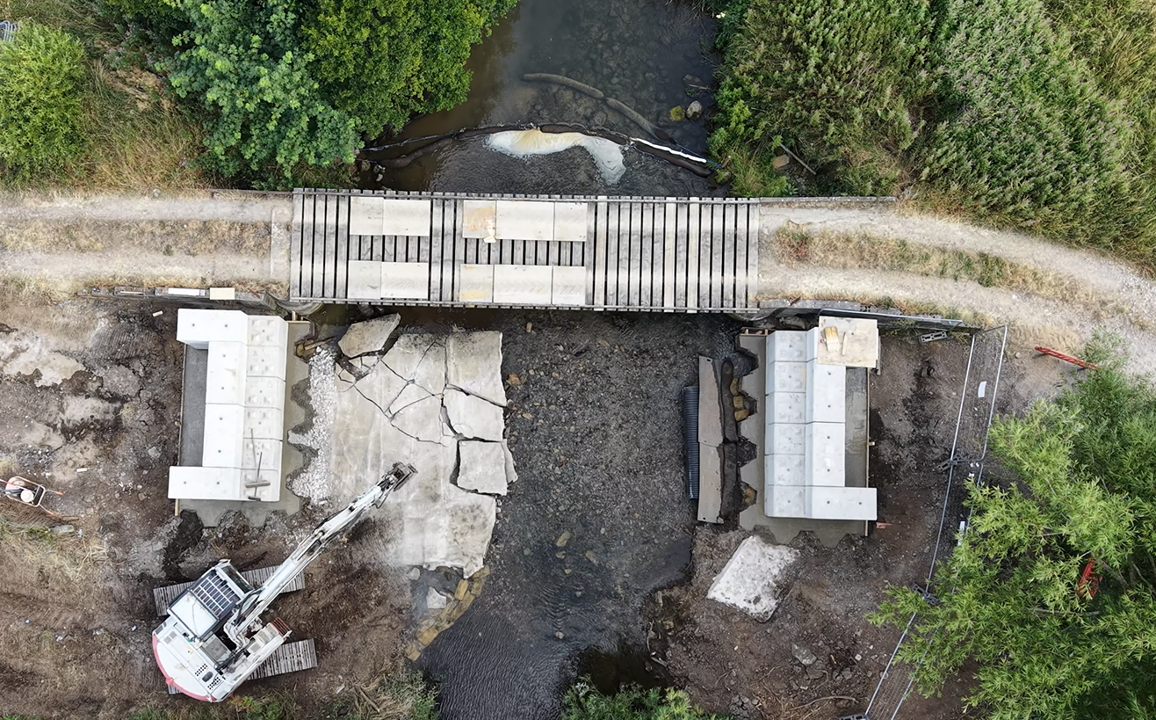
Restoring rivers by improving fish passage is a vital part of enhancing our river environment. One of the newest members of the YDRT team, Kate Colledge, is leading this important work. Kate joined as a Project Manager, with funding support from Great Yorkshire Rivers , which is a collaboration of Yorkshire Water, the Environment Agency, the Rivers Trust and other partners. As both a Chartered Civil Engineer and Chartered Environmentalist, she brings a wealth of expertise to the role which focuses on identifying and prioritising barriers within our rivers which prevent fish from moving freely through our rivers and streams.
by Victoria Benn 23 March 2026
Why this work matters
by Victoria Benn 13 March 2026
Read our latest update here!
by Victoria Benn 20 February 2026
Discover how we use one technology in myriad ways to support some very different river and catchment improvement, restoration and remediation projects
22 January 2026
Read our latest update here!
by Mary Boyd 24 November 2025
Mapping technology has enabled us to identify and prioritise catchments across the region that would benefit most from nature-based solutions (NbS) to help restore river health and mitigate flooding. Using software developed by national river restoration charity, The Rivers Trust, and applying it to 161 waterbodies in the catchments of the rivers Swale, Ure, Nidd, Ouse and Wharfe, we have been able to select 16 water bodies for their ability to deliver multiple benefits for rivers and nature. YDRT project officer Lucy Hyde said: “The mapping software has allowed us to review rivers and catchments against some key criteria including nutrient runoff from farming activities and silt erosion – both of which contribute extensively to rural waterbody pollution. We also looked for opportunities to increase riparian shading, which helps to keep rivers cool during increasingly warm summers and provides valuable habitats that benefit fish populations. “Interventions such as riparian tree planting or wetland creation not only intercepts nutrient and silt runoff through complex root structures, stabilising banks from further erosion, but also creates new habitats or connects existing habitats helping create ‘wildlife corridors’ for invertebrates, small mammals and birds.” Following the completion of the mapping phase, we are now looking to work in partnership with existing organisations, landowners, farmers, and other local stakeholders to deliver on the ground solutions. If you are interested in finding out more about this email: lucy.hyde@ydrt.co.uk The priority waterbodies are: Cotterdale Beck from Source to River Ure; Riccall Dam Catchment (trib of Ouse); Hebden Beck Catchment (trib of Wharfe); Oak Beck Catchment (trib of Nidd); Snaizeholme Beck from Source to Widdale Beck; Widdale Beck from Source to Snaizeholme Beck; Hambleton Beck/Ings Beck Catch (trib of Wharfe); Barden Beck Catchment (trib of Wharfe); Sand Beck from Source to River Swale; Park Gill Beck from Source to River Wharfe; Skeeby/Holme/Dalton Beck from Source to River Swale Brough Beck/Scotton Beck from Source to River Swale; River Skirfare from Source to Heselden Beck; River Ure from Source to Widdale Beck; Willow Beck Catchment (trib of Wiske); River Wiske from Source to the Stell You can view the entire map below:
YDRT testing Oak Beck outfall
4 November 2025
Read our latest update here!
Culvert in Harrogate
30 October 2025
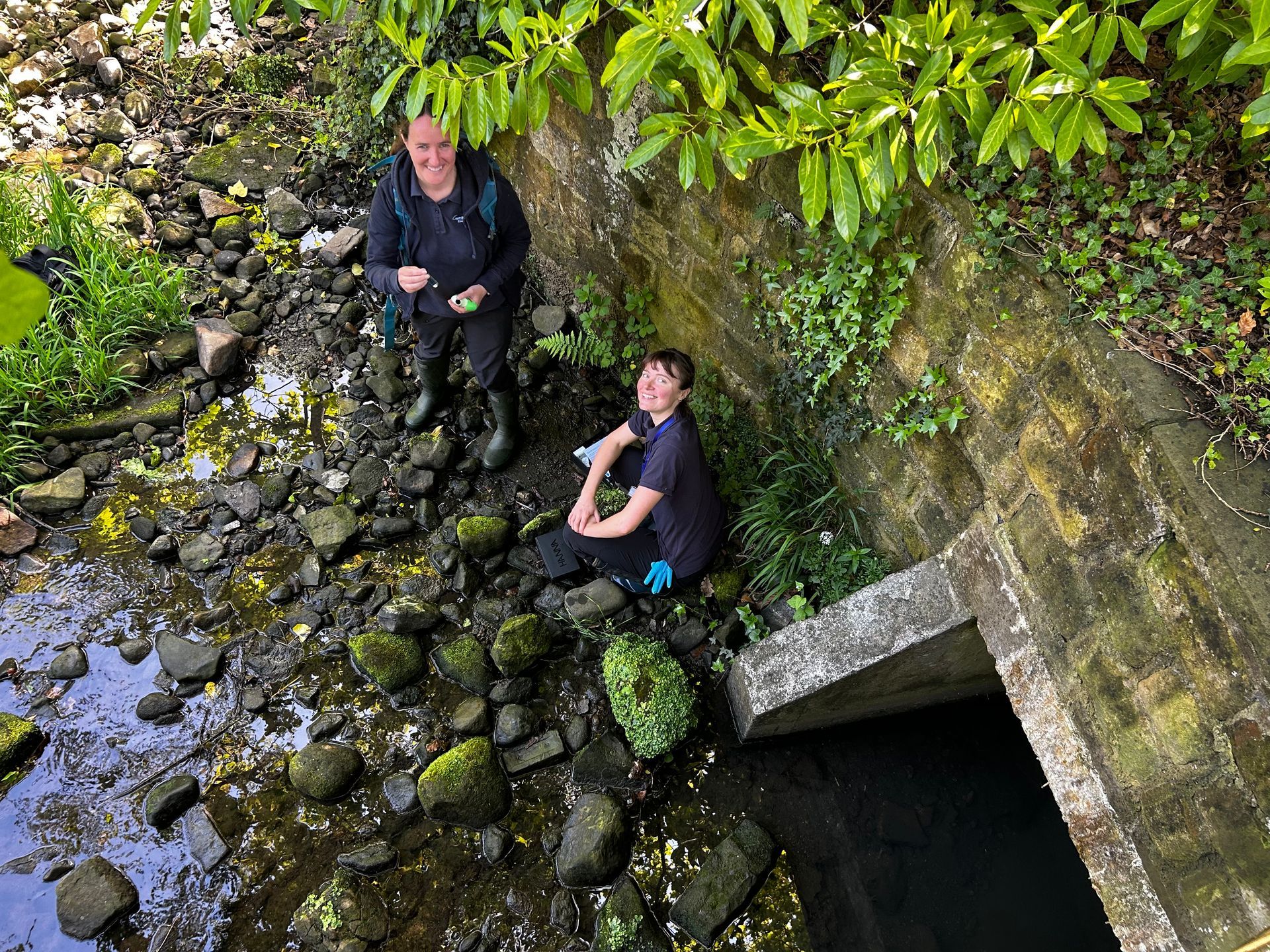
Our major survey of Harrogate’s Oak and Bilton becks has uncovered that several misconnections in the drainage network are adding highly polluting discharges to the waters of both waterways. Read the full report to find out more about this important Outfall Safari survey – and watch the short info-reel to learn more about outfalls and how you can look after your local one. For those wanting to learn about the results and ask any questions in person, please come along to our public event on Wednesday 26 November, 6-8pm at St Peters Church, Harrogate.  Book your place by clicking on the button below:
Show More