Removing Barriers to Fish Passage in the Yorkshire Dales

Restoring rivers by improving fish passage in the Yorkshire Dales is a vital part of protecting our natural environment. One of the newest members of the YDRT team, Kate Colledge, is leading this important work.
Kate joined as a Project Manager, with funding support from Great Yorkshire Rivers, which is a collaboration of Yorkshire Water, the Environment Agency, the Rivers Trust and other partners. As both a Chartered Civil Engineer and Chartered Environmentalist, she brings a wealth of expertise to the role which focuses on identifying and prioritising barriers within our rivers which prevent fish from moving freely through our rivers and streams.
Why Fish Passage Matters

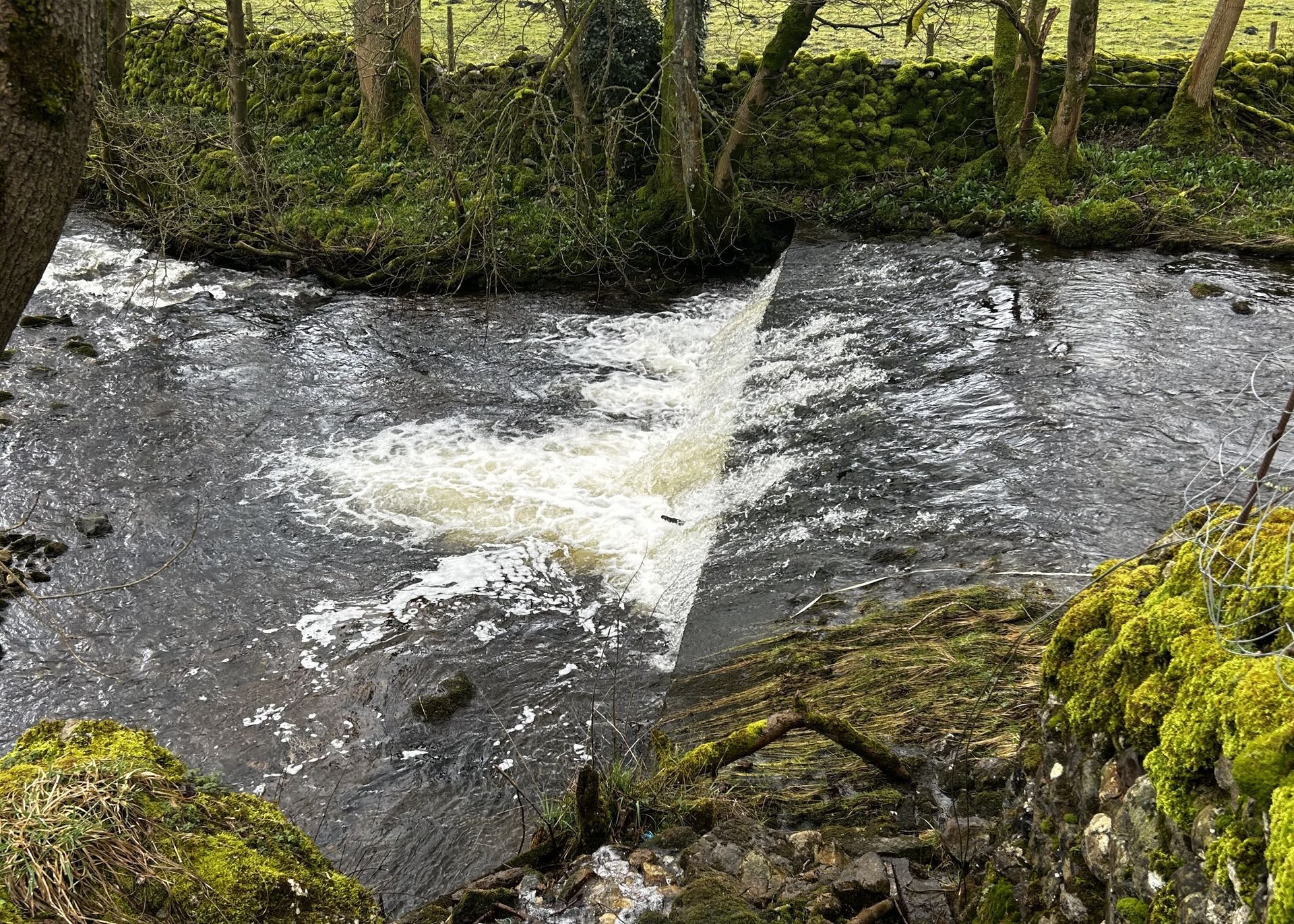
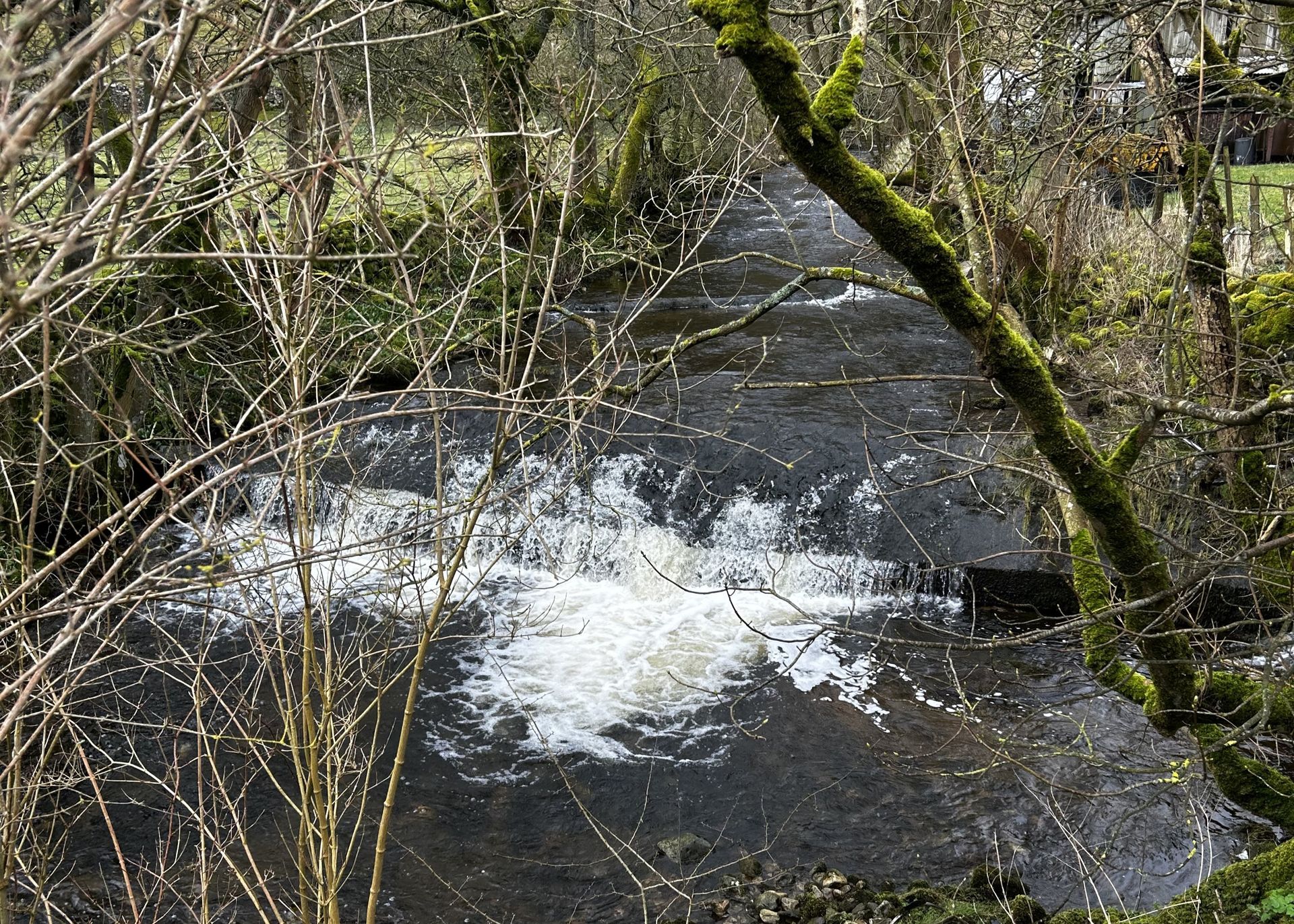
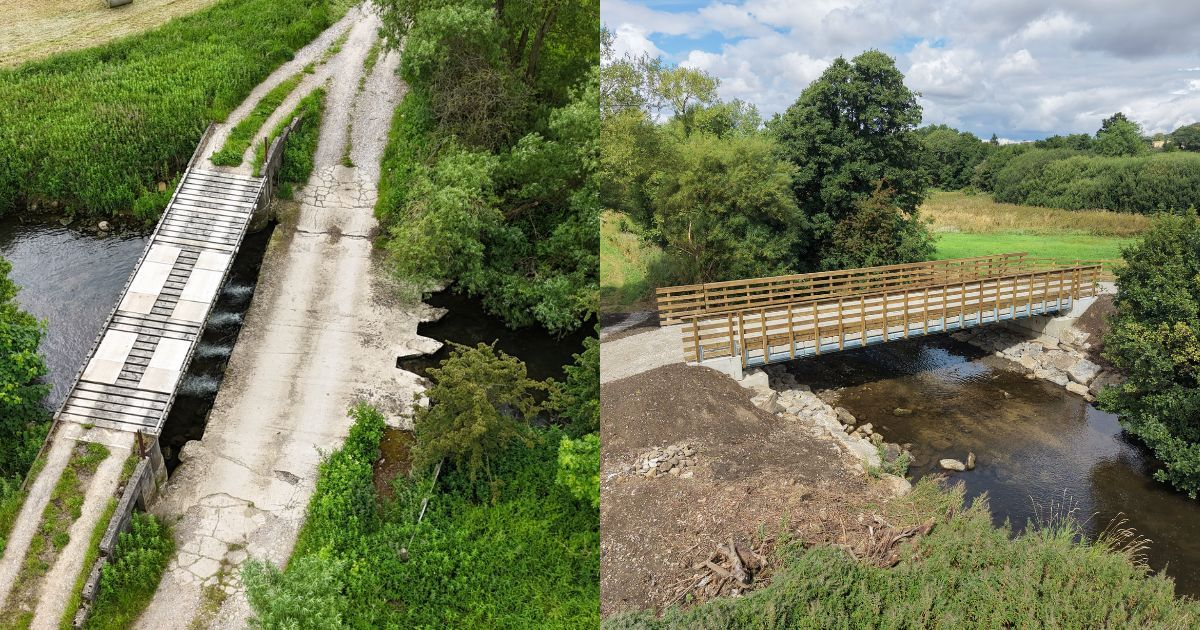
Healthy rivers depend on connectivity. Migratory fish such as salmon rely on being able to migrate upstream to spawn, accessing a variety of habitats throughout their lifecycle. However, man-made structures like weirs, culverts, sluices and fords can interrupt this natural movement. These barriers have also limited habitat for non-migratory fish species too.
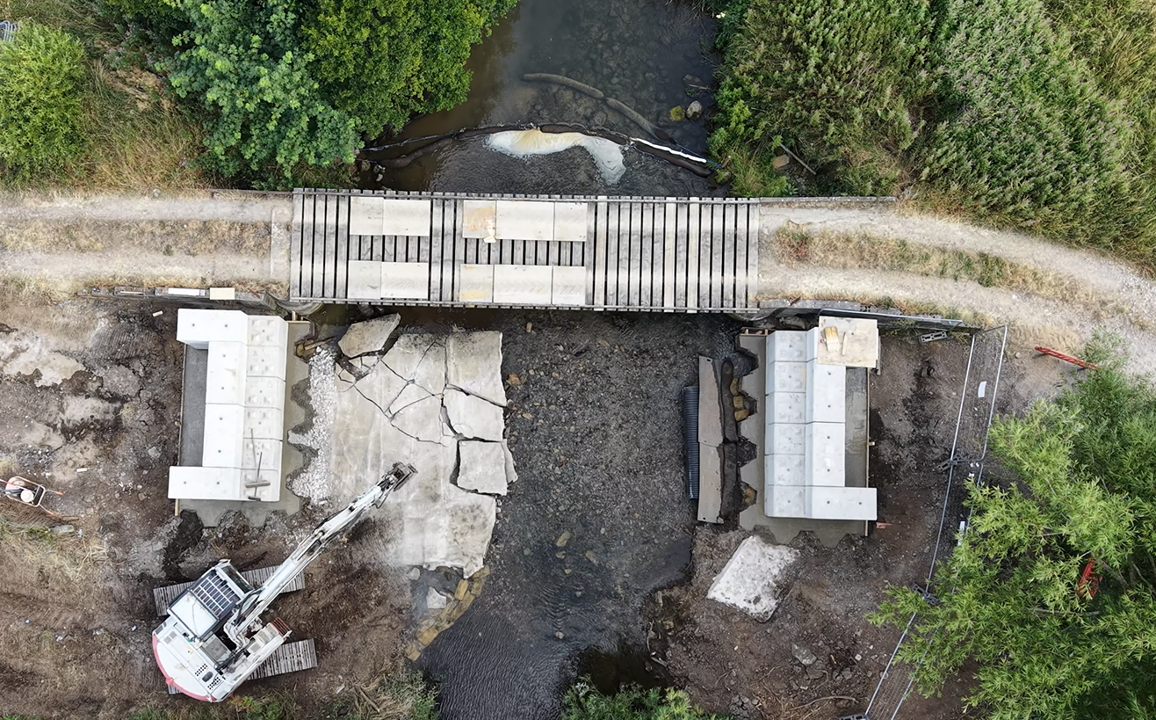
Across the Yorkshire Dales, many of these structures are part of the region’s cultural heritage. Whilst they are valued as part of the local vernacular, they can also have a significant ecological impact. Kate’s role involves carefully assessing whether these barriers should be:
- Left as they are
- Modified or mitigated
- Completely removed
Balancing environmental benefits with wider considerations, such as current barrier purpose, heritage value and flood risk is a key part of Kate’s work.
Surveying the River Wharfe

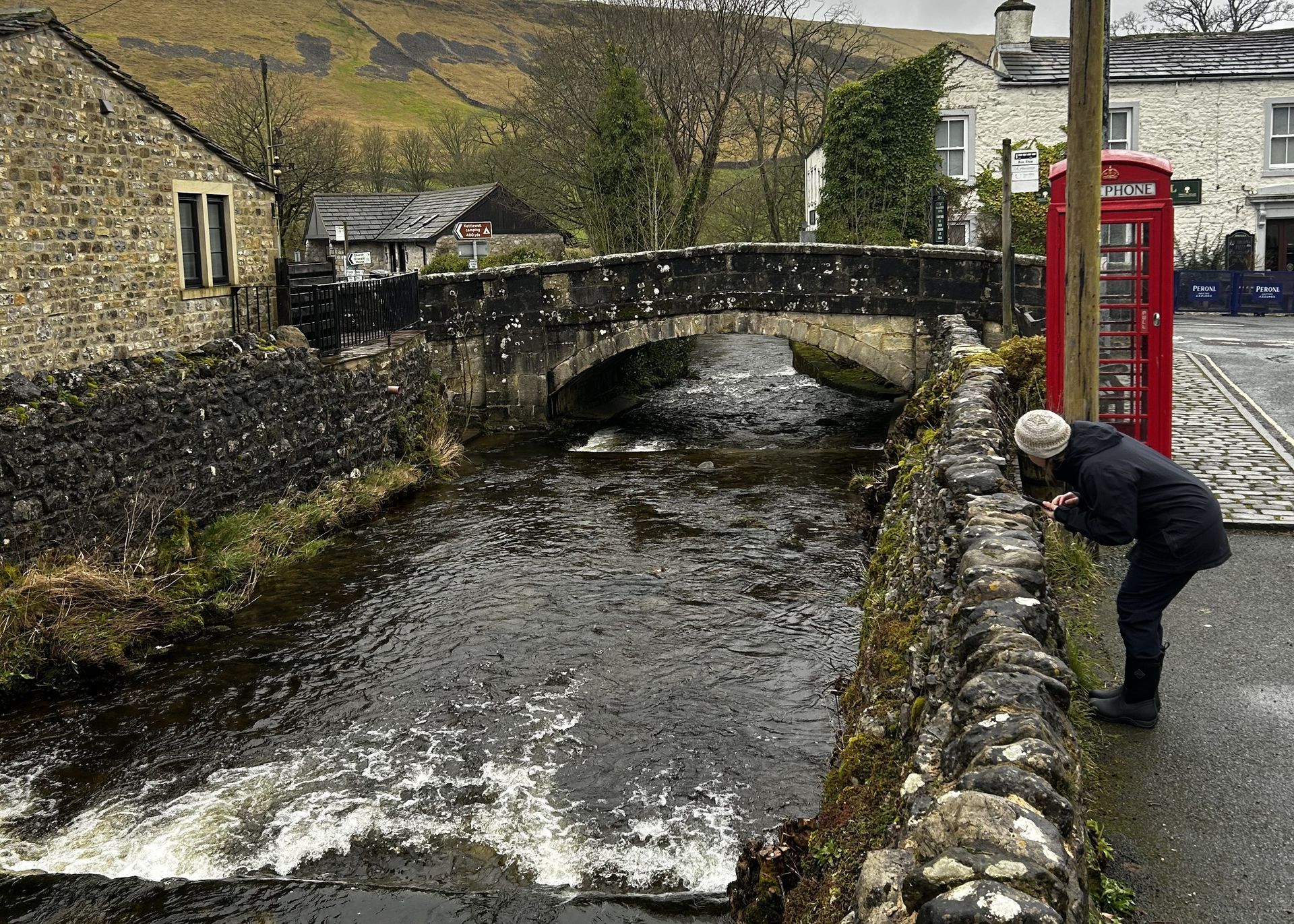
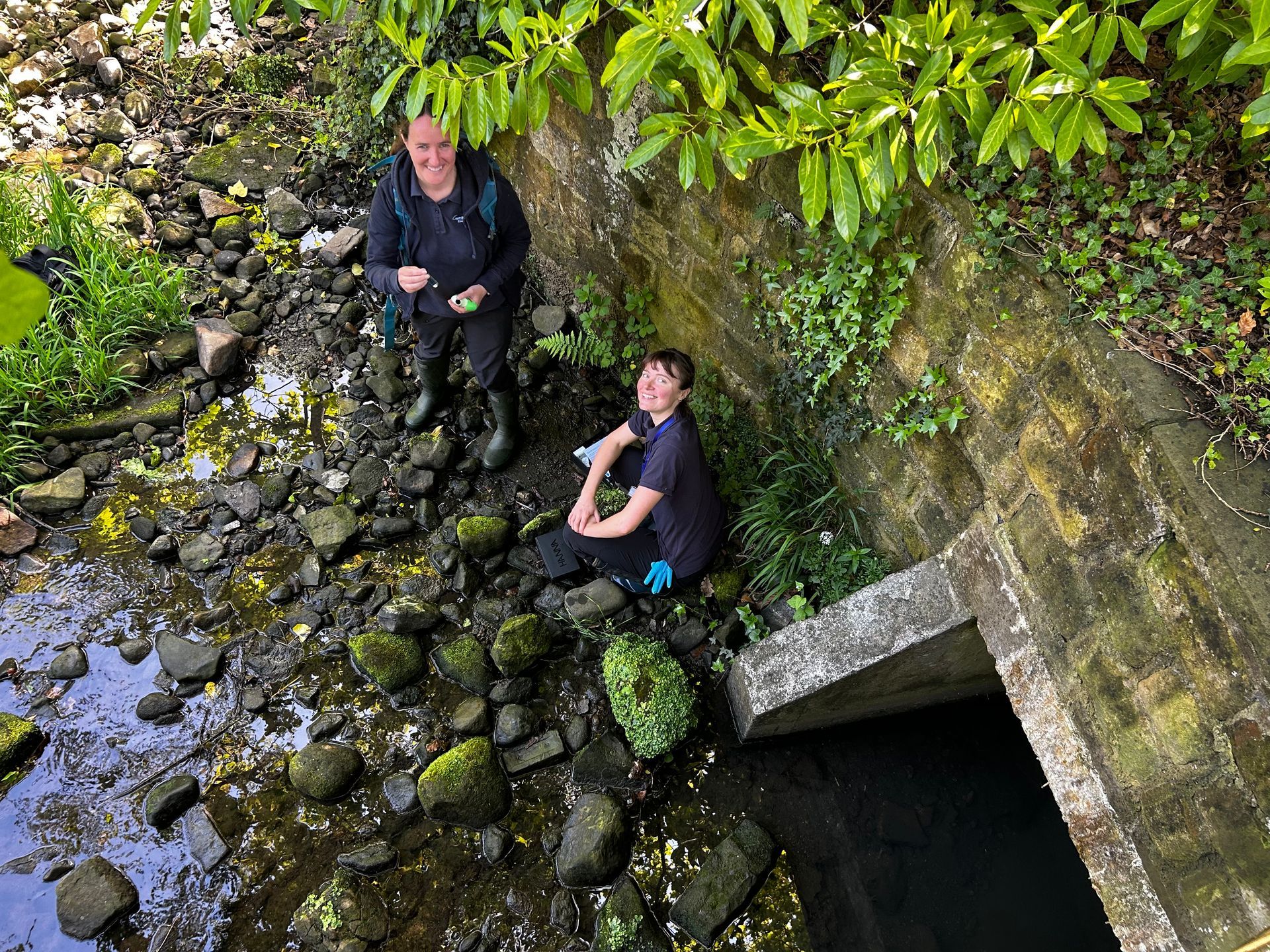
On a windswept morning in March, I joined Kate for a series of initial ‘walkover’ surveys along the upper River Wharfe, near Kettlewell and Buckden.
Over recent months, Kate has been progressing with a dataset of almost 2000 potential barriers within the YDRT catchment. One of her first priorities is to verify this data both as a desk based study and out in the field. This verification will help identify which barriers should be considered further with regards to improvements for fish passage.
The River Wharfe catchment alone contains hundreds of confirmed barriers. Each one is being assessed using a bespoke scoring matrix designed to highlight where interventions could deliver the greatest fish passage benefits while balancing other considerations. Testing this matrix in the field made for a fascinating introduction to the project.
Findings from Kettlewell and Buckden
Kettlewell’s nineteenth-century cotton mill once harnessed the natural gradient of the beck, adding several small weirs. Today, whilst some of these structures may hinder fish migration, they sit alongside natural waterfalls and heavily modified channels. Because of this, and the high cost and complexity of potential mitigation, these barriers were assessed as low priority.
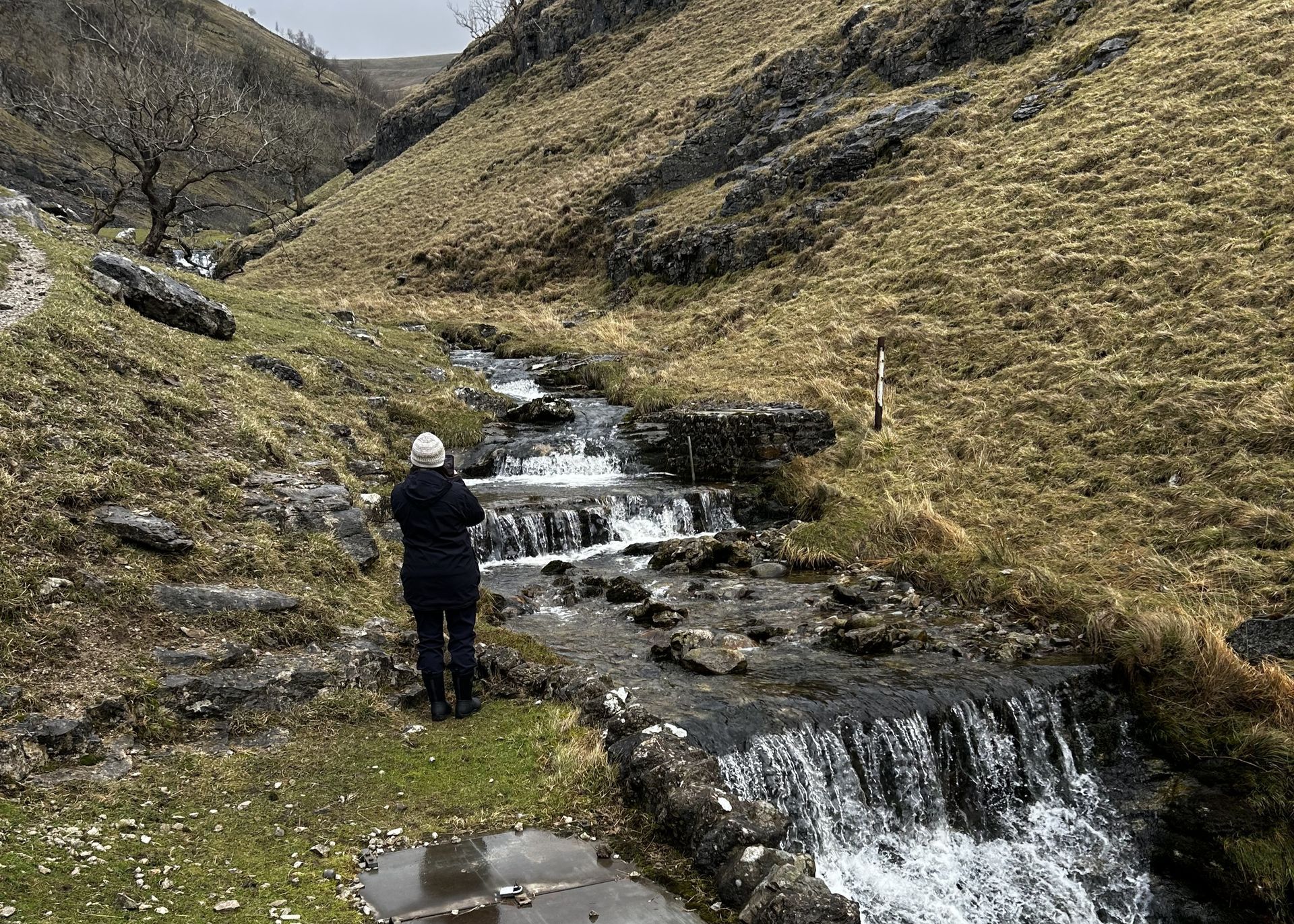
Similarly, the weir within Buckden Beck, located east of the Buck Inn on the footpath to Kettlewell, was also considered low priority, forming an additional step within a striking series of waterfalls, limiting the benefit that intervention would provide.
Looking Ahead

As this project progresses it will be exciting to see which barriers are prioritised for removal or modification. Each successful intervention has the potential to reconnect habitats and support the return of fish to areas they may not have reached for centuries.
As part of the wider Great Yorkshire Rivers partnership, this project represents a significant step in improving river health in the Yorkshire Dales, and I look forward to sharing updates as it develops.