Rainwater or Wastewater? The Importance of Outfall Surveys
What are combined sewer outfalls?

With growing concern around sewage pollution in UK rivers, identifying misconnected drains and polluted surface water outfalls has become increasingly important in protecting our local waterways and wildlife.
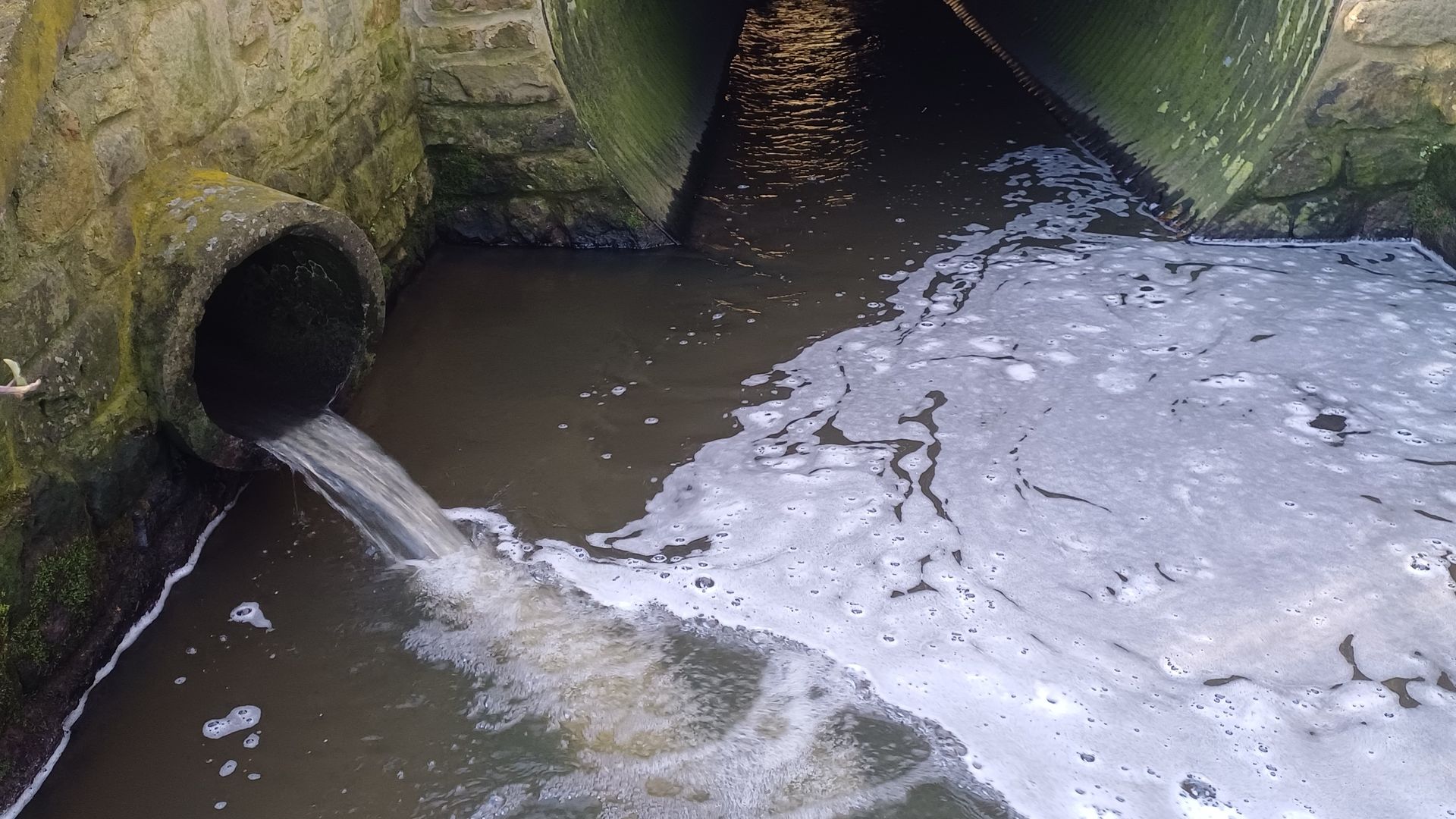
Combined sewer outfalls (CSOs) are part of the UK’s drainage infrastructure and are designed to manage excess surface water from our roads and pavements during periods of heavy rainfall and re-direct rainwater away to nearby rivers to prevent flooding in towns.
Yet, due to our old, complex sewage system, misconnections exist − connecting polluting wastewater and sewage to the surface water drainage system.
Why are outfall surveys important?

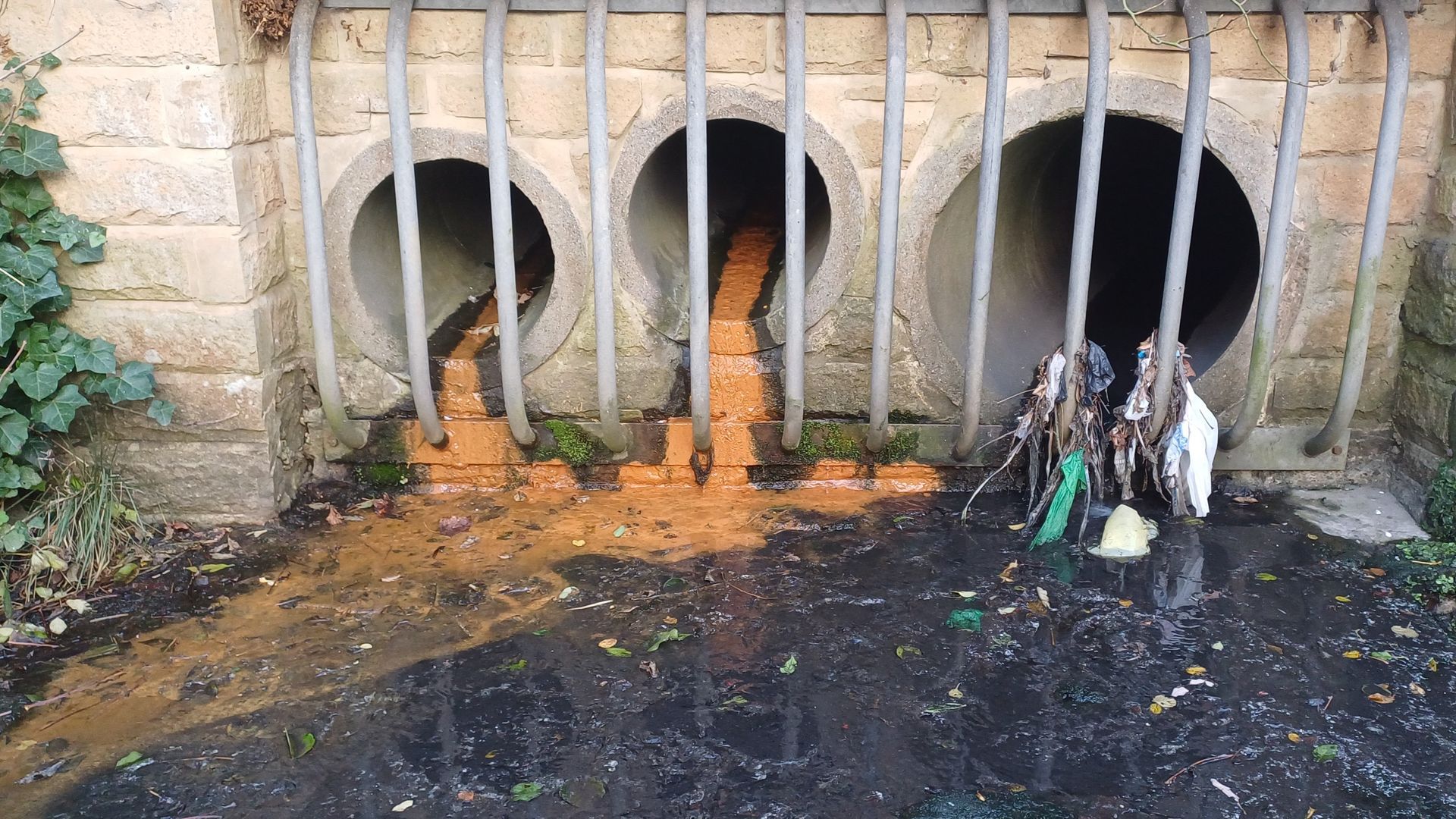
When household appliances, extensions and even new housing developments are incorrectly connected to surface water drains instead of the foul sewer network, untreated wastewater, detergents, cleaning chemicals and sewage directly enters rivers and streams.
With funding now available to help Rivers Trusts like ours carry out detailed outfall surveys we are able to assess and map polluted outfalls in key areas to identify errors and potential pollution sources.
Surveying Crimple Beck in Harrogate

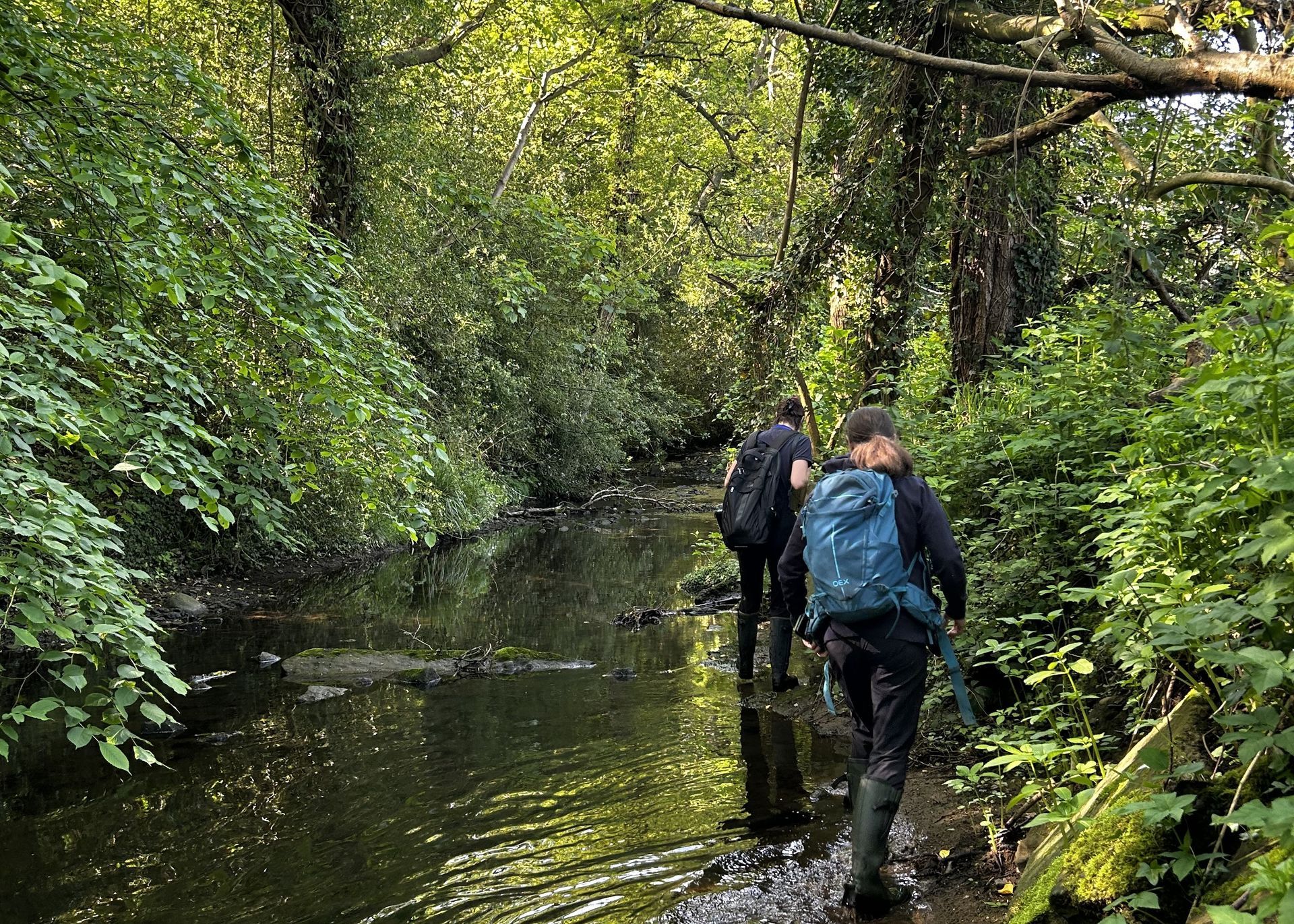
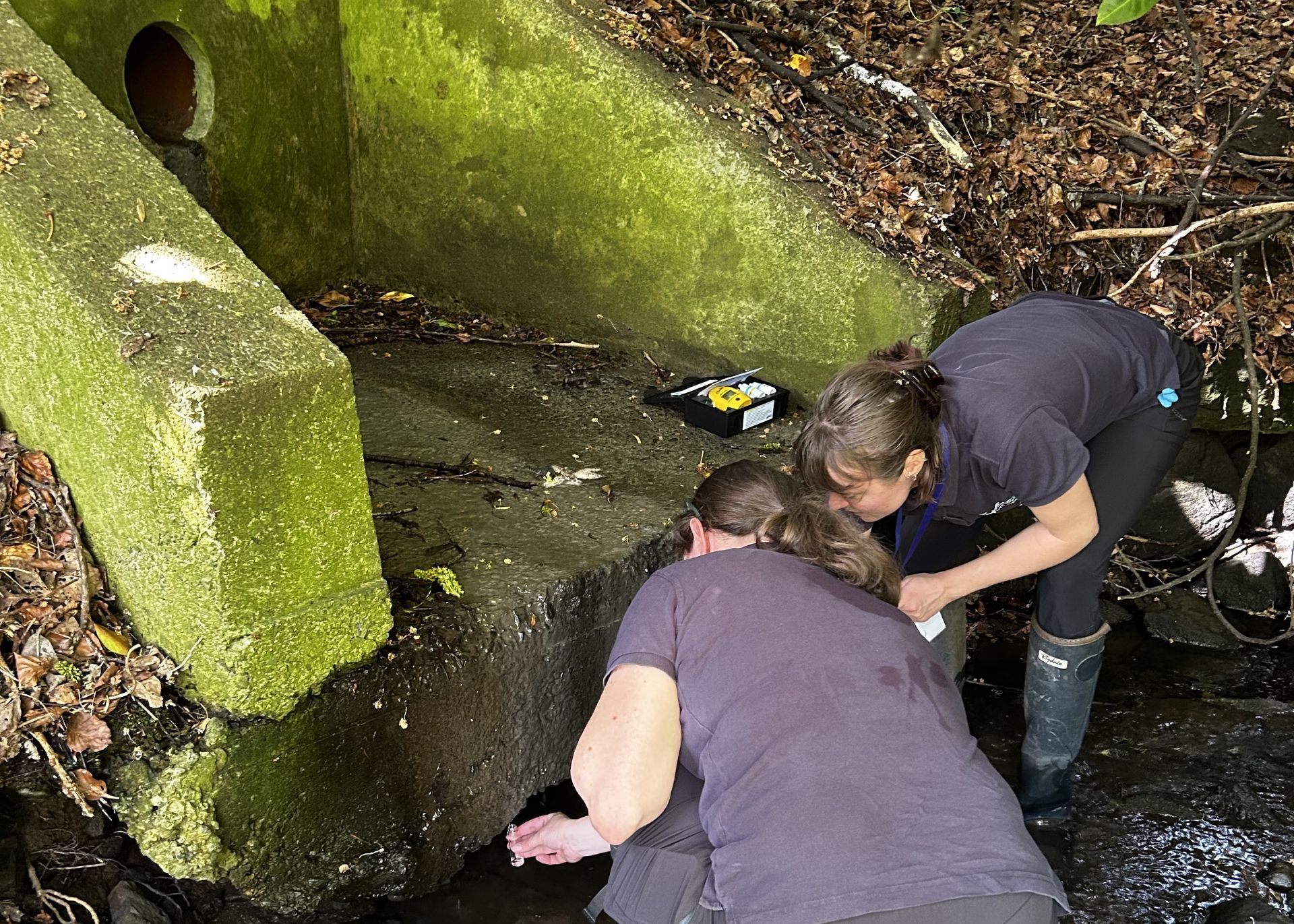
To better understand how we carry out outfall mapping, our Communications and Marketing Officer, Victoria Benn joined Jennifer Lee, YDRT’s Volunteering and Engagement Officer, and Project Manager, Sarah Lonsdale to survey more than 20 outfalls along Crimple Beck in Harrogate, a tributary of the River Nidd.
Equipped with mapping software, water testing kits, wellies, and protective gloves, the team spent the day locating and testing outfalls for visible and chemical signs of pollution.
Whilst trained volunteers often support this work, the number of outfalls located on private land and in heavily built up, residential zones in this area meant it was more appropriate for this particular survey to be undertaken by Yorkshire Dales Rivers Trust staff – but do email volunteering@ydrt.co.uk if you would like to take responsibility for surveying a stretch of stream or river close to you!
How outfall monitoring works

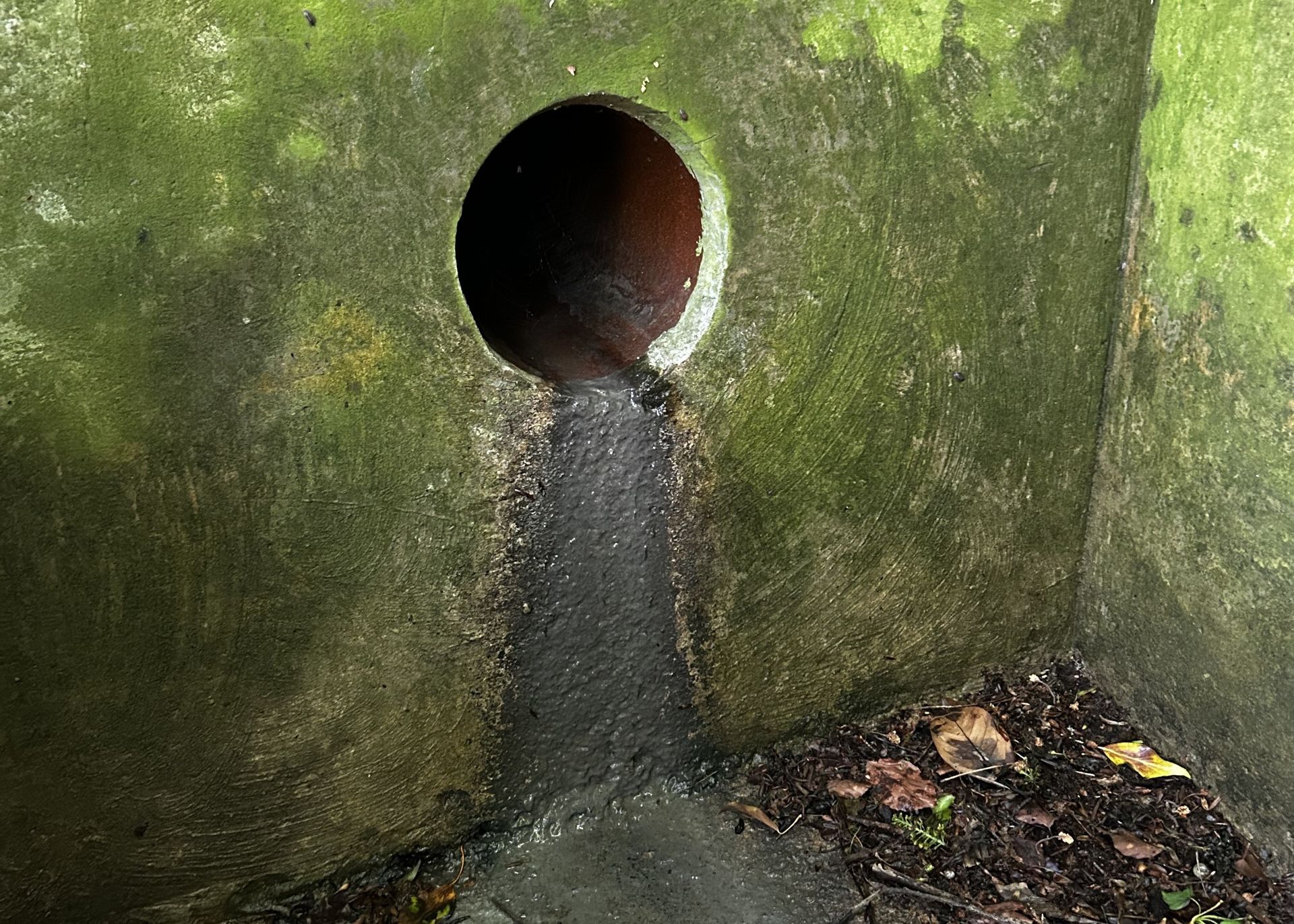
Outfall surveys can only be carried out during dry weather conditions − usually after at least 24 hours without rainfall. This is because surface water outfalls should only discharge during wet weather. If water is still flowing during dry conditions, it may indicate a pollution issue or wastewater misconnection requiring further investigation.
Locating outfalls can involve navigating overgrown sections of riverbank, and traversing up the actual riverbed itself. Once identified, visual signs such as sewage fungus, discoloured water, or excessive algal growth can indicate an elevated nutrient content, which often signifies pollution.
Testing river water quality

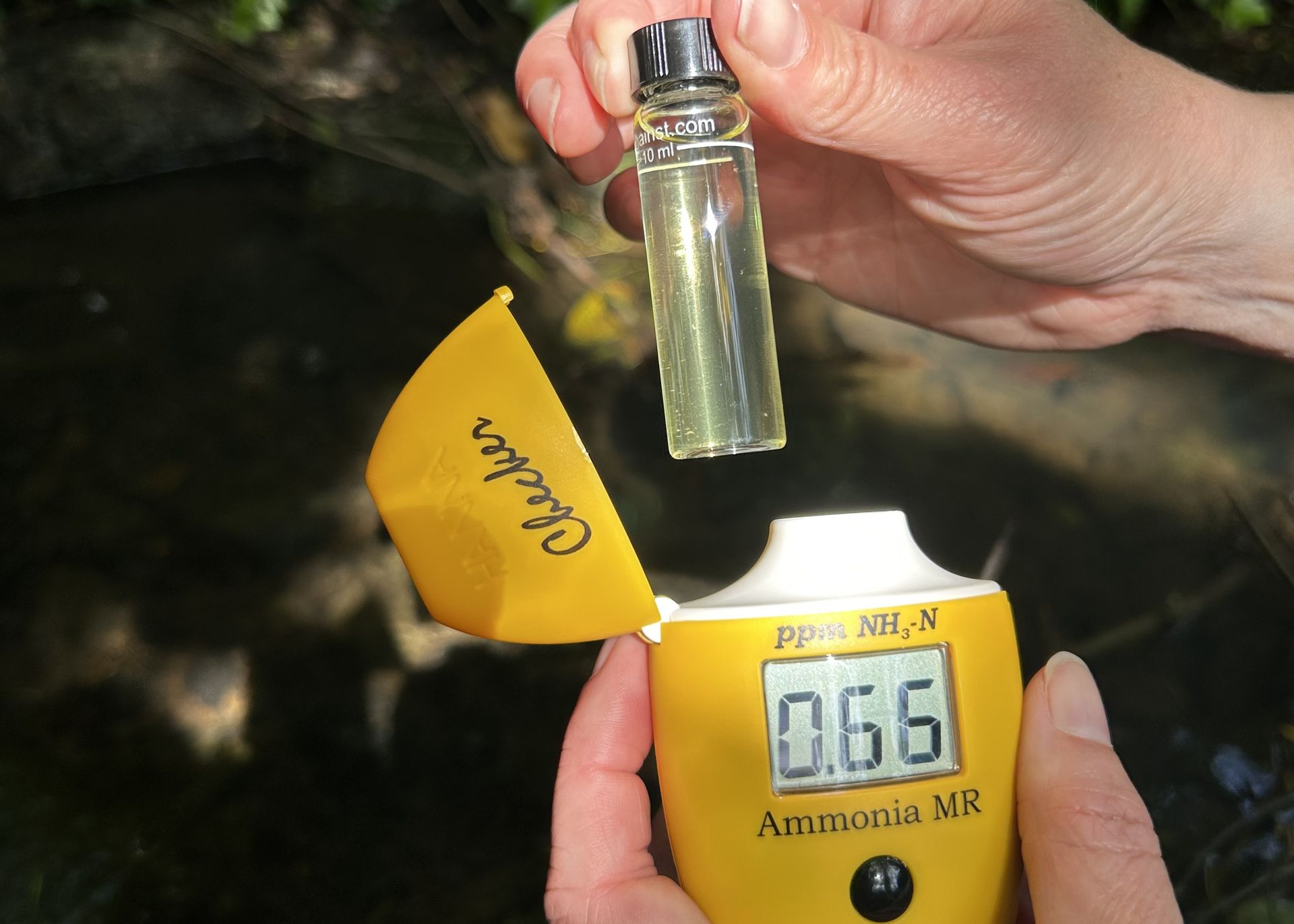
Water samples are collected directly from flowing outfalls and tested on site for phosphate and ammonia − two key indicators of water pollution.
High phosphate readings can suggest the presence of household detergents from appliances such as washing machines, whilst ammonia can indicate sewage contamination.
A handheld testing meter provides precise readings; using a colorimeter, reagents mixed with a sample change colour depending on the concentration of either ammonia or phosphate (the deeper the colour, the higher the concentration). For example:
- A blue colour change indicates high phosphate levels, often associated with household cleaning products.
- A yellow colour change indicates the presence of faecal contamination.
Results are then uploaded directly to Yorkshire Water’s reporting system, allowing any polluted outfalls to be immediately flagged for further investigation.
Where issues are identified, resolution can involve tracing the source of contamination using techniques such as dye testing or targeted investigations at suspected connection points. This work is often complex, time-consuming, and costly, but essential for protecting river health.
Protecting rivers from pollution

Pollution from wastewater and misconnections can significantly damage river ecosystems.
Excessive nutrients reduces oxygen levels in rivers, harming fish and aquatic wildlife.
High phosphate and nitrate levels can also trigger algal blooms, which further reduce oxygen as they decompose. Concentrations of over 0.5mg/l are considered elevated. Ammonia is also highly toxic to aquatic life, particularly in concentrations exceeding 2.0mg/l.
Untreated sewage can additionally introduce bacteria, pharmaceuticals, and harmful chemicals into waterways, affecting both environmental and public health.
Although identifying and resolving misconnections can be complex and expensive, outfall surveys are a vital tool in improving river water quality and protecting rivers across the region for future generations.
We also have a reel of the team in action conducting an outfall survey – head over to our YouTube channel to learn more.