
Improving Soil Resilience - by Heather Challis

29 September 2026

The importance of healthy soils

Belted Galloway cattle walking across a field with fields and trees in the background.

With dryer summers and warmer, wetter winters now predictable and prevalent, building resilience into soils is key for both farm productivity and river health.

Wet winters leave soils waterlogged and vulnerable to compaction, whilst dry summers make it harder for water and nutrients to move through the soil profile. The results of this is poorer drainage, reduced nutrient availability, weaker root growth and – ultimately, lower yields.

I know this first hand, as in addition to my role at Yorkshire Dales Rivers Trust I also manage a sheep and beef cattle farm in Nidderdale.

Why does soil compaction matter?

Compacted soil with evidence of oxidisation as a result of water logging.

Compacted soil has fewer spaces for air and water to move through it, which restricts root growth, forcing roots sideways rather than downwards, in search of water and nutrients.

This is particularly important during dry weather, as if roots can't penetrate deeper into the soil, grass has less access to the moisture stored further down the soil profile.

Good soil aeration helps restore the movement of air and water. It also provides better conditions for roots and the wider community of soil organisms that contribute to healthy soils, which also helps make grassland more resilient during periods of drought.

Turning soil science into farm benefits

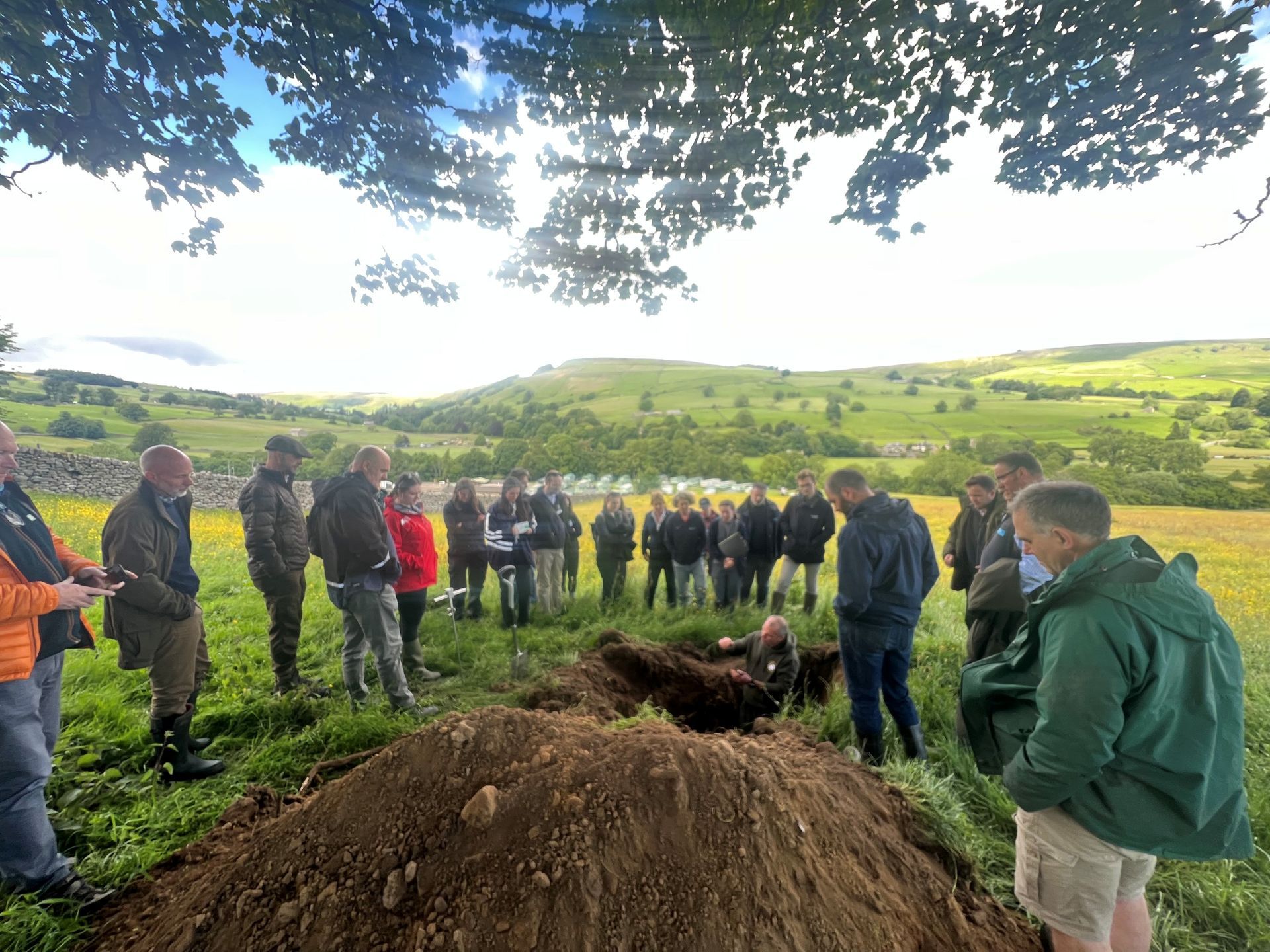
Man stood in a hole in a field surrounded by an audience and talking about soil.

I recently held two successful soil aeration events in the Wharfe and Nidd catchments, as part of a wider programme of events across The Calder, Aire, East Yorkshire and the Don catchment.

The events featured renowned soil expert Charlie Morgan, who helped translate the science of soil health into practical benefits for farm businesses.

One of his key messages was that healthier, better-structured soils can help farmers keep livestock grazing outside for longer.

Keeping cattle housed comes at a significant cost. At around £5 per head per day for dairy cattle and £3 per head per day for beef cattle, even a small extension to the grazing season can make a substantial difference to profit margins.

For example, extending grazing by two weeks at either end of the normal grazing period could mean an additional 28 days outside. For a 100-cow dairy herd, that's potentially 2,800 additional cow-days at grass.

*Actual savings will depend on the farm system, forage availability, weather and other costs.

Getting the basics right: pH matters

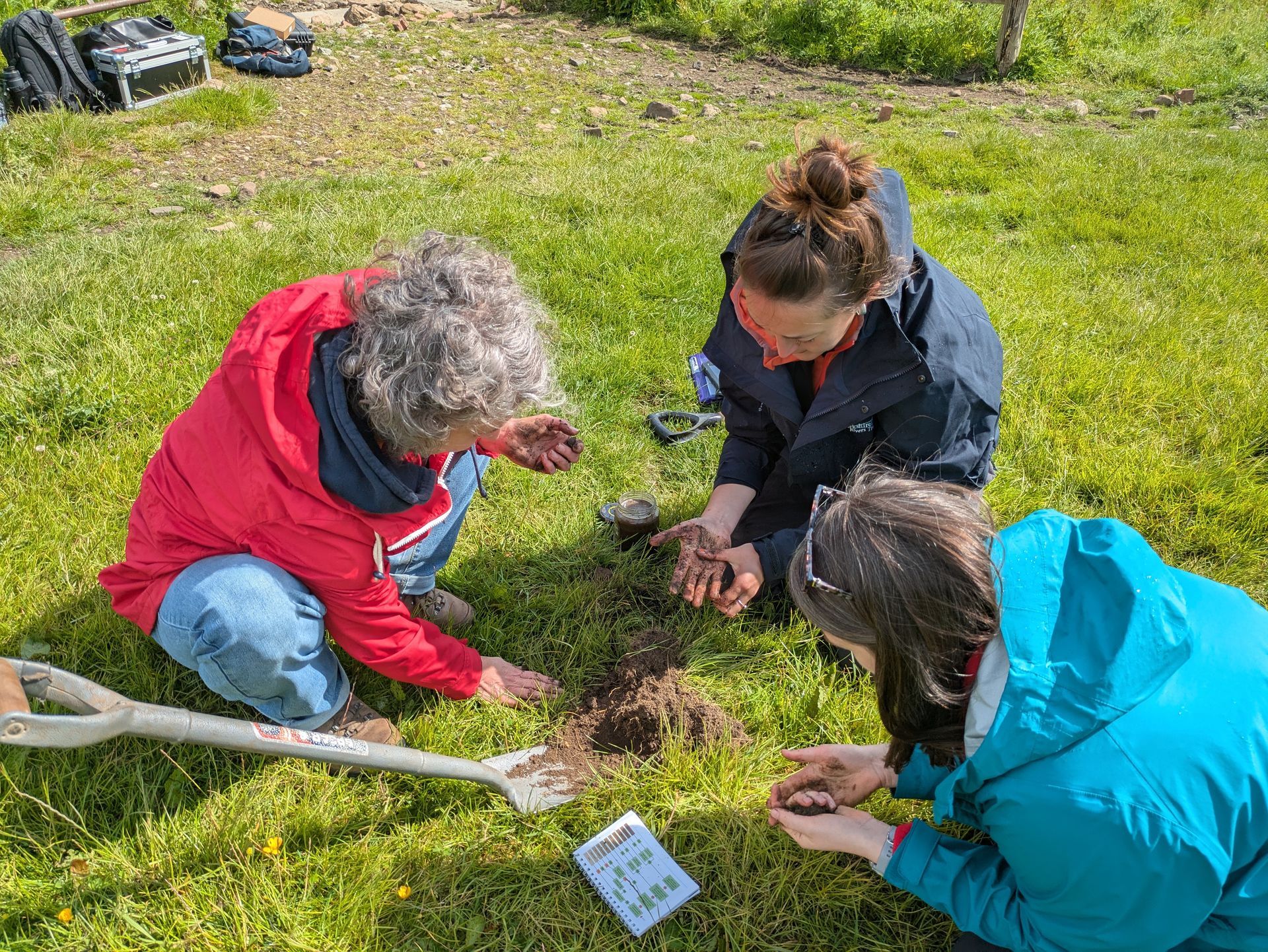
Three women analysing soil in a field.

Aeration is only part of the picture. Charlie also highlighted the importance of maintaining the right soil pH.

For grassland, a pH of around 6.5 is generally the target. If soils are too acidic, plants can struggle to access essential nutrients including nitrogen, phosphorus and potassium.

Applying lime where appropriate can help raise soil pH and improve nutrient availability. Good soil structure and the right pH need to work together though − there is little benefit in improving root access if plants cannot efficiently take up the nutrients they need.

Building drought resilience with deeper roots

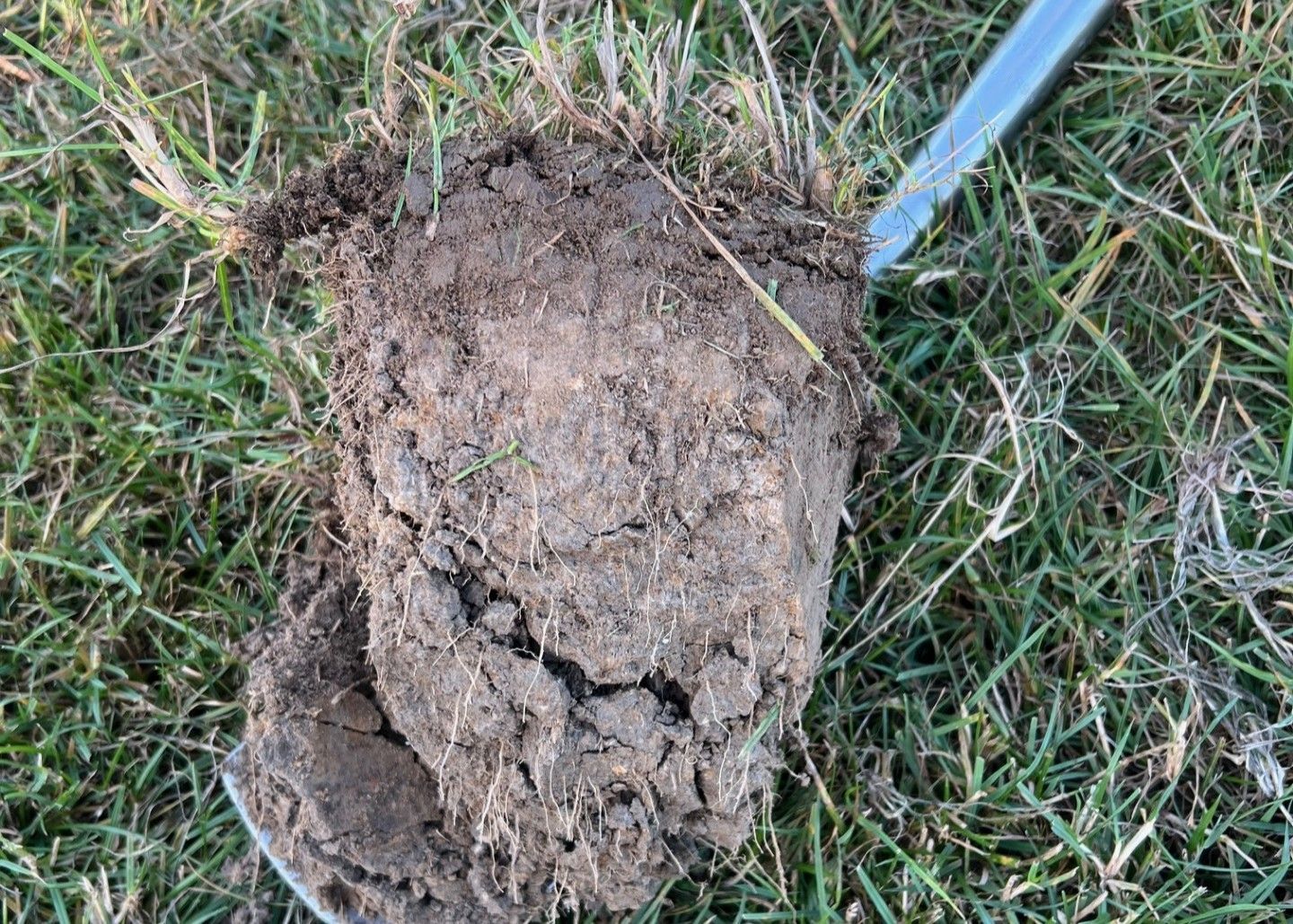
A sod of aerated soil with grasses with deep roots.

The plants growing also play an important role in improving soil resilience. Herbal leys include deeper-rooting species such as chicory, lucerne and sainfoin access moisture and nutrients deeper in the soil profile than many shallow-rooted species, helping grassland remain productive during dry periods.

Deeper roots can also contribute organic matter and carbon to the soil, supporting soil structure which also helps soils hold more water.


Don't forget soil biology!

Healthy soil isn't just about its physical structure − soil biology is essential too.

Earthworms, fungi and other organisms support soil structure, nutrient recycling and plant growth. Aerating compacted soils can create better conditions for this biology to thrive by improving the oxygenation of soil.

Aeration in action

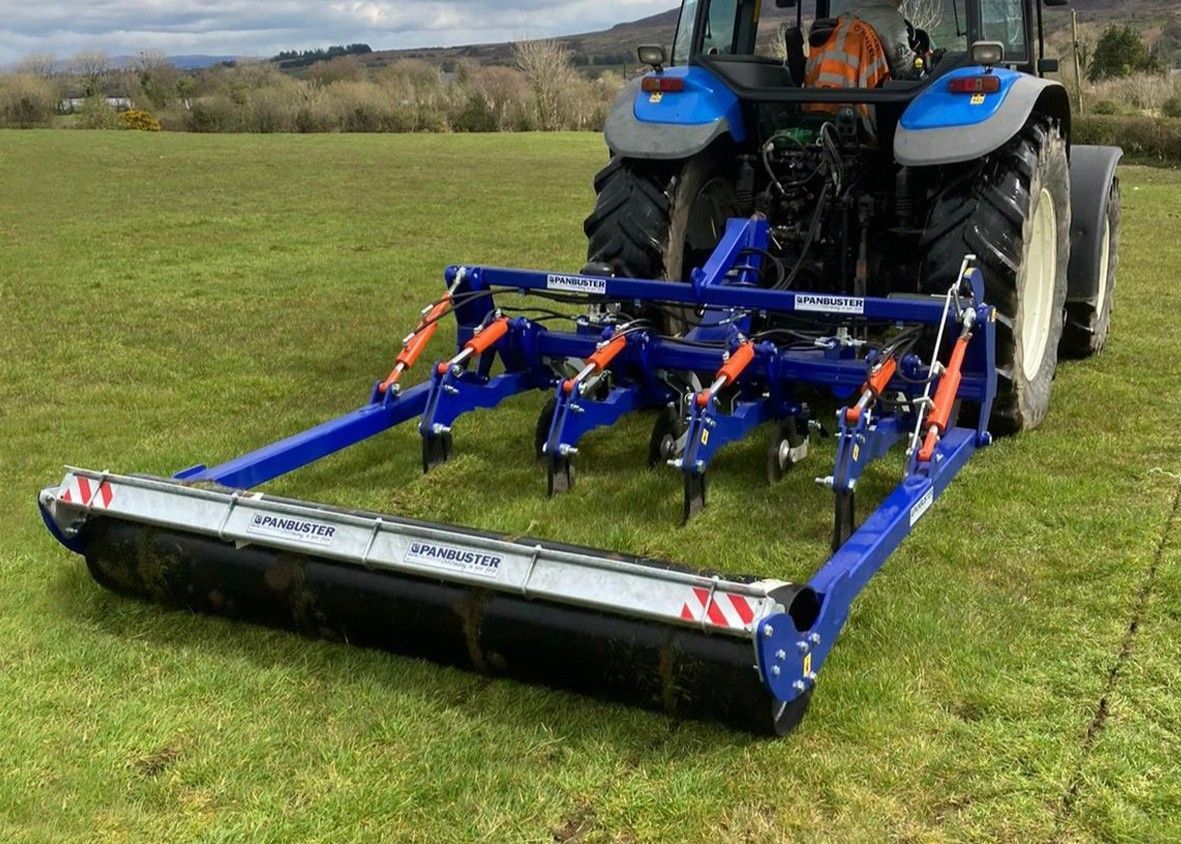
A tractor pulling the panbuster to break up the pans deep in the soil.

Our events also offered farmers the opportunity to see different aeration machinery working in the field.

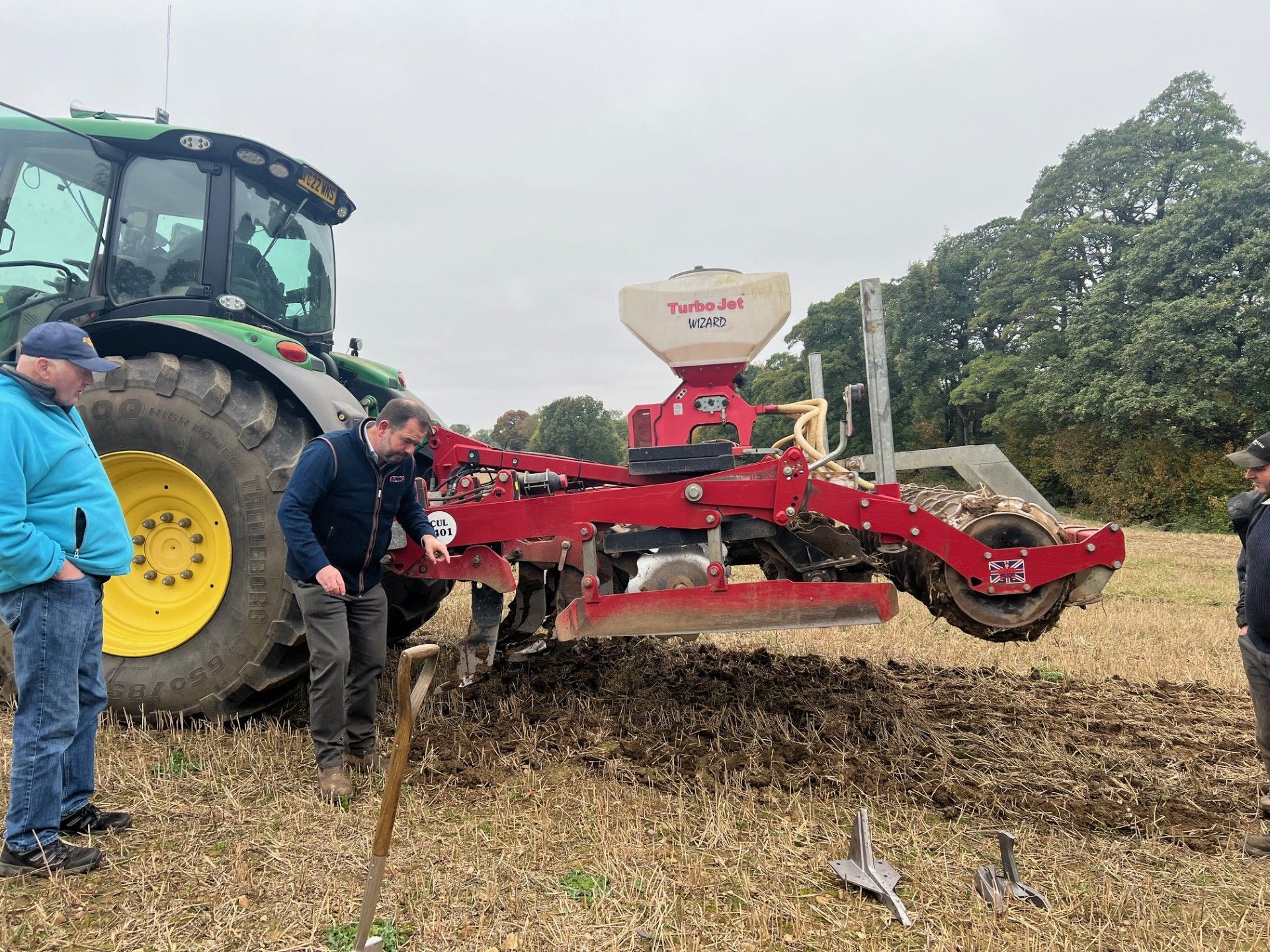
Aerworx demonstrated its aerator which operates at speed − around 17–20 km/h. This machine creates a shattering effect through the soil, helping compacted ground to crumble and open up.

The Panbuster from Agri-Supply works on a similar principle but at a slower speed, using three legs to penetrate the soil and break up compacted pans, i.e. the dense layers within a soil profile that can restrict the movement of roots, air and water.

Both machines were showcased on a very dry, compacted field with subsequent improvements to the soil structure clearly visible.

Benefits of well-aerated soil

A tractor pulling the aerworx aerator to break up the pans deep in the soil.

In a nutshell, improving soil aeration brings the following benefits:


  • Improved drainage and structure
  • Improved movement of air and water
  • Improved nutrient availability, supporting stronger root growth when soil pH is appropriate
  • Increased soil biology, including earthworms and beneficial fungi
  • Deeper, stronger root growth, helping plants access water during dry periods
  • Greater resilience to drought
  • Longer grazing periods, potentially reducing the amount of time livestock need to be housed


Missed the event?

Even if you missed our soil aeration events, I can still help you identify opportunities to improve soil health, farm resilience and environmental outcomes for your farm.

There may also be opportunities for further support through relevant funding and grant schemes.


Get in touch with me at: heather.challis@ydrt.co.uk to find out more and/or arrange your free farm sustainability review.

You can also follow our bespoke farming Facebook page: Roots Returns Farmers Group

by Victoria Benn • 23 September 2026
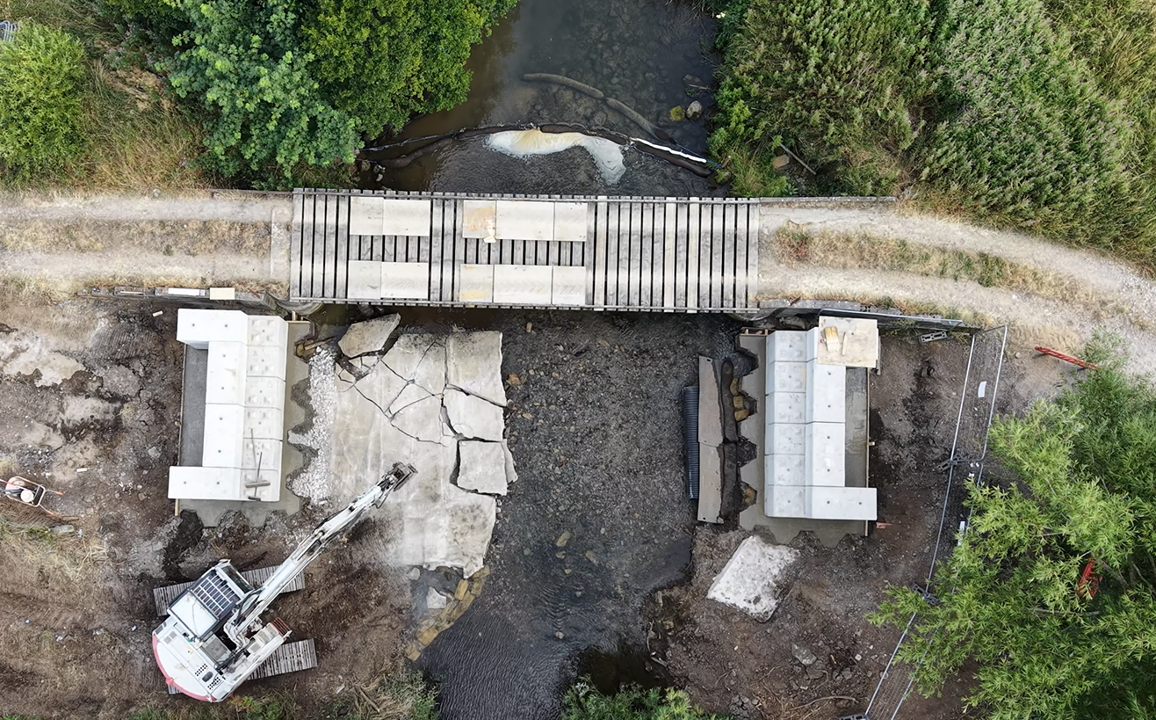
A stream struggling to recover
by Victoria Benn • 6 September 2026
Read our latest update here!
by Victoria Benn • 2 September 2026
What are combined sewer outfalls?
by Victoria Benn • 31 July 2026
Read our latest update here!
by Victoria Benn • 24 July 2026
Where else can you find ‘beaver-nibbled wood chips’ displayed alongside 3D models of crayfish, stunning artwork, and colourful bunting created by local primary school children?
by Victoria Benn • 13 July 2026
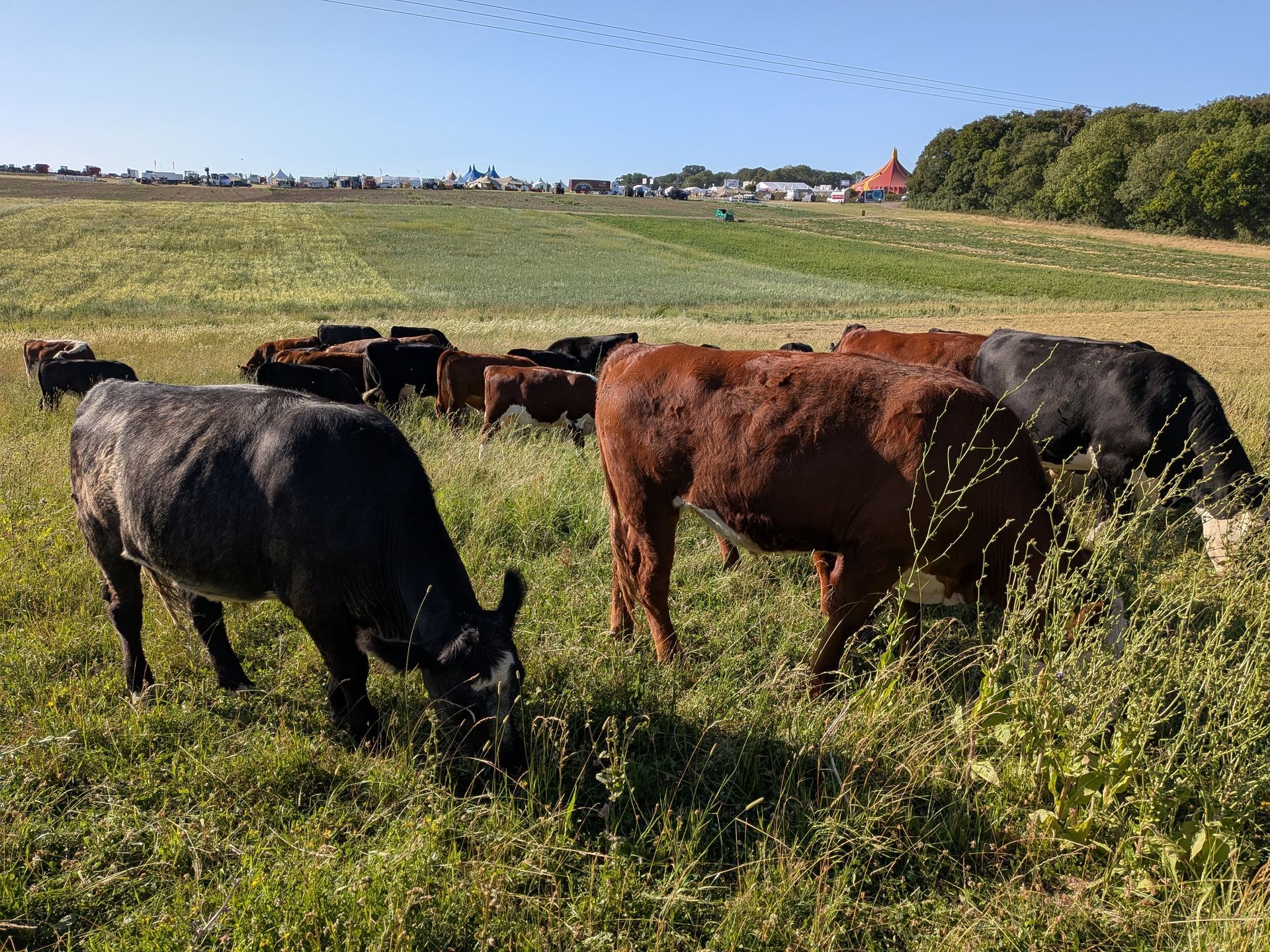
Groundswell is a regenerative agriculture event hosted by farmers, for farmers – all taking place on a farm!
by Victoria Benn • 10 July 2026
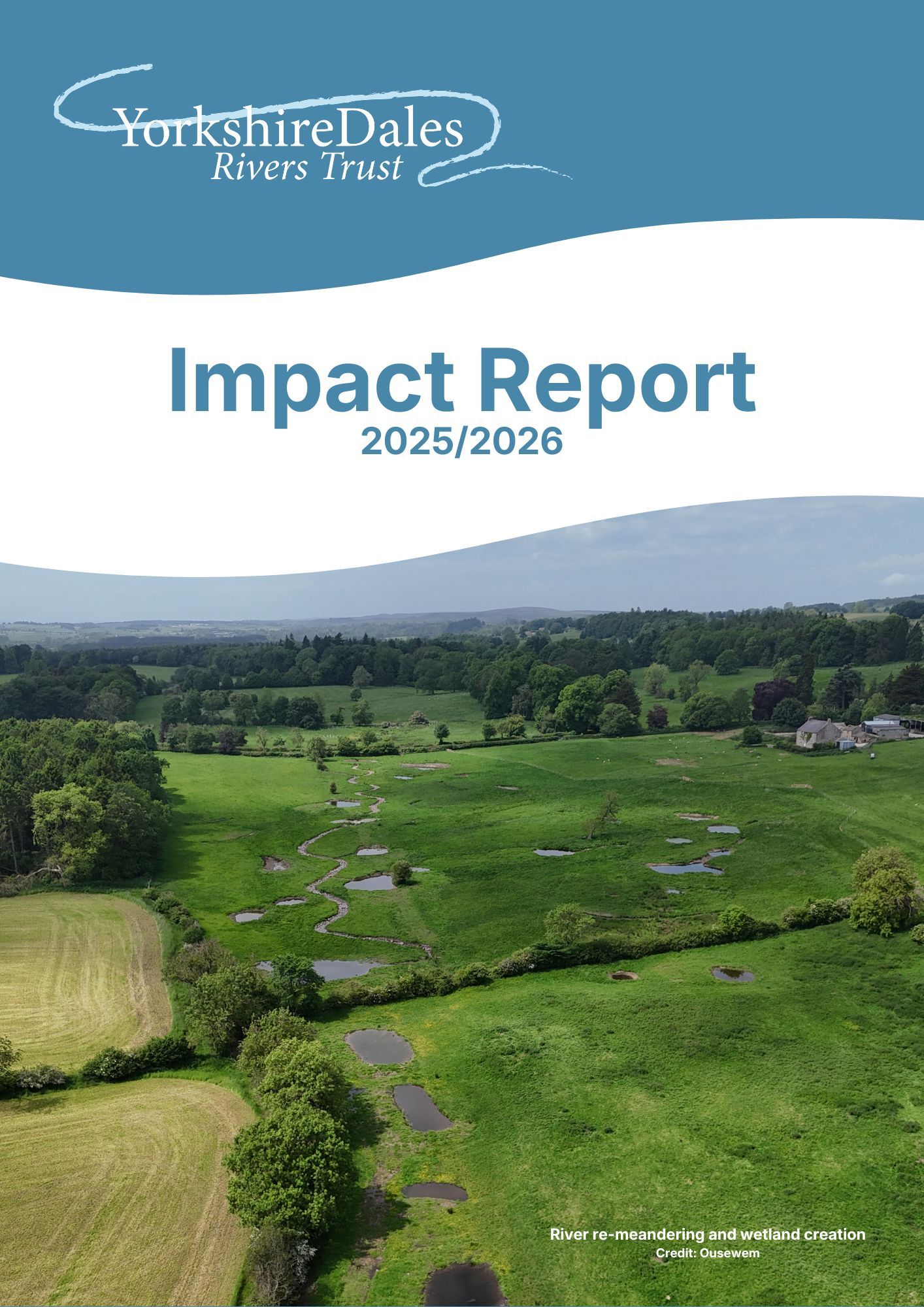
Want to know what we've achieved in the last year?
by Victoria Benn • 10 July 2026
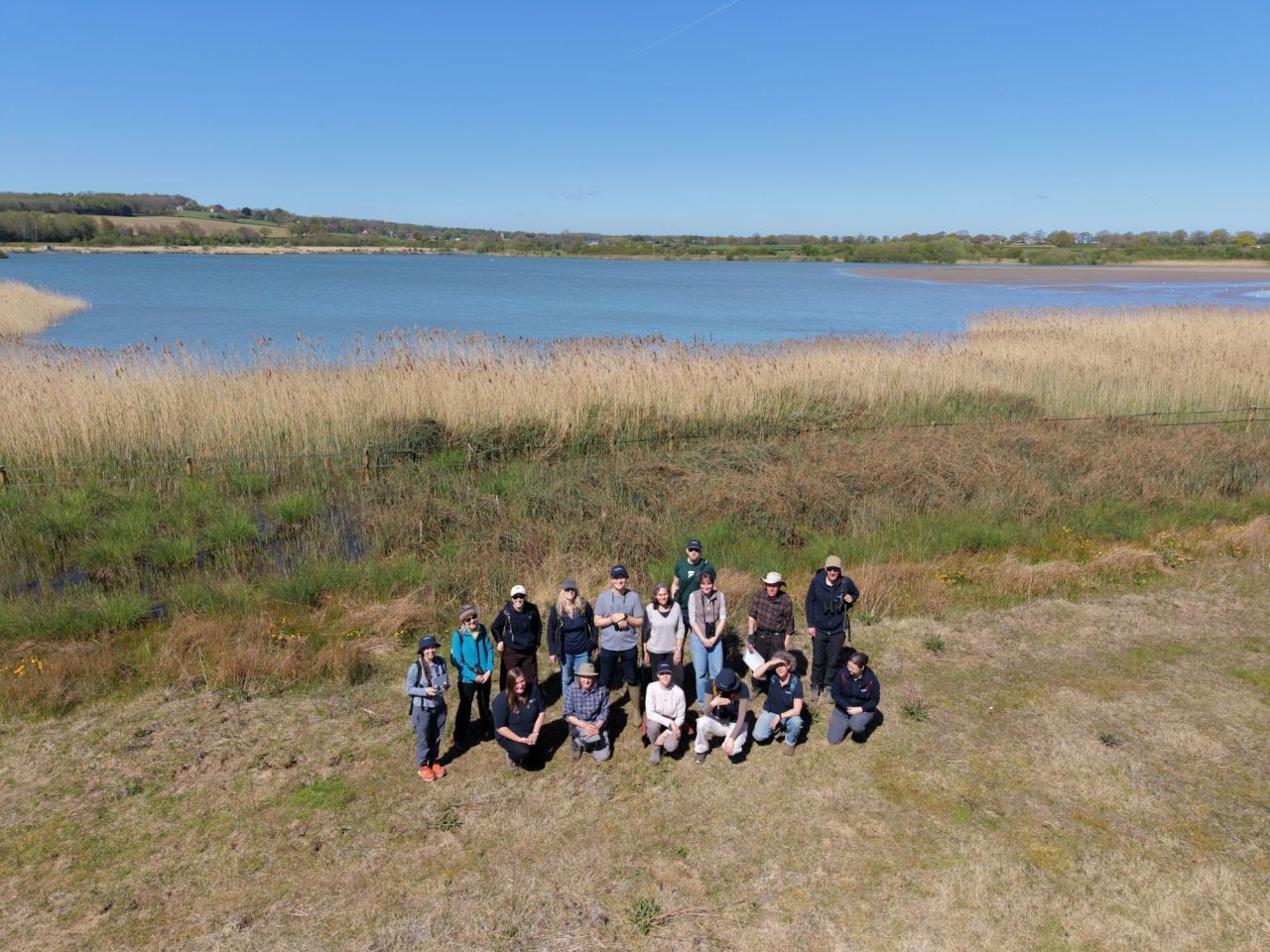
We are now seeking a new Treasurer Trustee

by Victoria Benn • 3 July 2026
This year’s Open Day literally had something for everyone...

by Victoria Benn • 1 June 2026
Discover the Rivers4Life Exhibition
Show More