Skeeby Beck – A River Reconnected – by Sarah Lonsdale
A stream struggling to recover

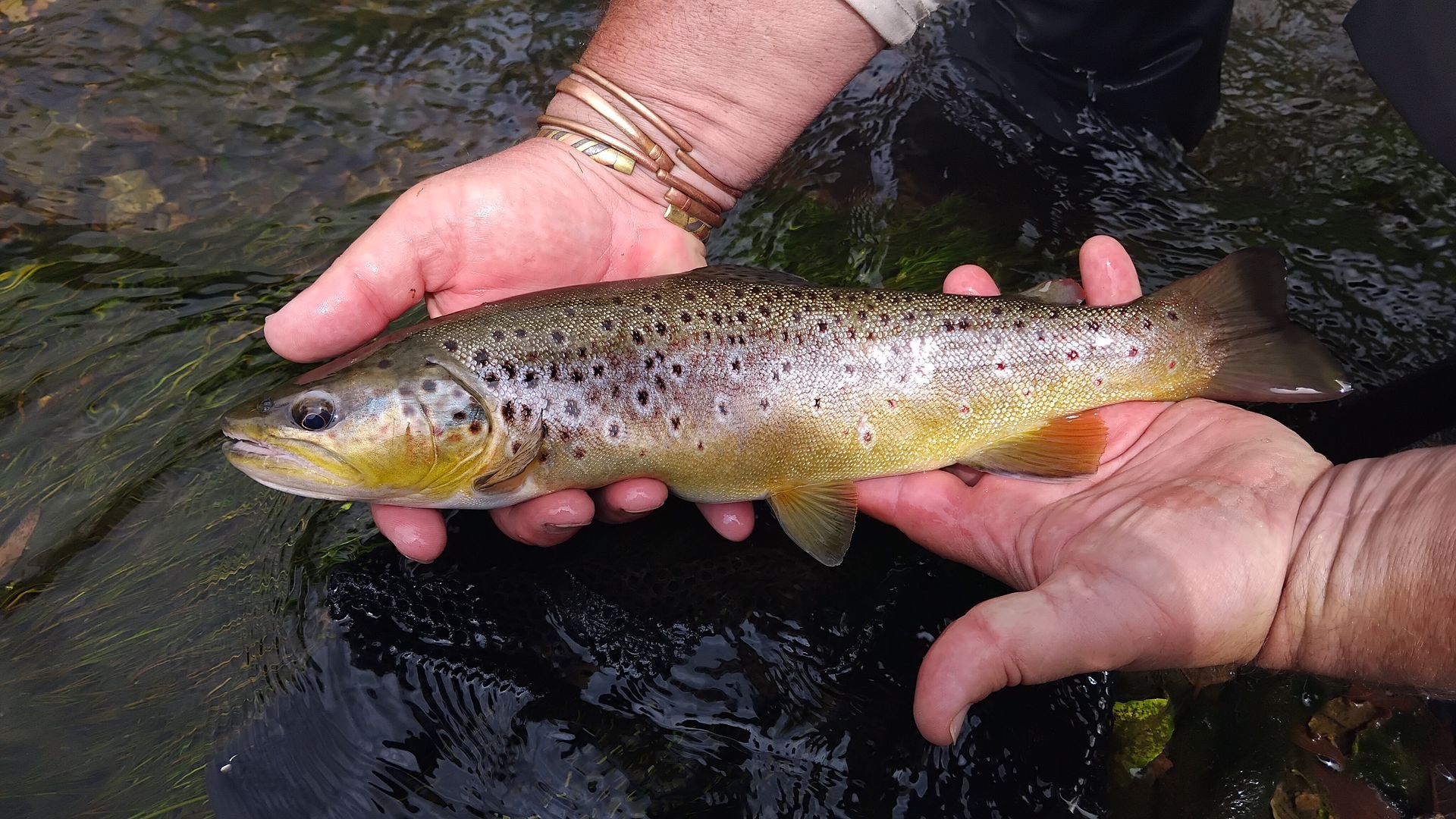
A major pollution incident arising from the release of farm slurry into a watercourse in 2023, killing hundreds of fish and other river wildlife led to my involvement in this rewarding project.
The first step was to understand the full impact of this on the stream. With support from the Wild Trout Trust, we used electro-fishing surveys to monitor the affected stretch of Skeeby Beck, which runs through Gilling West and Skeeby, above Richmond.
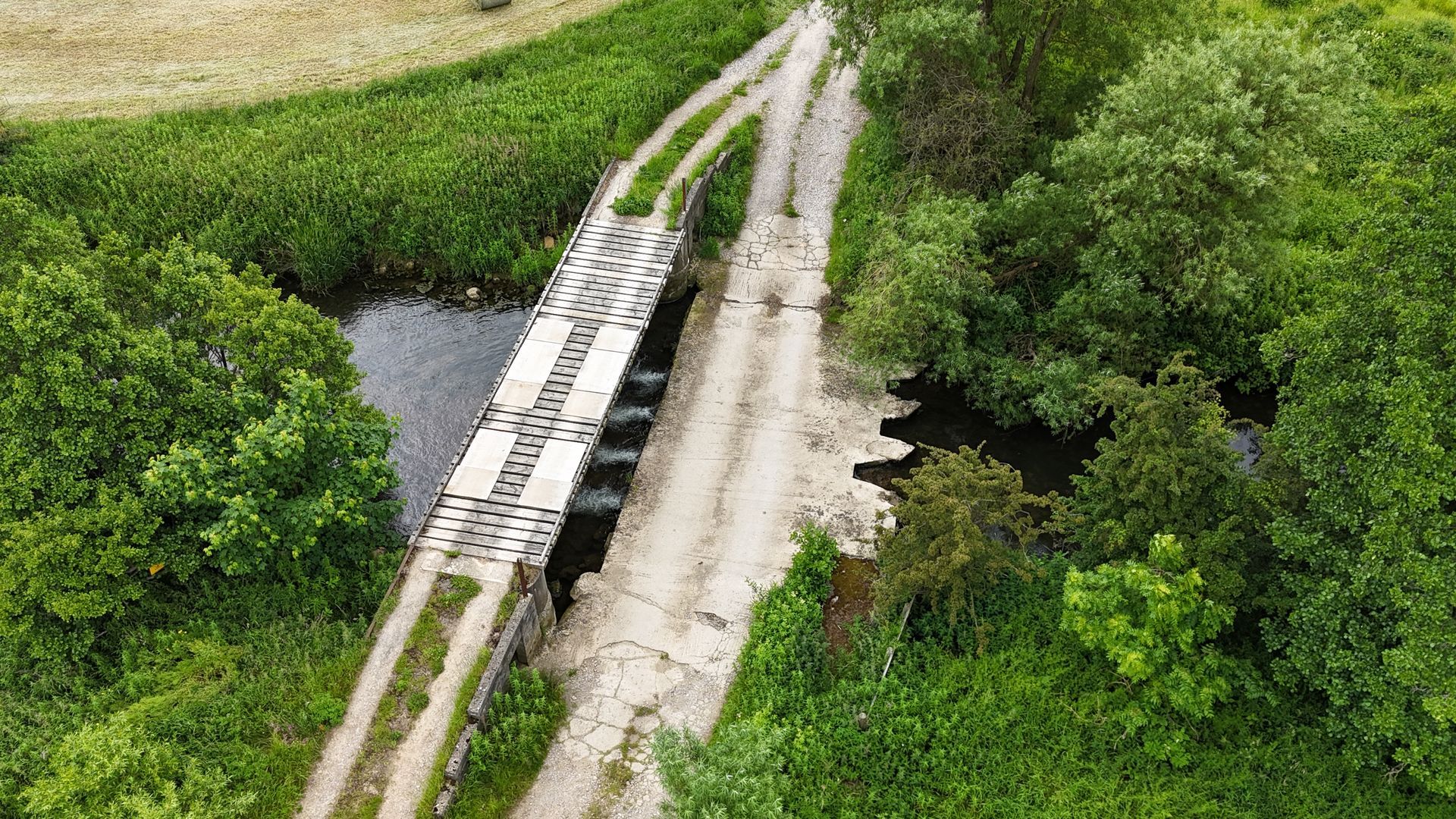
The surveys showed that the surviving fish were struggling to repopulate the catchment. One of the major contributing factors was the old concrete ford on Skeeby Beck. Fords, weirs and culverts can easily become part of a river’s landscape, but they can have a significant impact on the movement and health of a watercourse. They can prevent fish and other aquatic life from reaching different parts of a river for breeding, refuge and food. They can also hold water back, slowing its flow and causing fine sediment to settle on the riverbed, smothering gravels and the invertebrates that live there.
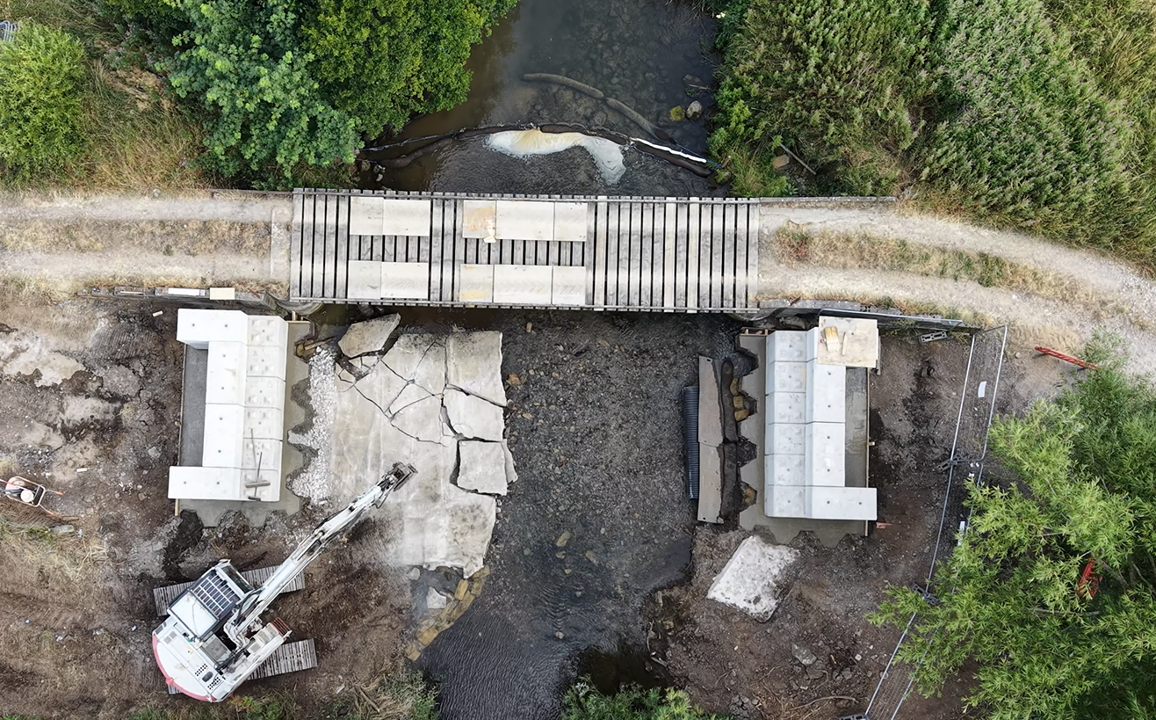
The ford at Skeeby Beck was a particularly significant barrier. It diverted the channel through four pipes that fish could not pass through, and covered gravels that provided important feeding habitat.
The farmer and landowner supported removing the ford, provided access to their land for heavy farm and plant machinery could be maintained. Following our initial conversations in February 2024, we secured funding for this complex project from the Environment Agency and later, the Great Yorkshire Rivers project.
Identifying the needs of the stream
Once funding was in place, we carried out extensive ground investigation surveys to understand the composition of the bankside soils. This information was vital for the design of the replacement bridge.
We also carried out topographical surveys of the land and river channel, and conducted modelling, to understand how water flows through the site and how the channel behaves during flooding. Further fish surveys and river habitat condition assessments helped us understand the fish populations and their habitat needs. These surveys provided valuable baseline data which will allow us to monitor the impact of removing the barrier, and measure how the stream responds over the coming years.
Putting the plans into action

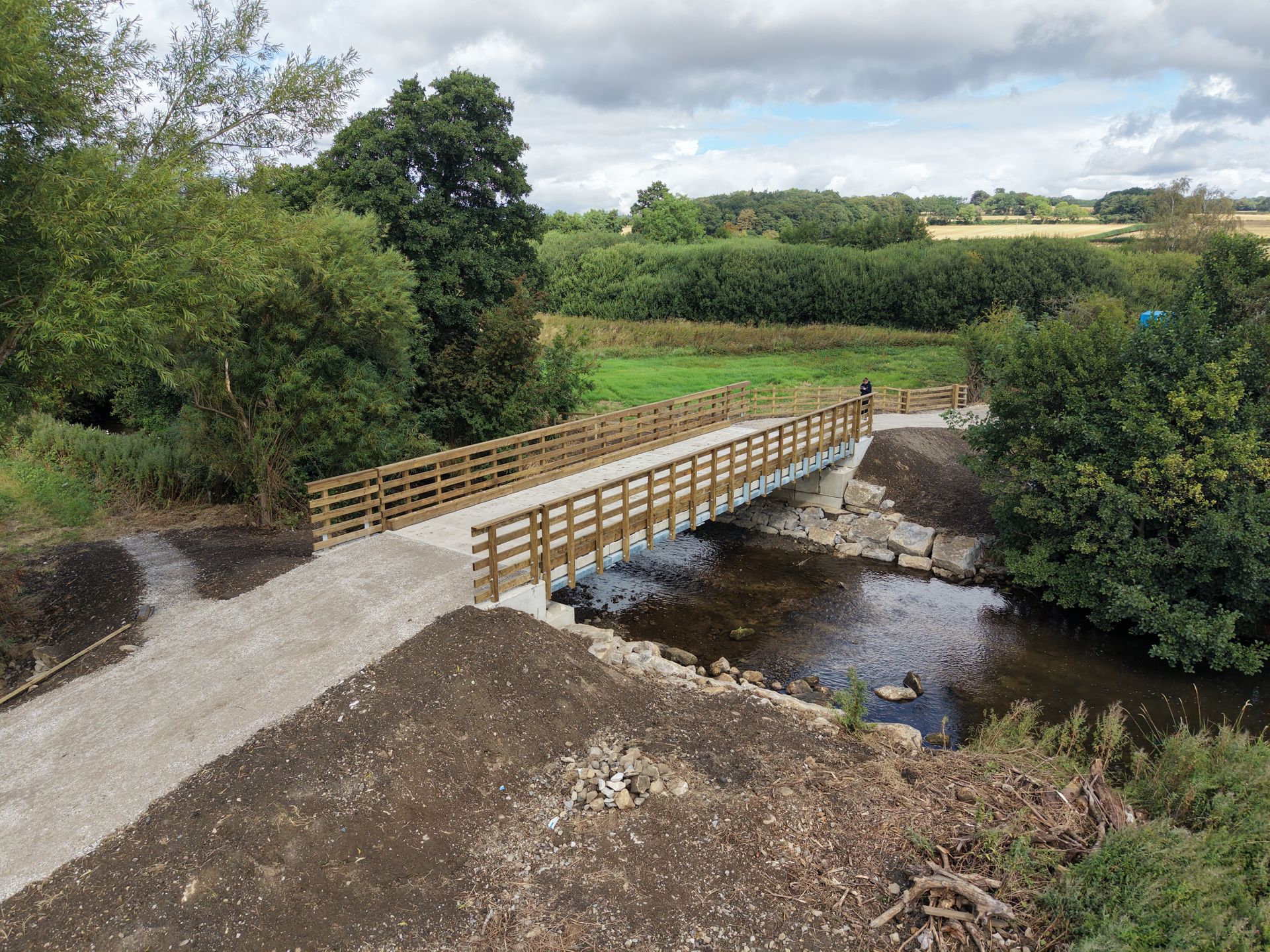
Once the location and design of the bridge had been finalised, it was time to make the plans a reality.
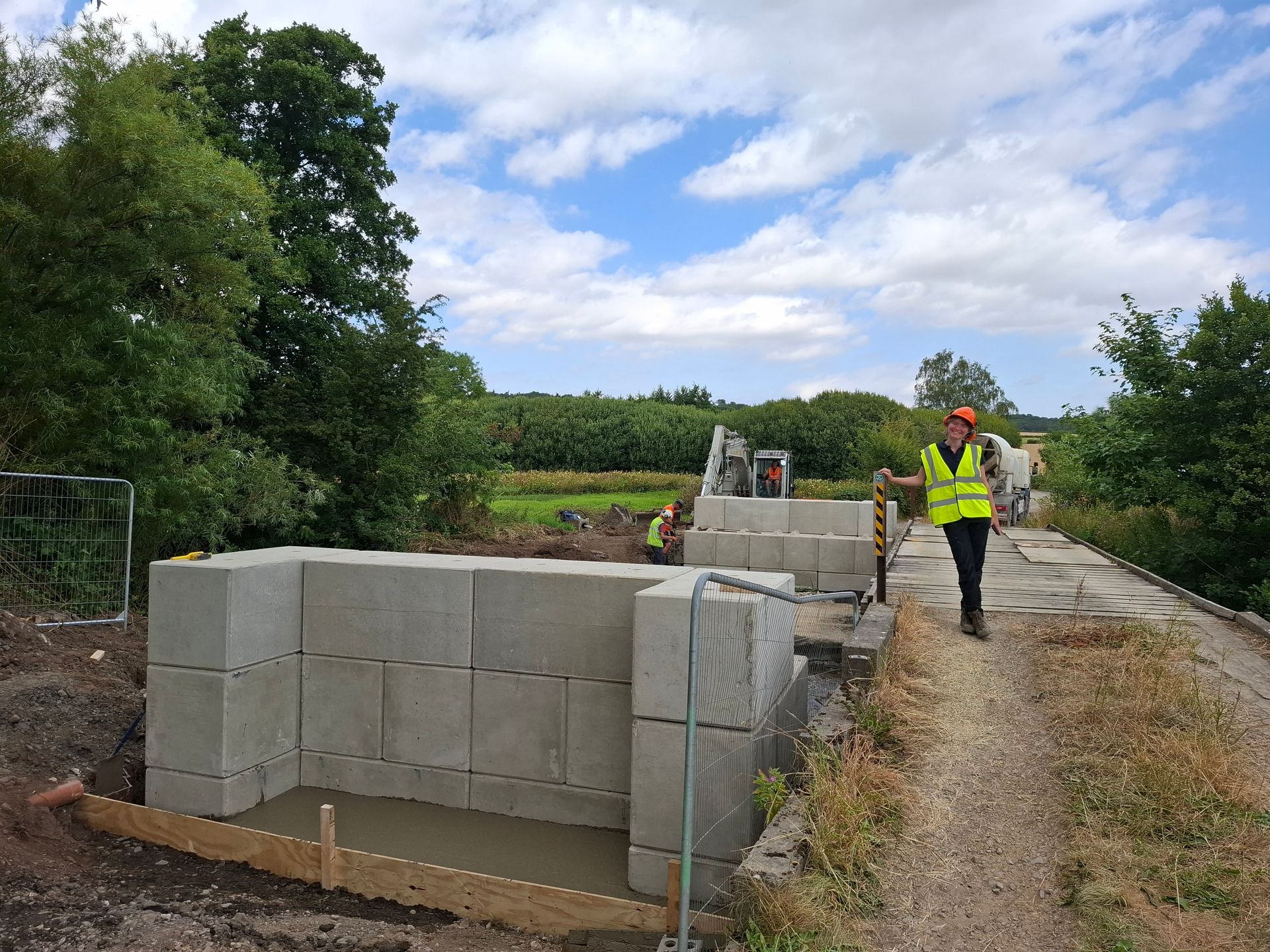
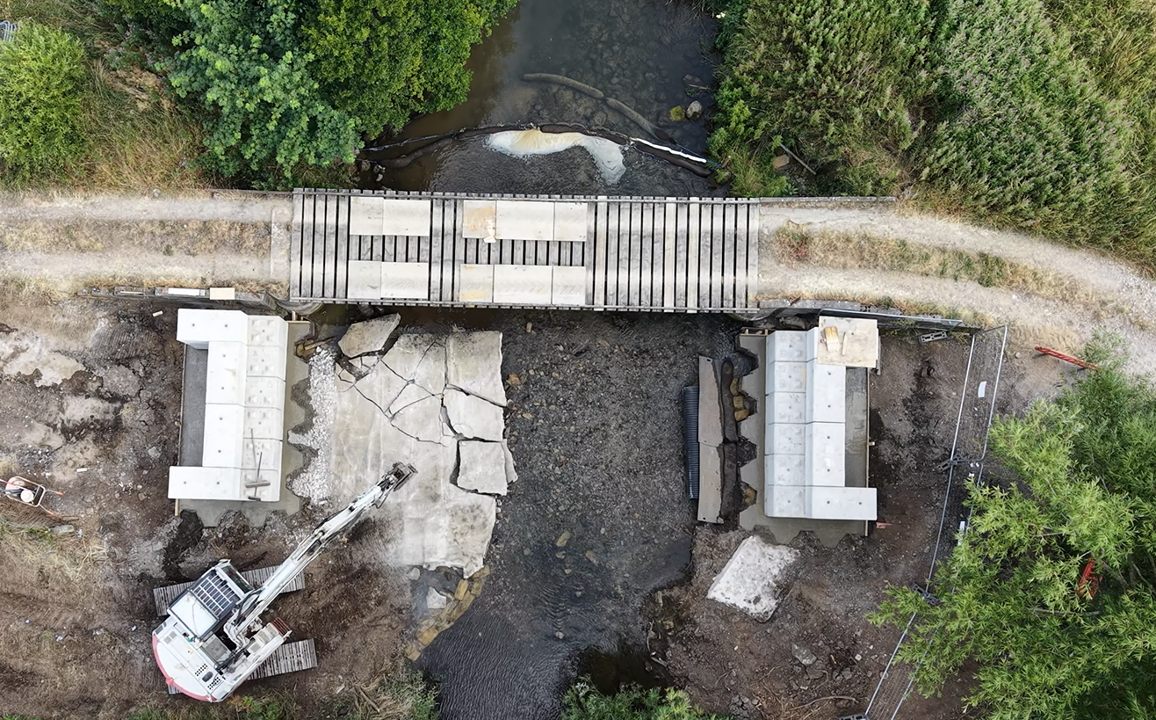
It was exciting to put on my hard hat, welcome the excavator on site, and finally see the concrete ford broken up, revealing the gravels that had been buried beneath it for years.
The bridge foundations and abutments were then installed, followed by the transverse steel beams and reinforced decking.
After more than two years of planning, it was astonishing to see the project come together so quickly. The old bridge, which was too weak to use, was removed at the same time.
Re-vegetating the riverbanks

The final stage has been to reseed the newly exposed riverbanks with local, native wildflowers and plants. Gilling West Fly Fishers and Richmond & District Anglers, as well as local volunteers − led by Martha our lead volunteer, have been a fantastic help with the grass and wildflower re-seeding.
The reseeded banks will provide valuable habitat for pollinators such as bees, whilst also helping to stabilise them ahead of the winter months and protect them from erosion during higher flows.
Ongoing monitoring
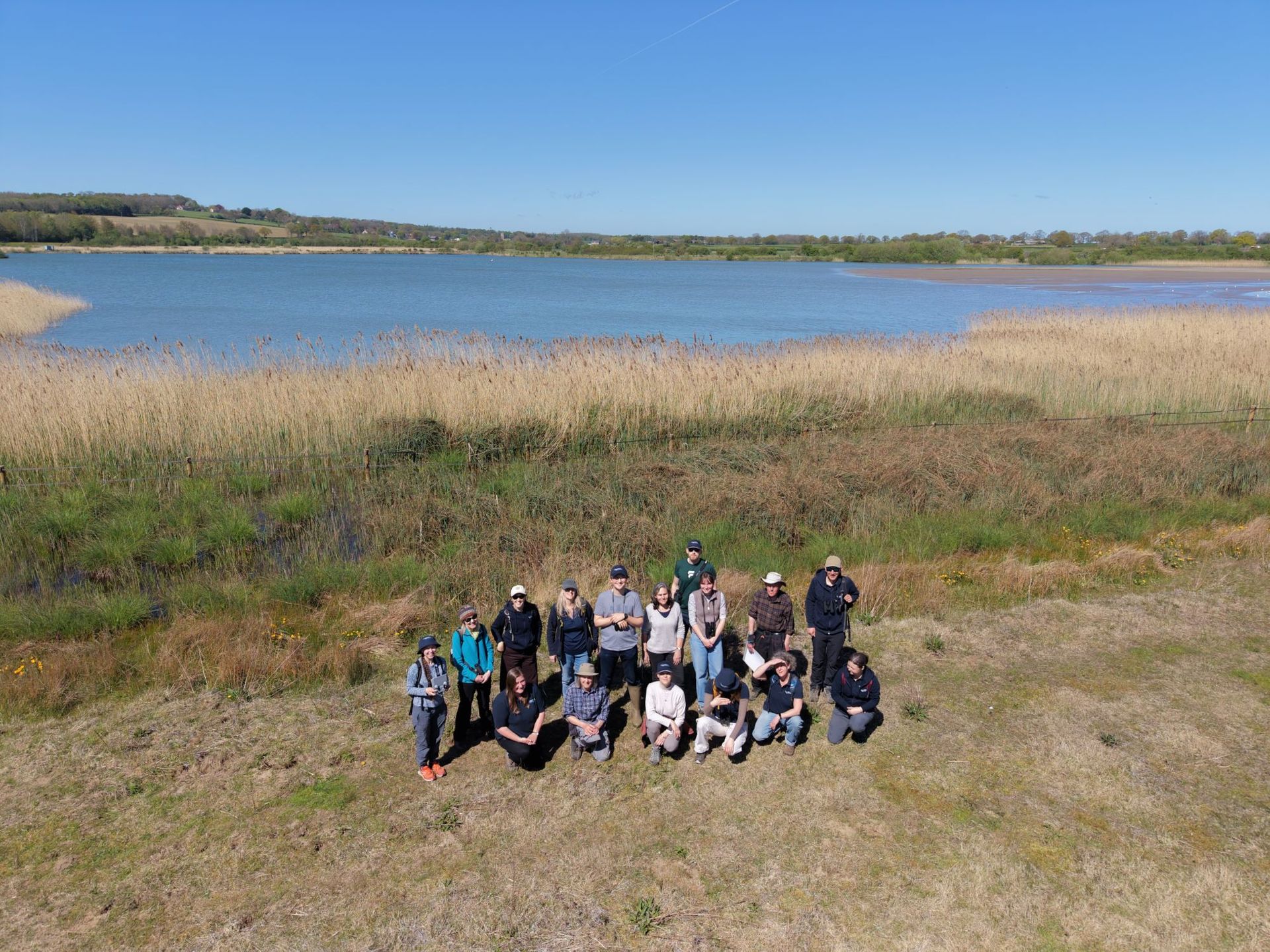
Drone footage has been incredibly useful throughout the project, helping us to plan, deliver and monitor the work. It will also continue to help us understand how Skeeby Beck responds now that the barrier has been removed and the stream is free to reclaim its natural course through the catchment.
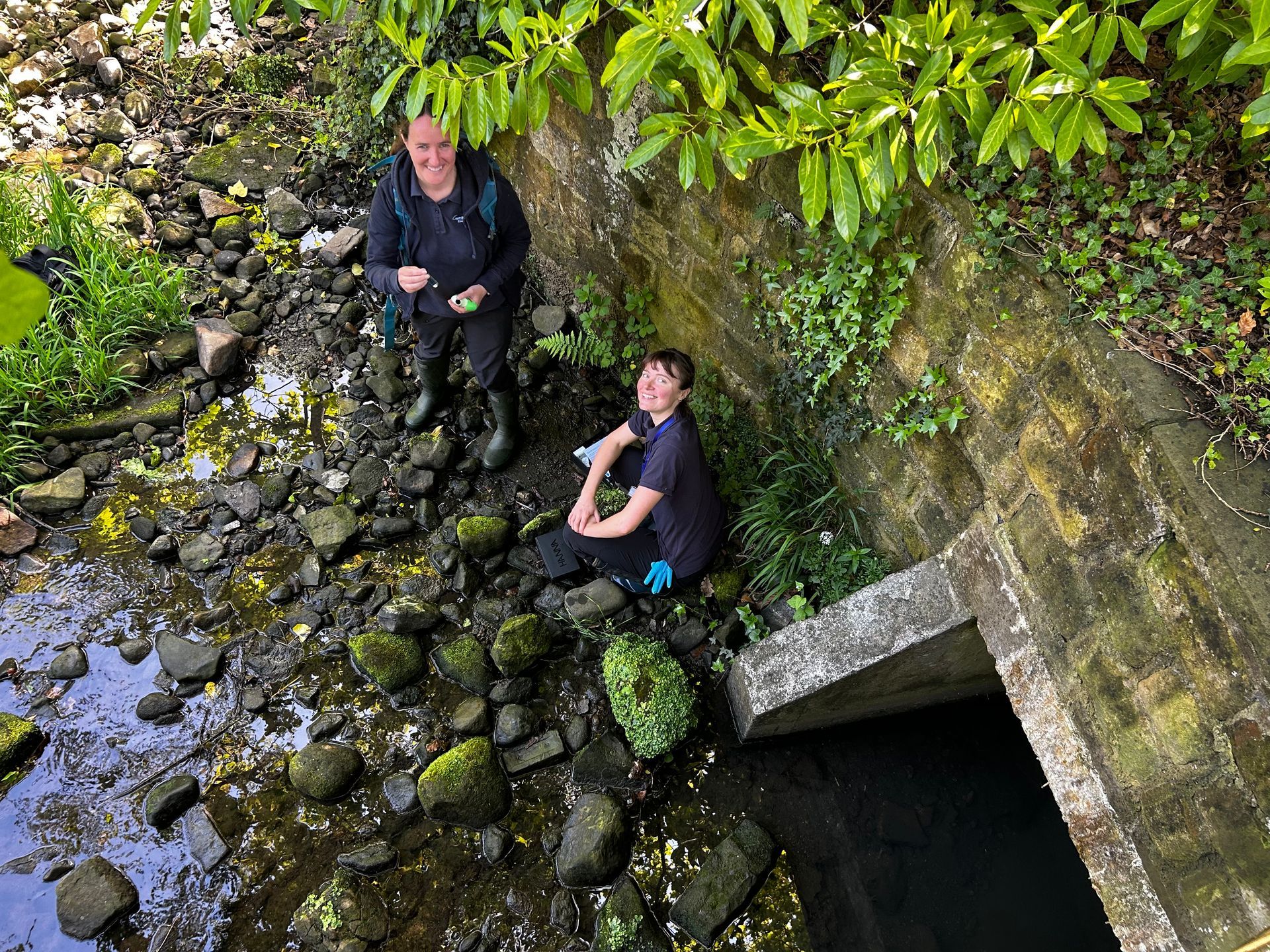
Martha has also set up up-stream and down-stream − of the former ford − riverfly monitoring sites so we can review the benefits of its removal for invertebrates, as well as fish. The local angling groups also did some water sampling at the ford, adding another layer of data for us to review the project’s success against.
We look forward to sharing more images of its progress and updates on the fish and invertebrate populations next year.
Find out more about our other barrier removal and mitigation projects via the button below: