Delivering Natural Flood Management - by Matthew Lyall
Giving water and nature more space

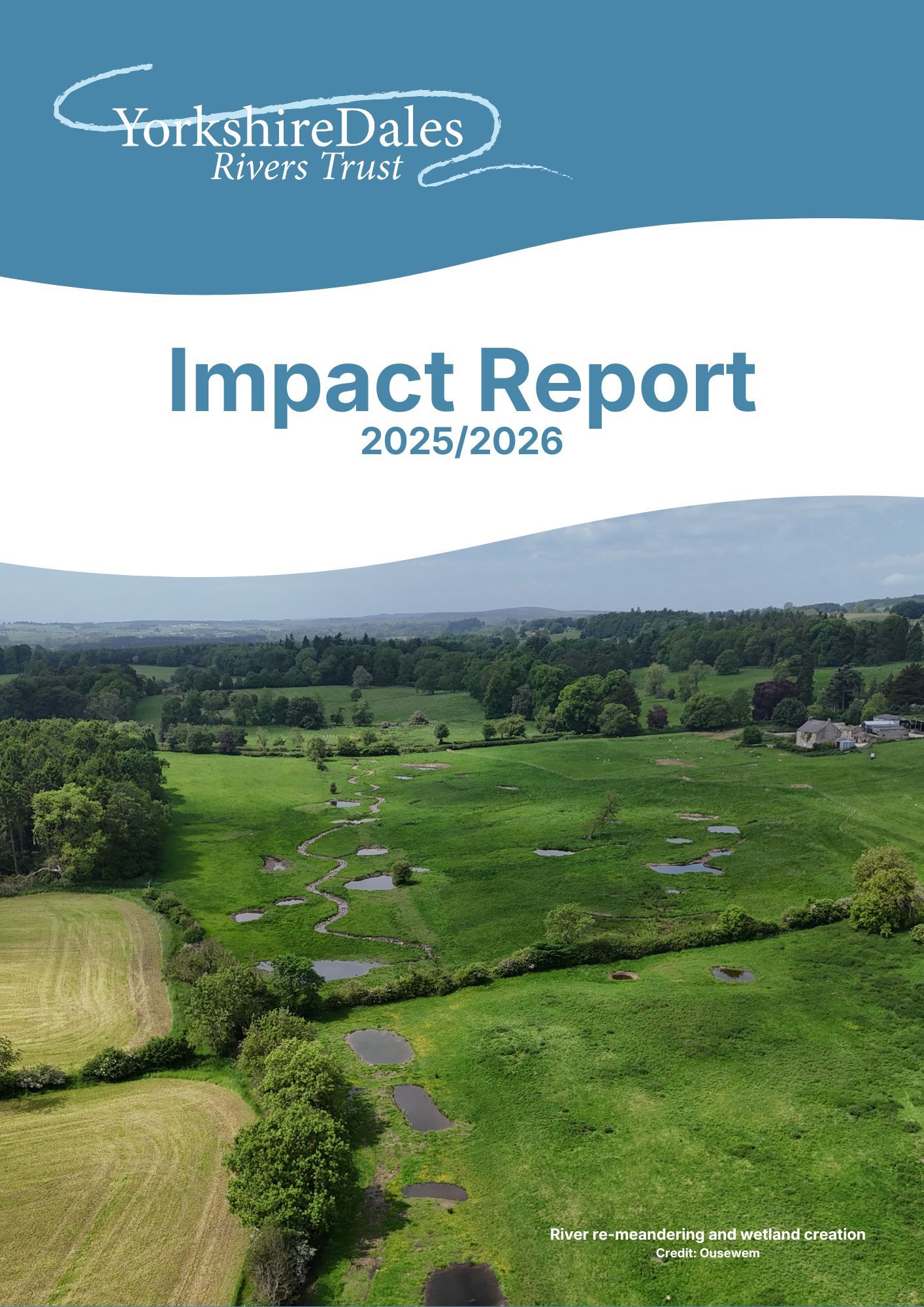
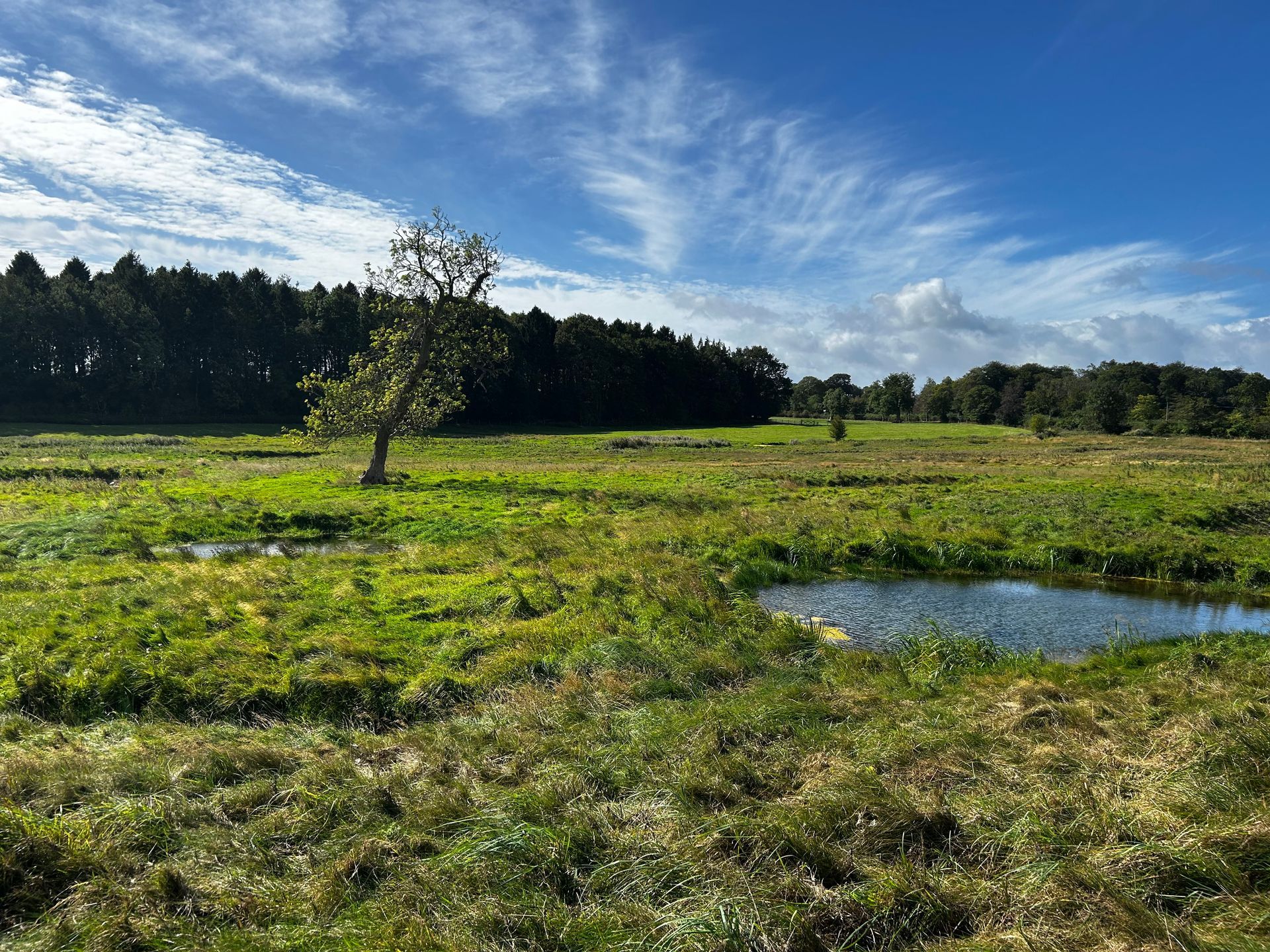
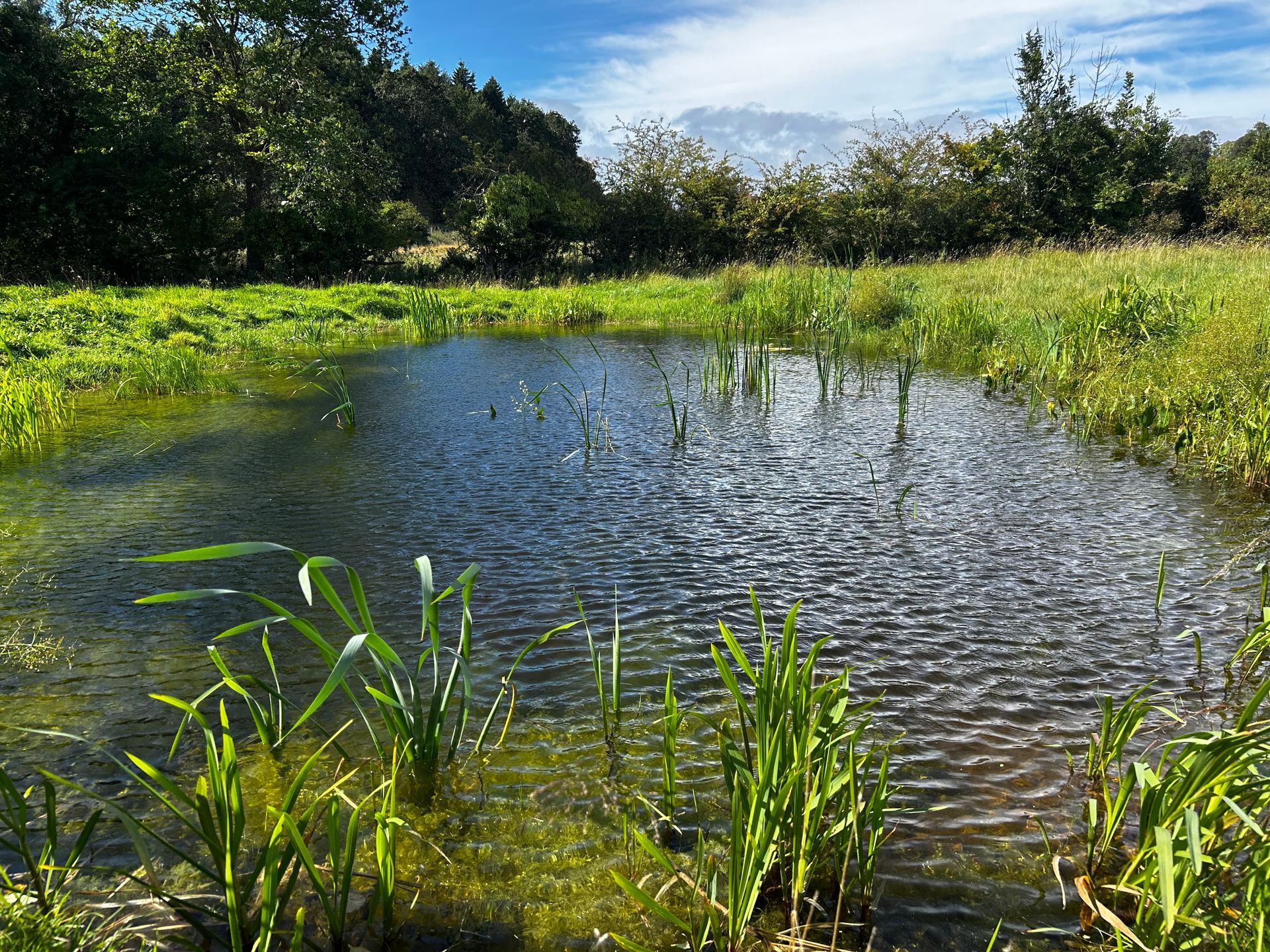
For the first time in more than 300 years, Brompton Beck on the Hauxwell Estate in Swaledale is winding through its landscape again, with new ponds and scrapes holding the water back, reducing flood risk and creating new habitats for wildlife.
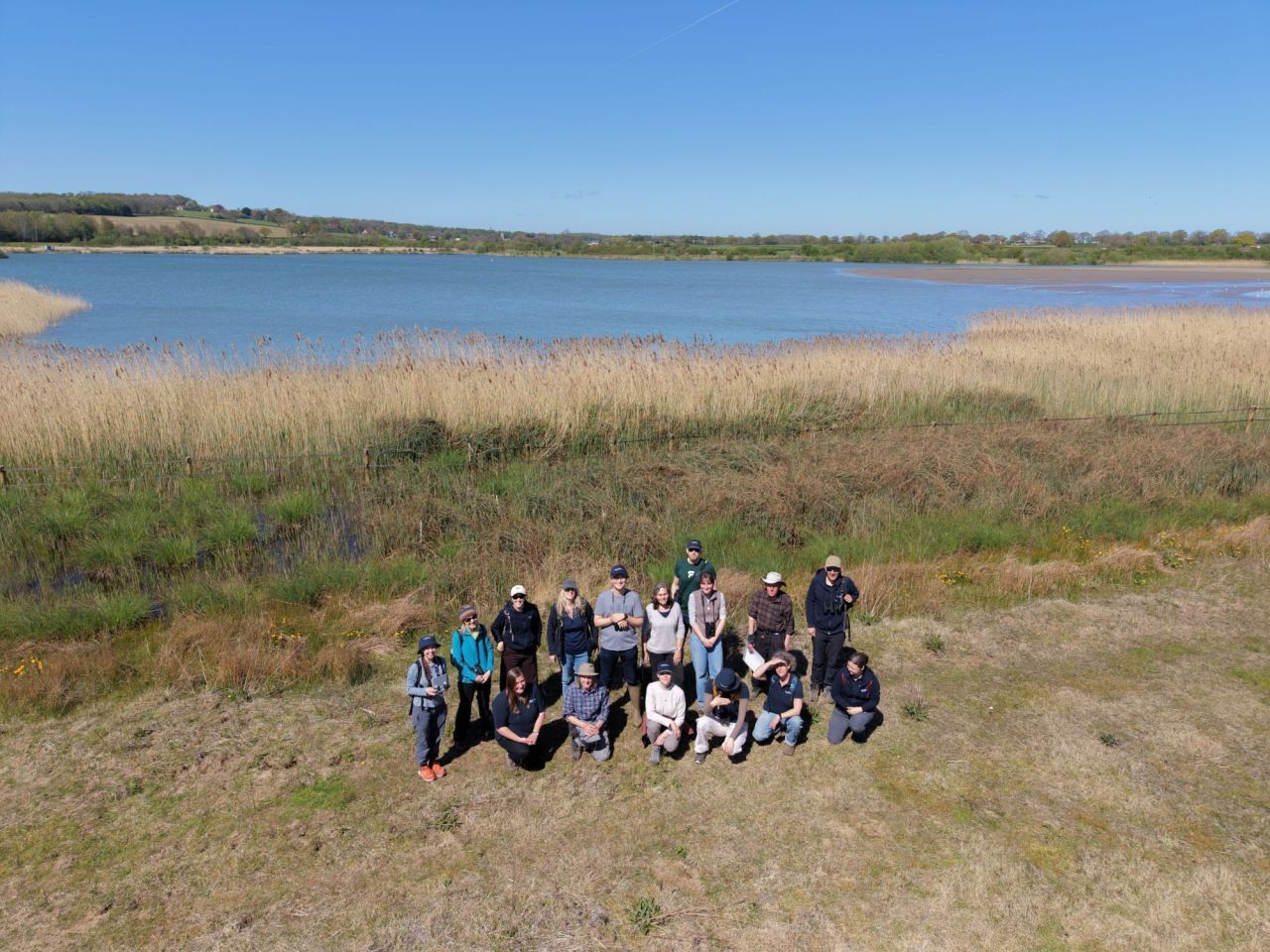
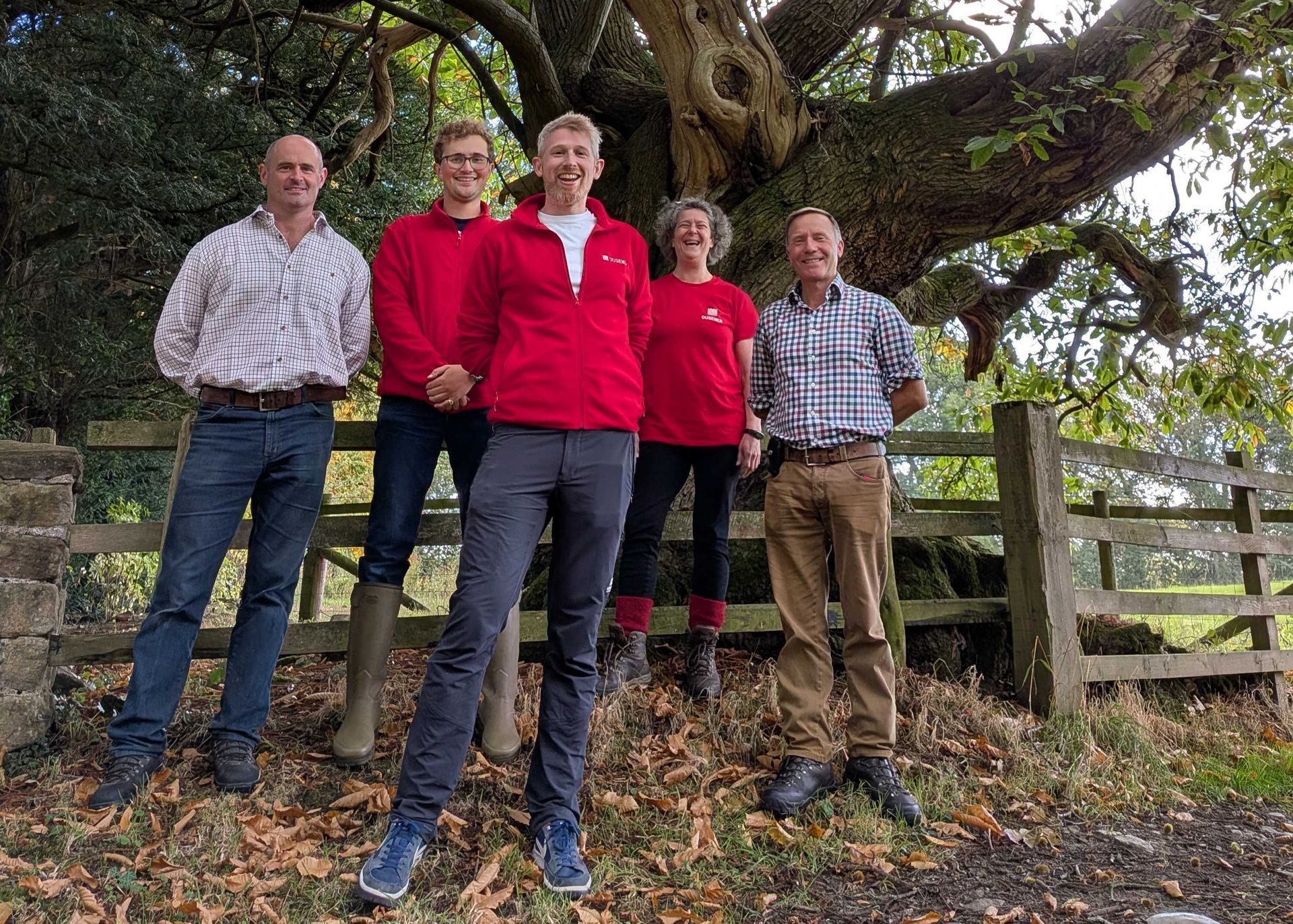
The transformation from the drained fields and straightened channel we encountered two years ago is remarkable − and it was great to recently celebrate this with the partners and local community who’ve been part of the journey, recognising what we’ve collectively achieved.
Relationship building

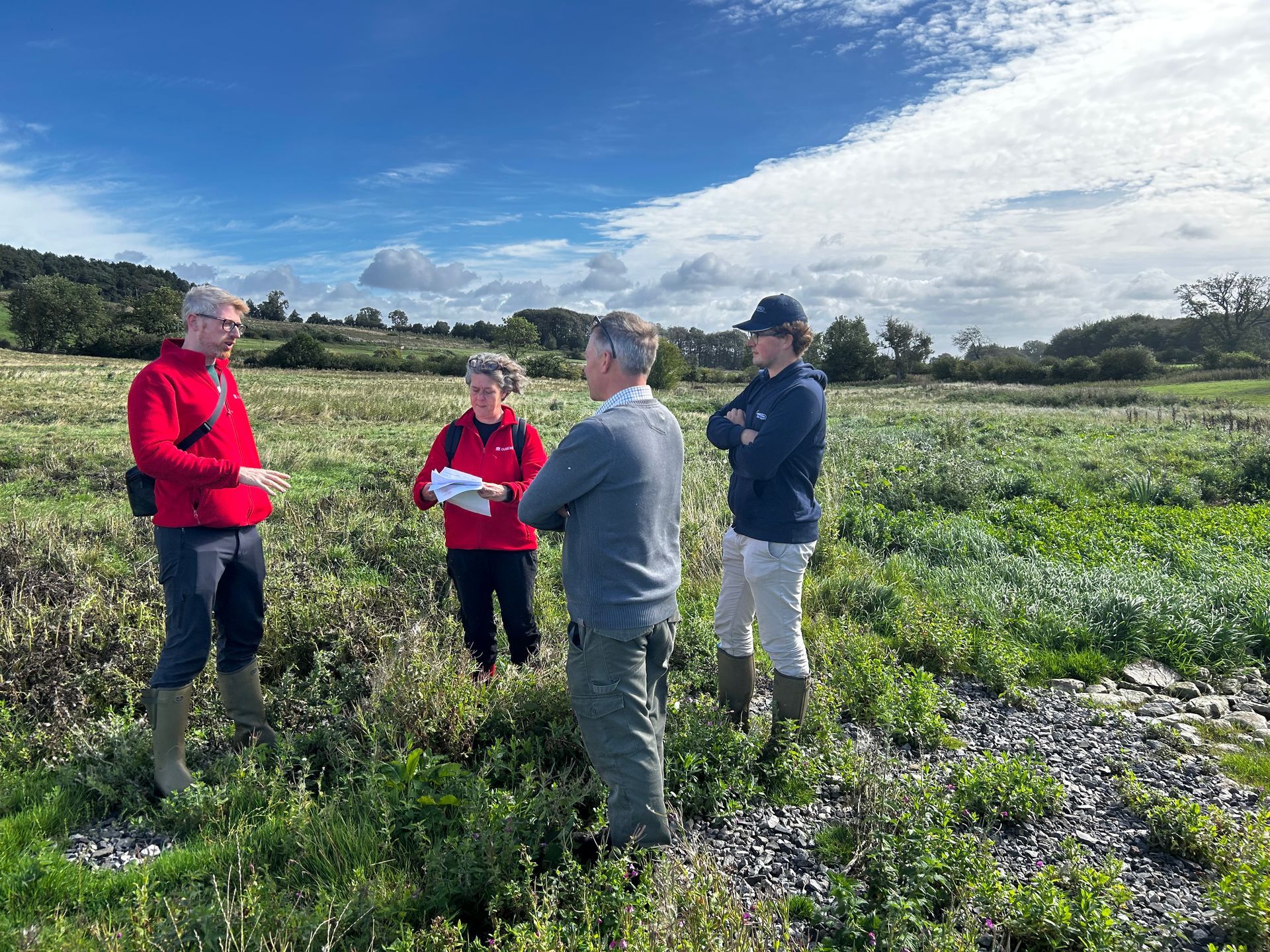
For me, one of the biggest lessons from this project has been that successful natural flood management is as much about working with people, as it is about working with water and the landscape.
Before we could determine what might be possible on the ground, we needed to build a strong relationship with the landowner and the estate’s farm and conservation manager to understand their aspirations.
Farming is changing, but gaining agreement for managing land differently, particularly when you’re talking about allowing areas to become wetter, requires trust. Initially the scheme aspired to install nature based natural flood management features in just one field, but as things developed and confidence grew, that became four.
Over many conversations, we developed a shared vision for Brompton Beck and began to plan how the land could work differently for water, wildlife and the farm itself.
We also sought advice from lots of other organisations, including Wild Trout Trust, Yorkshire Wildlife Trust, Yorkshire Water, The Freshwater Habitats Trust and other river trusts − with the Defra funded Ousewem programme, offering the means of delivering this.
Giving Brompton Beck its bends back
Historically, drainage and straightened watercourses were designed to get water off the land as quickly as possible to keep it drier for livestock grazing. But when lots of water moves rapidly through a catchment, it can contribute to higher flood higher flood peaks downstream and also a land more susceptible to drought in the summer.
So, rather than moving water away as quickly as possible, how could we hold more of it in the land?
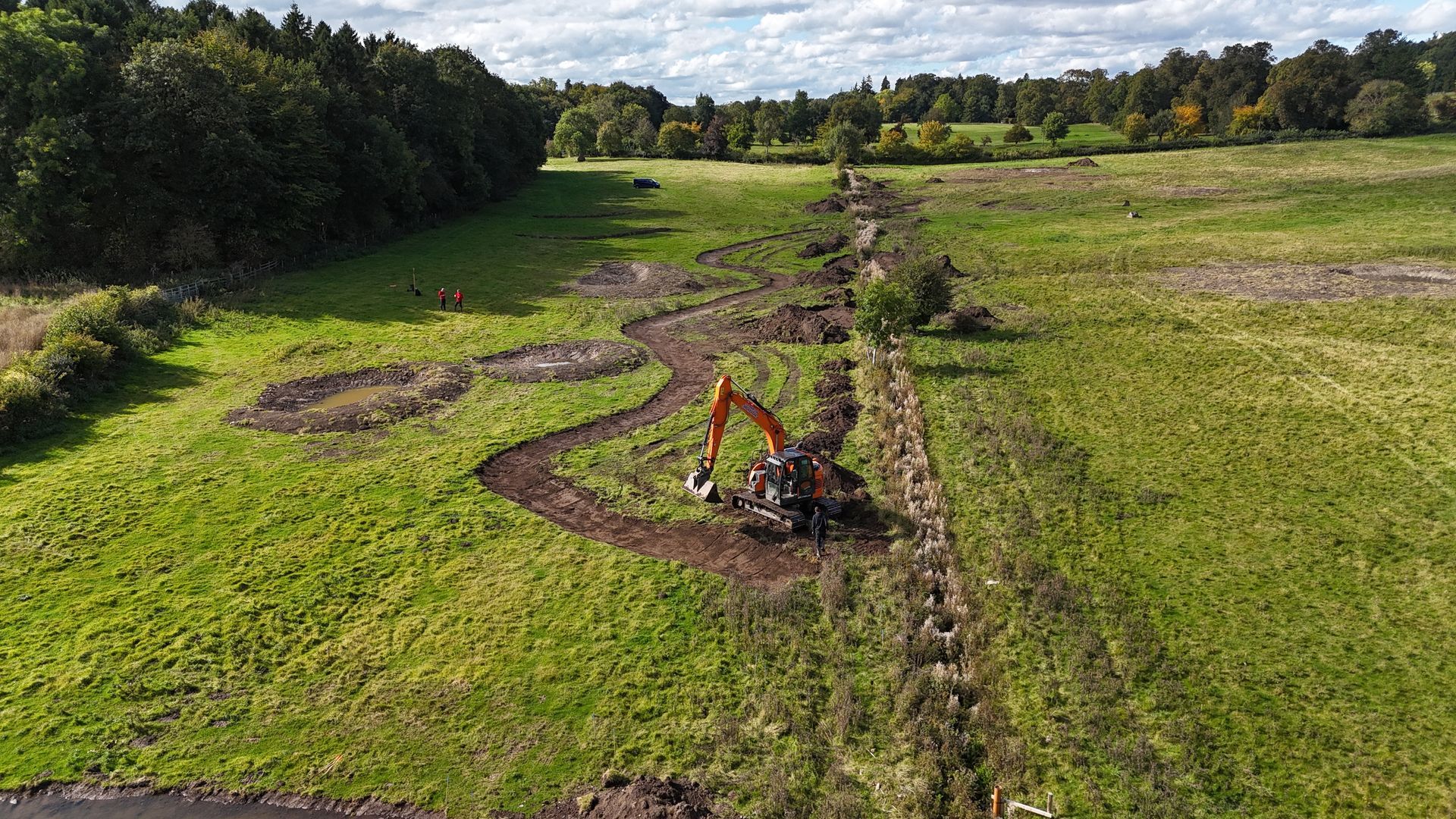
One of the biggest changes we’ve made has been to the beck itself. We’ve re-meandered around 380 metres, replacing the totally straight, incised channel with a longer and more natural route. We also reconnected it to its floodplain by making the channel shallower and wider so water can easily spill out onto the surrounding land.
Across the project area there’s also been more than 50 bunded scrapes, ponds and other backwater features created. During heavy rainfall, these provide lots of different places for water to collect, spread out and slow down − rather than just rushing straight downstream.
More than just flood management

What has been particularly exciting for me has been seeing how quickly the newly developed areas have adapted and regenerated to support new wildlife.
The area’s gone from being an intensively managed, uniform improved grassland to a landscape with muddy margins, shallow and deeper pools, gravelly channels, new hedgerows and a range of wetland habitats.
We gave nature a helping hand by planting the new ponds with native species including flag iris, marsh marigold and bogbean − but it wasn’t long before wildlife began finding its own way in.
Lapwing and curlew are already using the site and we’re finding newts, water beetles and other invertebrates in the ponds. One of my favourite discoveries has been stonewort appearing naturally. Stonewort is associated with clean, good-quality water, so seeing it establish without us putting it there is really encouraging.
Changing the wider landscape

We’ve also looked beyond the beck and ponds at how the whole site functions.
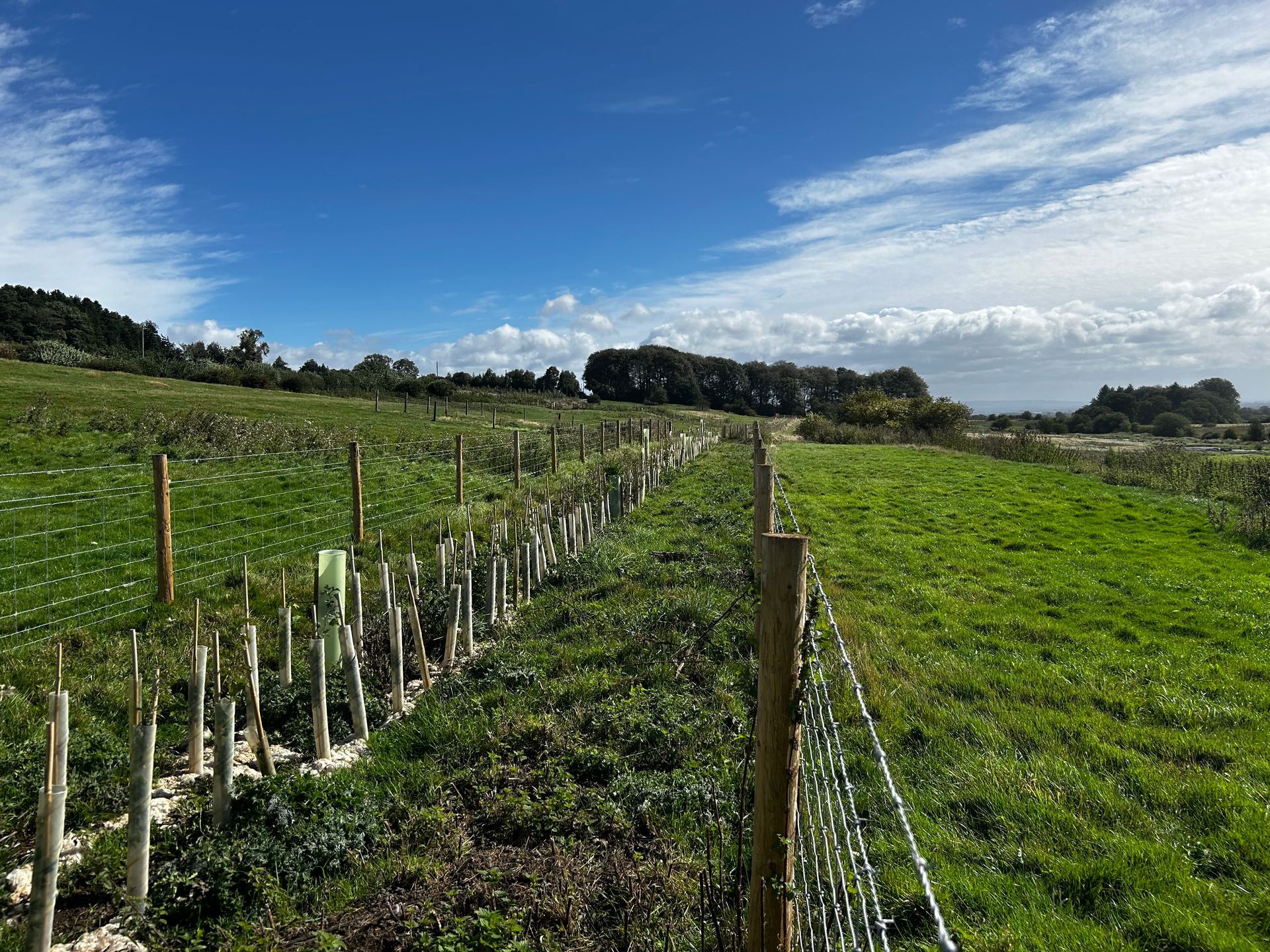
New hedgerows and trees have been planted, barriers to fish passage have been removed, and old fence lines have come out, opening up wildlife corridors across the site.
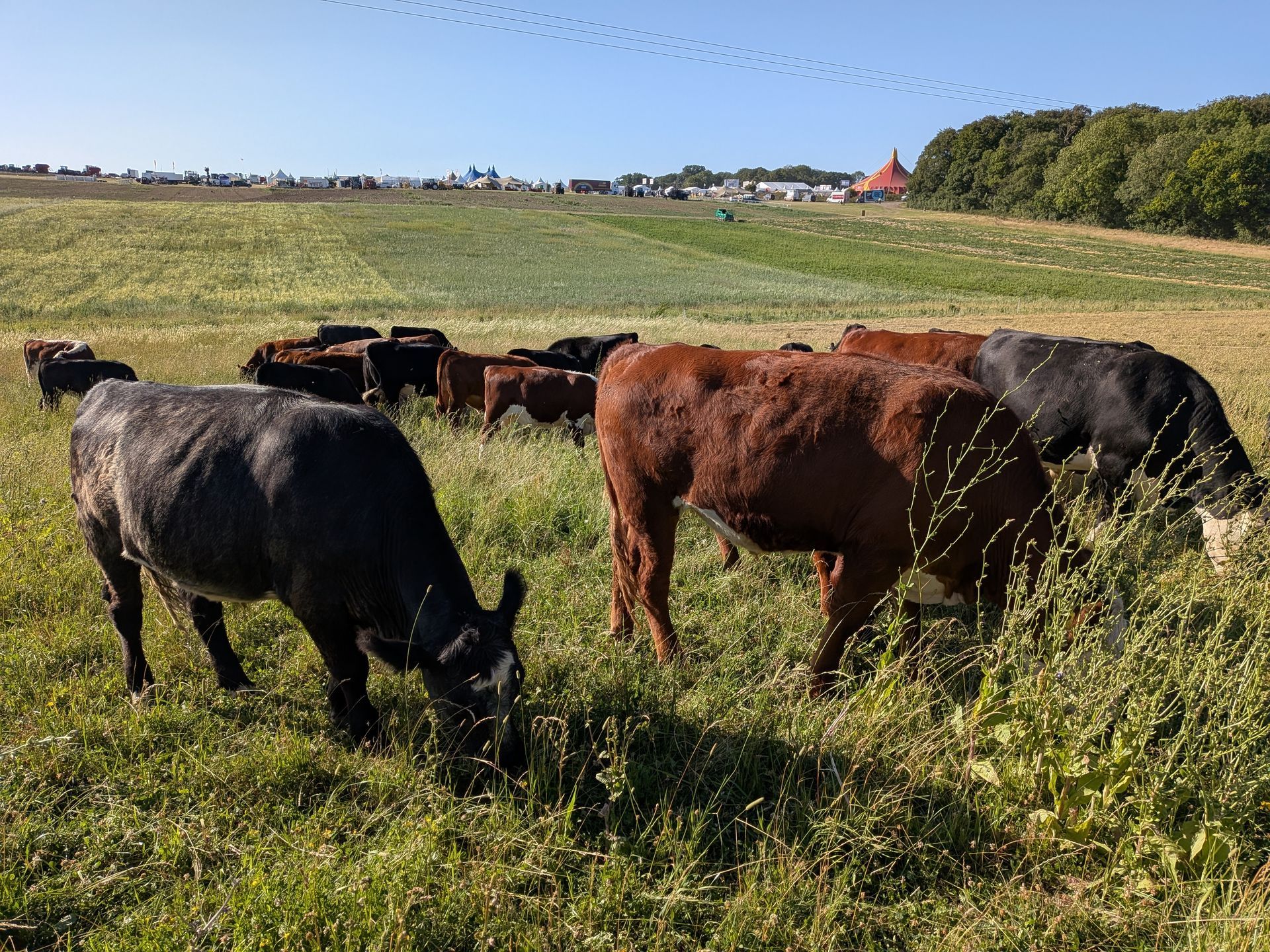
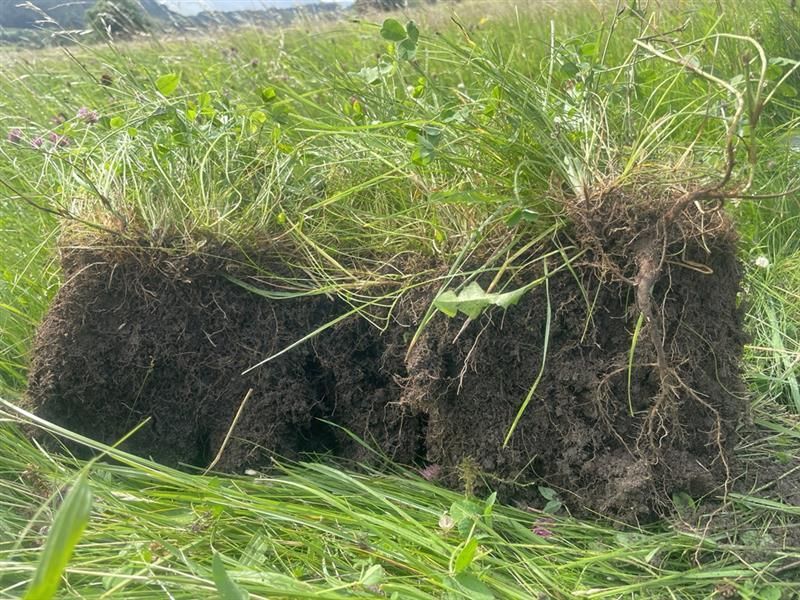
The estate is now also using a combination of ‘cut and remove’ to reduce nutrients on the land, alongside conservation grazing with a small herd of Belted Galloway cattle.
Two years on…

The Hauxwell Estate now has a landscape that can hold more water during heavy rainfall, helping to slow flows through the catchment, reducing downstream flood peaks in the village of Hunton by up to 25%*.
At the same time, all the interventions will help the estate become more resilient to drought and have created valuable new habitats and given nature space to regenerate.
For me, Hauxwell demonstrates what’s possible when you have an engaged landowner, a passionate land manager, and the time to develop a project together rather than arriving with a predetermined solution.
This project has been delivered by Yorkshire Dales Rivers Trust through the Ousewem programme, working alongside the landowner, City of York Council, North Yorkshire Council, Natural England and JBA, with funding through Defra’s Flood and Coastal Resilience Innovation Programme.
* Modelling also indicates that peak flows reaching Hunton could be reduced by approximately 25% during a 1-in-10-year rainfall event.