From Stream to Screen: Our Stop-Motion Rivers Film - by Catherine Mason
Introducing Rivers4Life

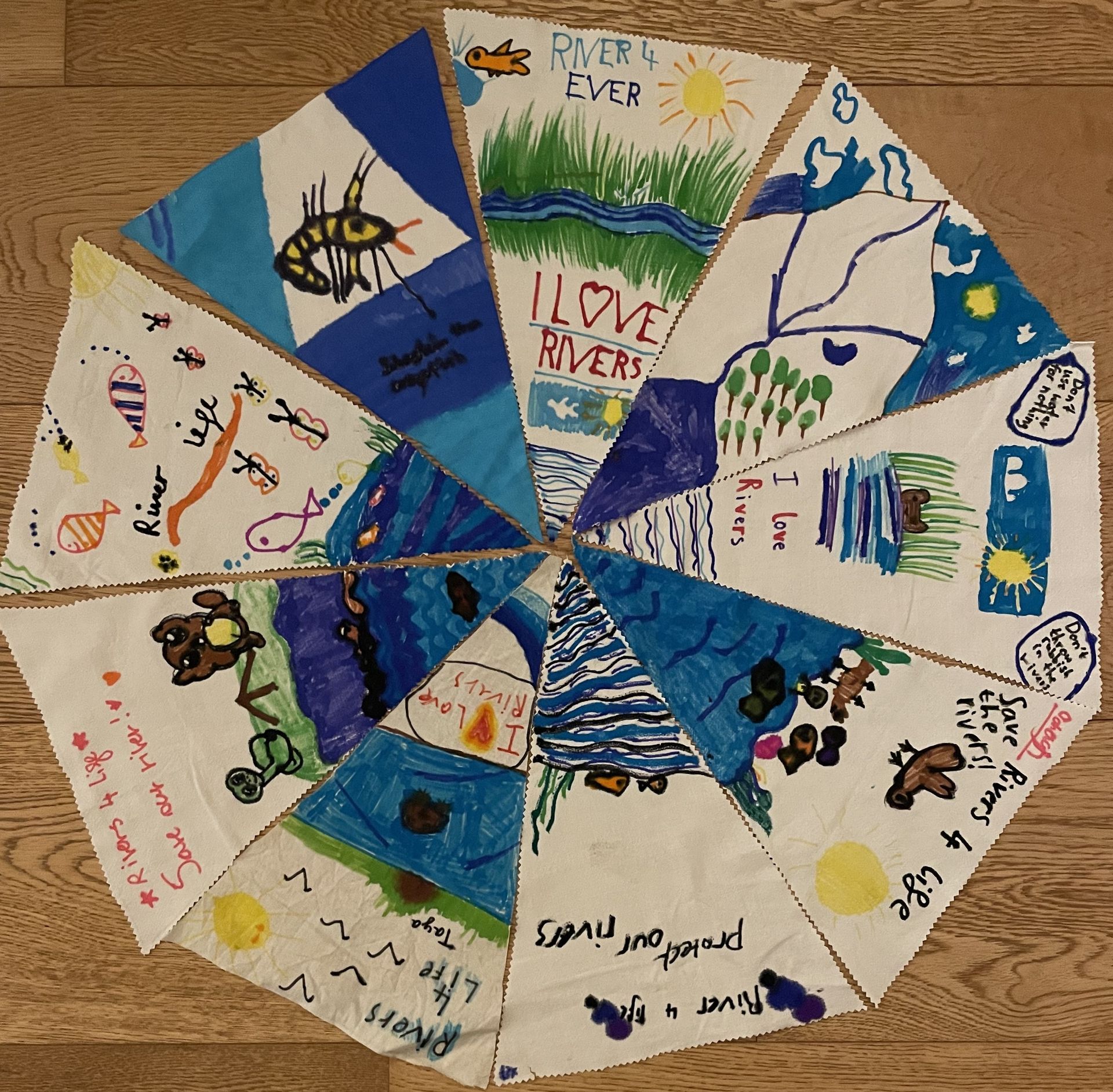
We are now more than halfway through the second year of our three-year National Lottery Heritage funded Rivers4Life programme, enabling us to work with schools and community groups along the rivers in our catchment, collaborating with artists to inspire children and local communities to learn more about rivers and their wildlife.
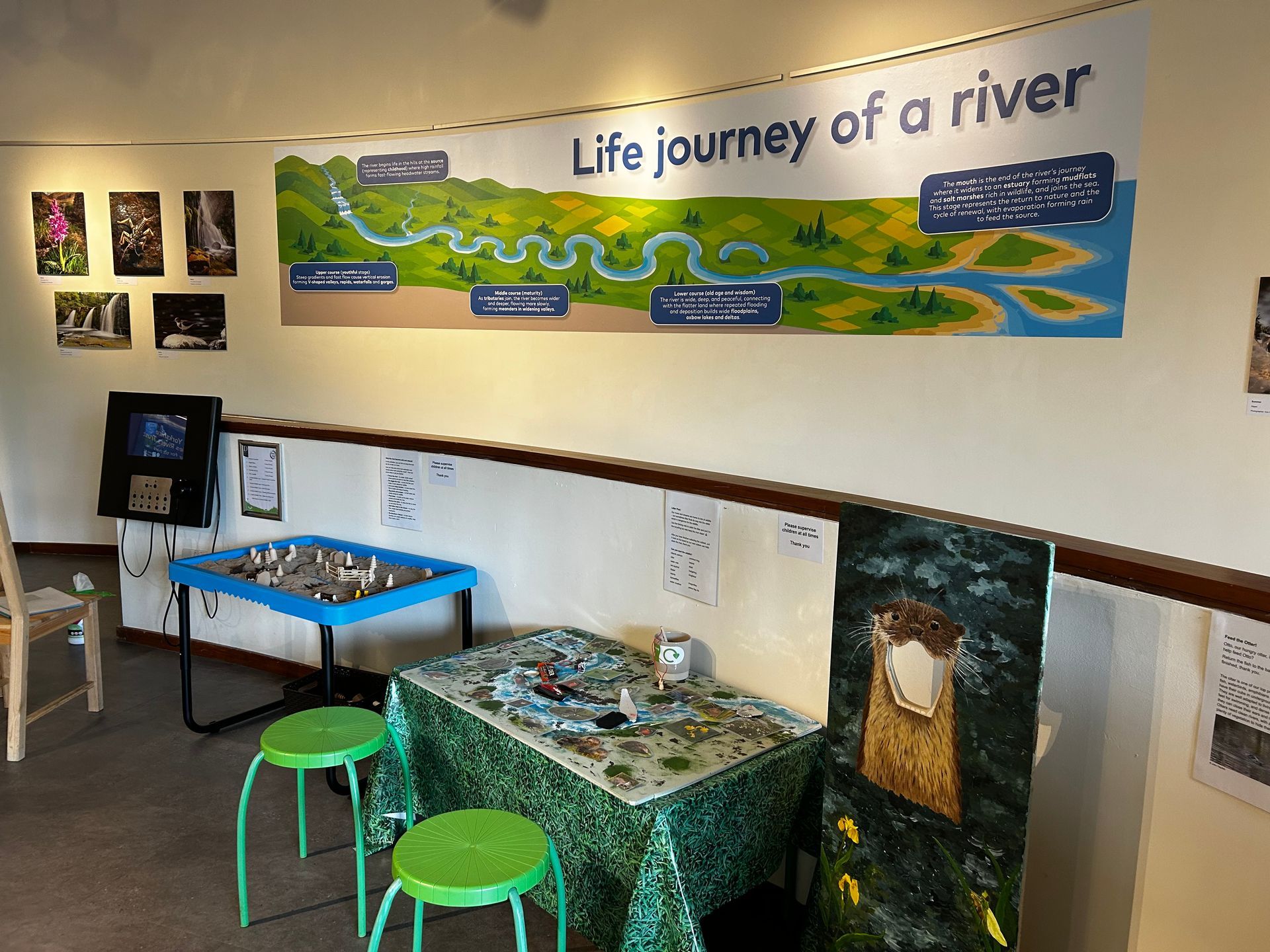
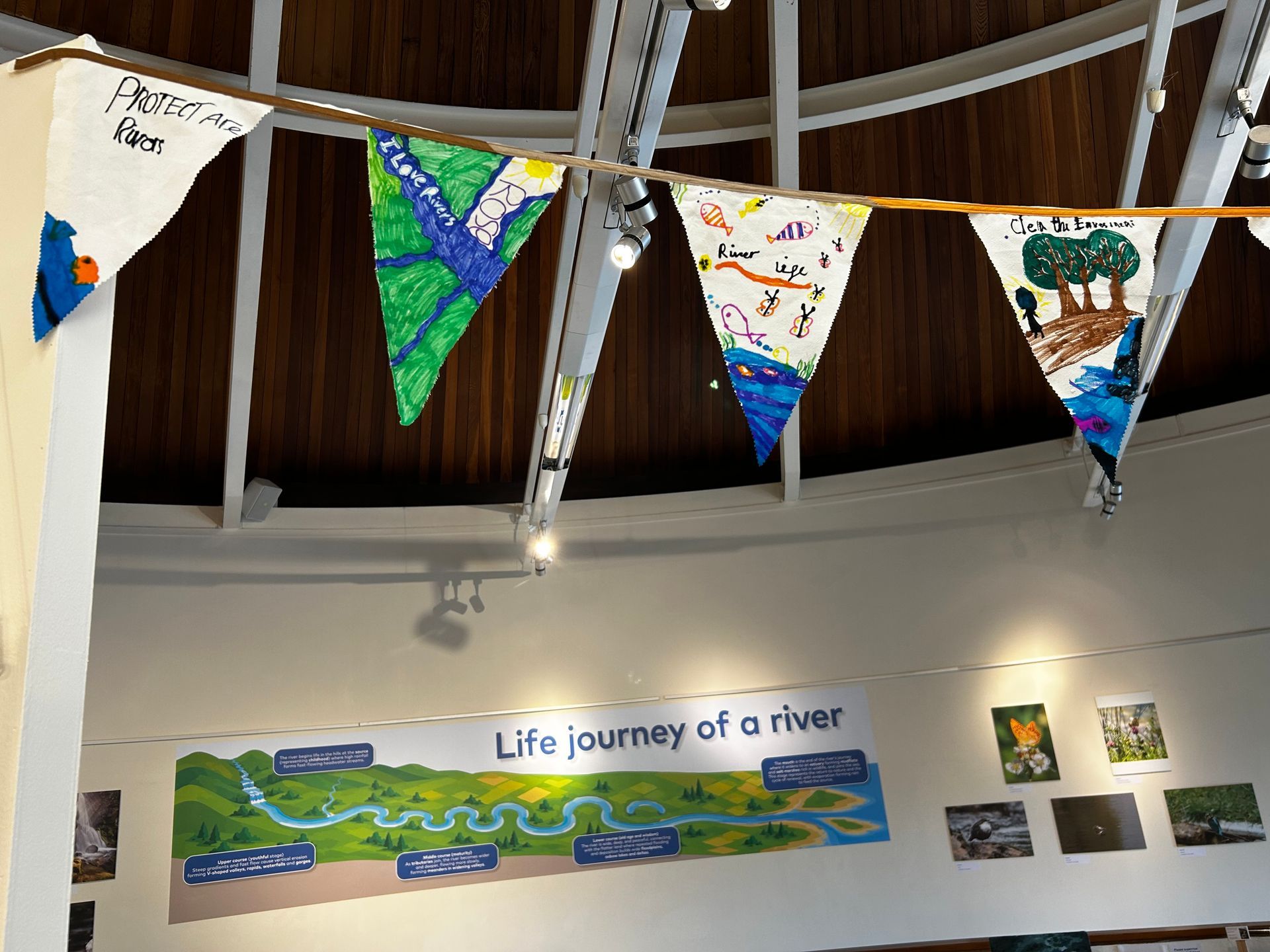
One of the highlights of our recent Rivers4Life exhibition, which brought the environmental science of rivers to life through art, was a brilliant two-minute stop-motion film created by Years 3 and 4 at Applegarth Primary School, Northallerton entitled ‘Everyone Loves Rivers’. Think Wallace and Gromit − but 2D and all about rivers!
The good news is that everyone can now watch this creative and informative film via our website and the button below – but first let me share the story of how it was made.
Bringing rivers to life: frame by frame

I had already worked with Applegarth Primary School, visiting with our Rivers2U mobile education van, and had seen how these sessions inspired pupils and teachers. So, when I suggested involving the school in creating a stop-motion film, they loved the idea! It fitted perfectly with the Years 3 and 4 cross-curricular project including art, design & technology and computing, and linked previous learning on rivers with social responsibilities for the environment.
Finn Varney, a creative nature communicator and filmmaker seemed like the perfect match for the project, and so a first step was to meet with Finn and between us agree what length and type of film was possible, and what learning goals this would deliver for the pupils.
The finished film had to be engaging, helping pupils and audiences learn more about river wildlife and the challenges faced by our rivers – as well as understanding how stop-motion films are made, along with gaining experience of the creative process.
After discussing the story we wanted to tell, and the key messages we hoped the audience would take away, Finn wrote the script. Back in school, he hosted a workshop to show the children exactly what a stop-motion animation is, and explained how a stop-motion film is made.
What is stop-motion animation?

Start with a storyboard – a set of drawings used to tell a story – pictorially showing the sequence of events you want to tie together. But how to make the characters move?
Finn had the ingenious idea of giving every child a little ‘flick book’, demonstrating that if you drew a slightly different image on the corner of each page, when ‘flicked’ it shows movement and motion! The children loved it and each created their own.
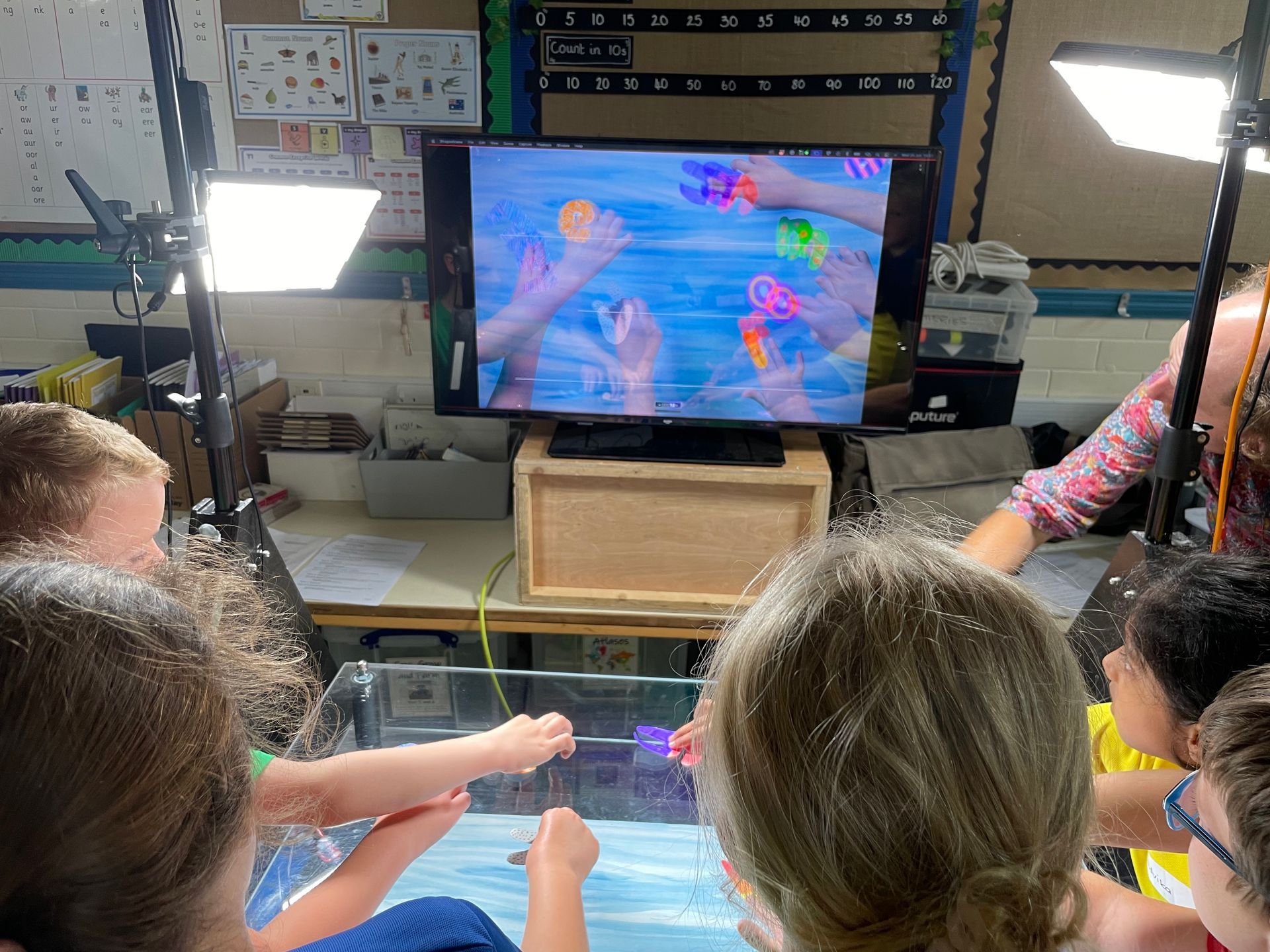
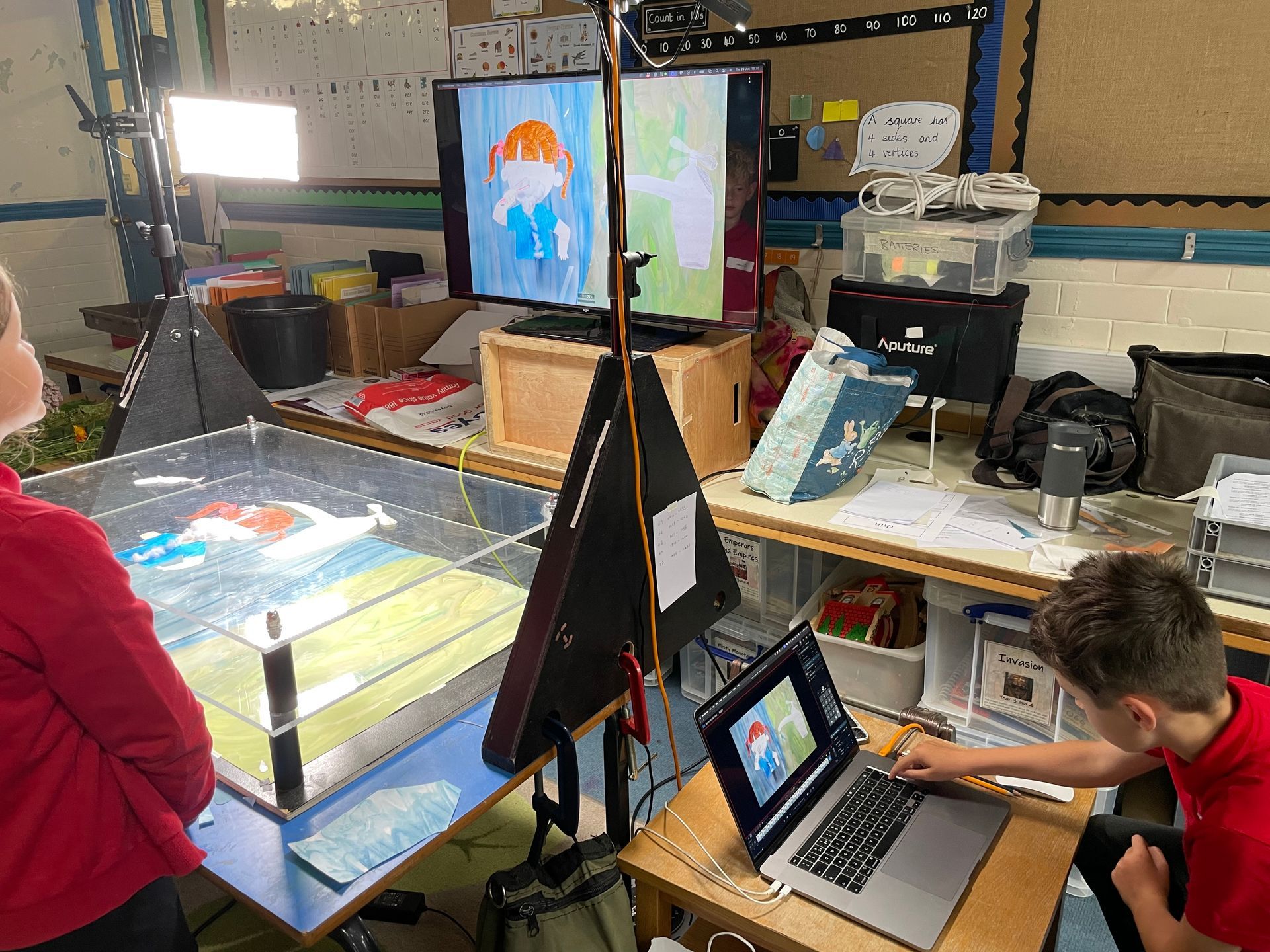
With a classroom transformed into a film studio, and armed with the script, backgrounds, scene dressings and character templates, we were ready to run the workshops and start filming!
Making the stars of the film

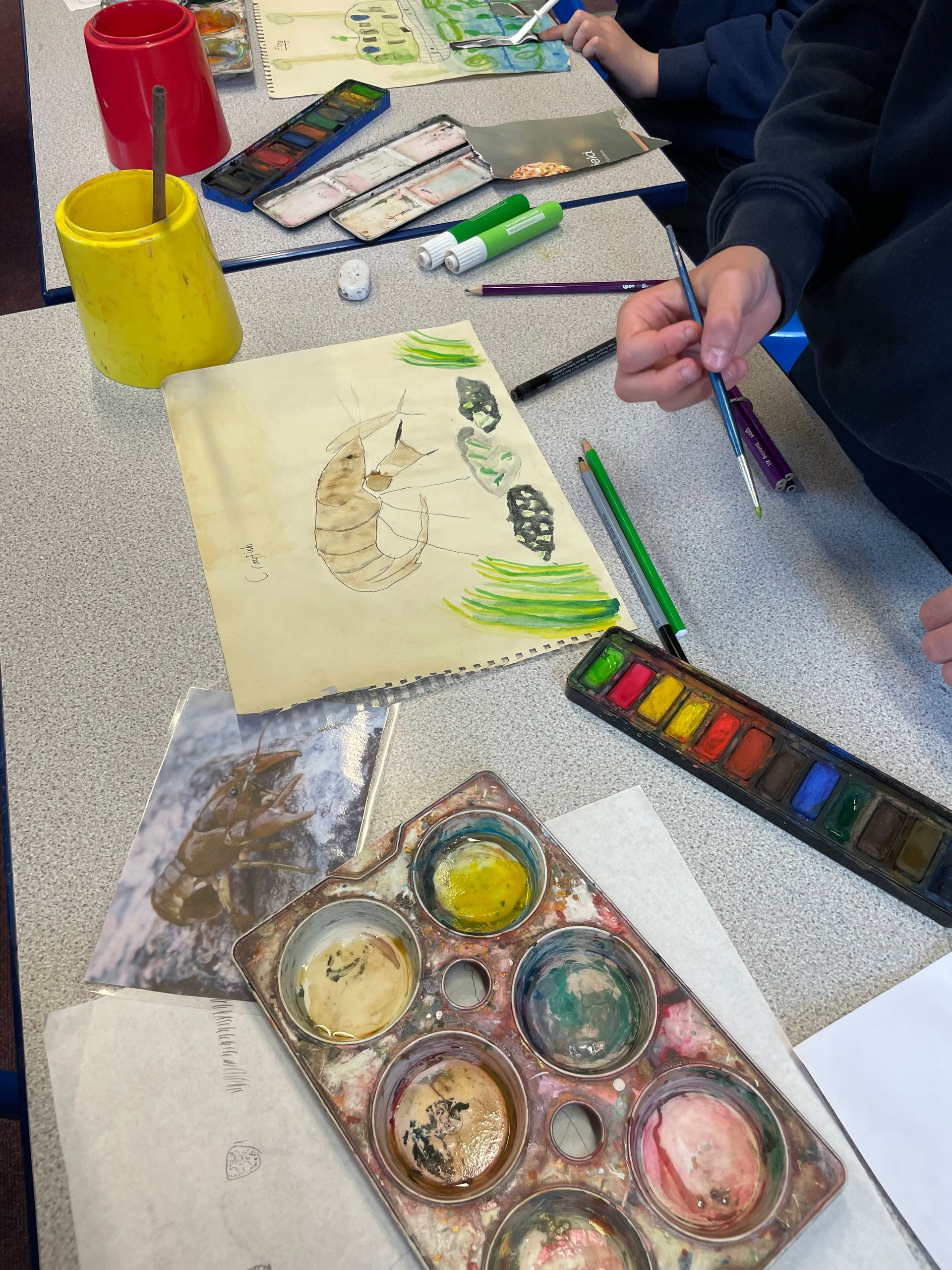
From an otter and a heron to a toothbrush and frying pans, a colourful cast of characters and objects provided the ‘moving parts’ of the finished film.
To cater for different abilities, Finn created a range of character templates, giving pupils the choice of working from a pre-drawn design or creating their own from scratch.
Working in small groups of 6 to 8 pupils, each pupil took responsibility for bringing their own character or object to life. Under direction, the children carefully positioned their characters on the background and then took turns to take a series of photos to capture each frame, before moving their character ever so slightly ready for the next shot. Each group repeated this process up to 50 times to create just a few seconds of movement.
This filming process required patience, precision and plenty of concentration − and the pupils did a fantastic job. To complete each section, they also recorded the narration, adding their own voices to the finished film.
The finished film

After three full days of filming, working with 14 groups, each carefully capturing around 50 individual photos – thanks to Finn’s skilful editing, the frames were transformed into a brilliant two-minute stop-motion animation.
The finished film brings home the importance of caring for our rivers − for nature, wildlife and ourselves − and shows how we can all play a part. Just as importantly, the project gave the children first-hand experience of stop-motion filmmaking, the attention to detail it demands, and the extraordinary amount of work that goes into producing even a few minutes of film.
Apparently, it takes Aardman Animation around two weeks to create just 10 seconds of footage for Wallace and Gromit. After our workshops, pupils from Year 3 and 4 at Applegarth Primary School and I, now understand why!
Click on the button below to view the film: