The North Pennines National Landscape’s
Tees-Swale: Naturally Connected
programme has come to an end, marking six years of work to
restore, enhance and connect habitats across Teesdale and Swaledale.
As lead delivery partner, working alongside the
Mining Remediation Authority
, and with part-funding from the Water and Abandoned Metal Mines (WAMM) programme, we delivered a £900,000 element of the project focused on tackling pollution from historic metal mines.
Over the past five years, we have established
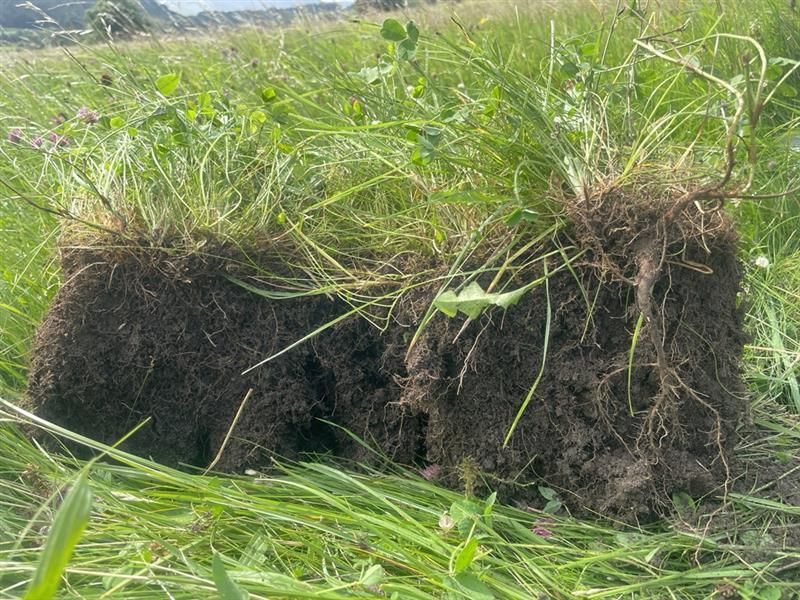
vegetation
across
nearly 3.9 Ha of previously bare mine waste
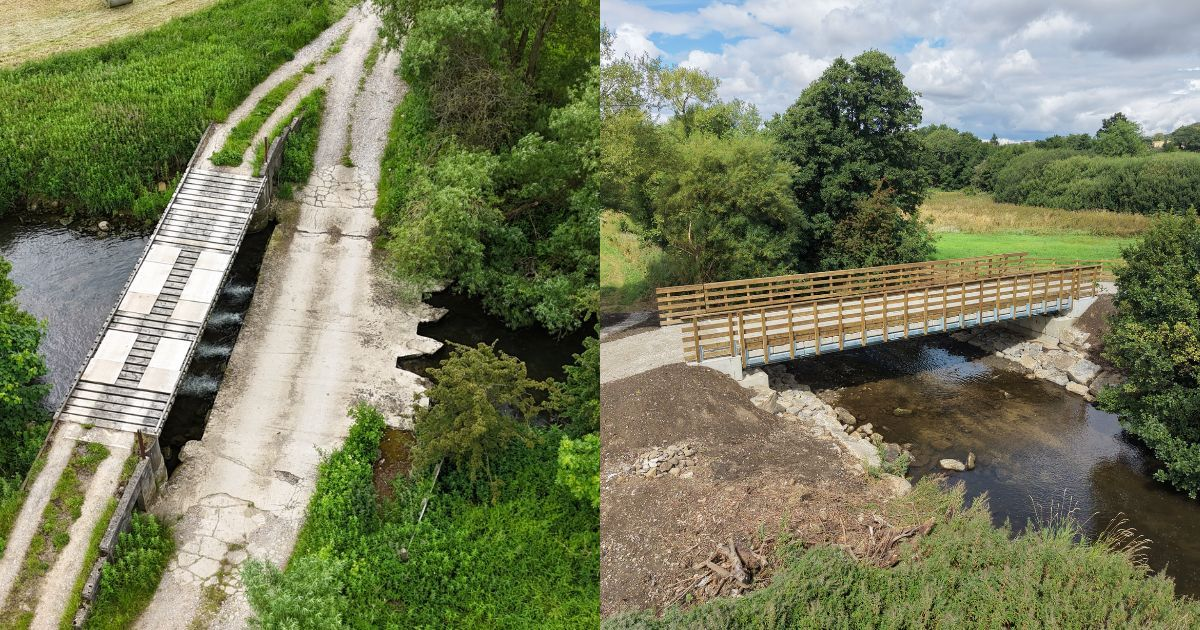
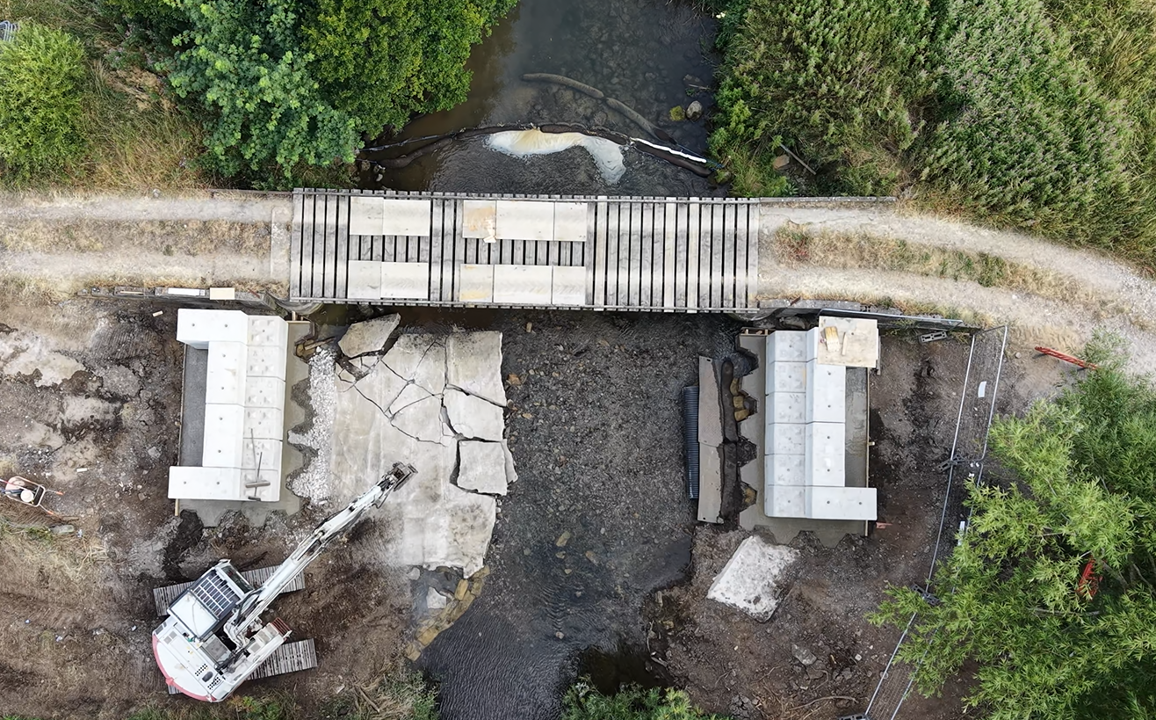
, installed
500 metres of revetments
to help prevent toxic heavy metals entering watercourses, and laid
900 metres of drainage
. We have also helped plant nearly
1,000 locally grown, rare calaminarian plants
and
200 metal-tolerant trees
.
At a recent event celebrating the project’s achievements, we joined landowners, farmers and project partners including Mining Remediation Authority,
Yorkshire Dales National Park Authority
and
North Pennines National Landscape
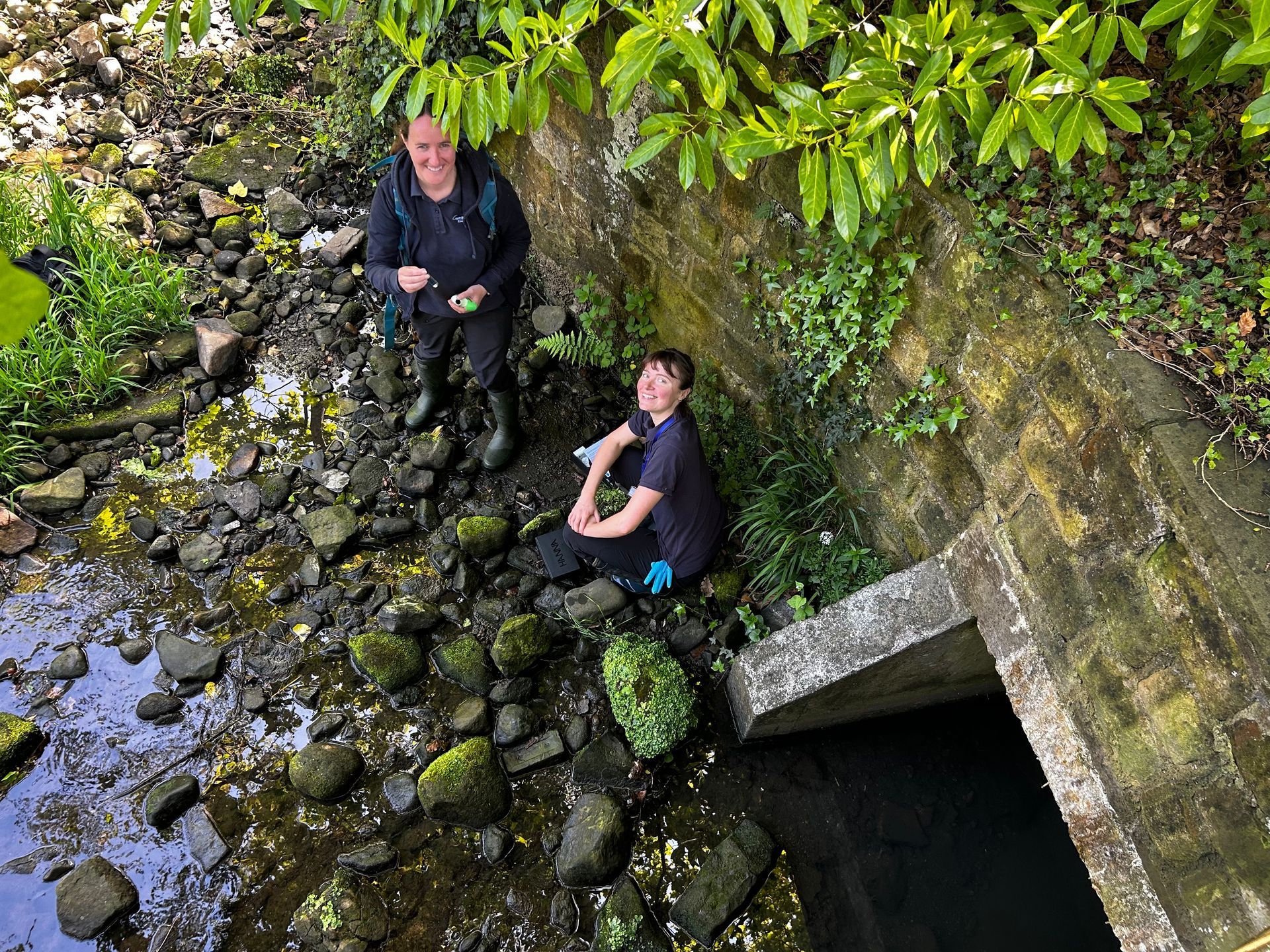
. We were delighted to see the evidence of the positive impact of our work on water quality, with the
Environment Agency
, another key project partner, presenting monitoring results that demonstrated measurable improvements.
The event celebrated what can be achieved through collaboration, with partners working together to transform a landscape once described as
“looking like Mars”
into a greener, more biodiverse environment with improved water quality.
Tees-Swale: Naturally Connected is a
fantastic example of how partnership working, research and practical action can deliver lasting benefits for our landscapes and waterways.
Photo: Measurable improvements in water quality at Marl Beck, Teesdale