Picture This: How Remote Cameras are Helping Us Understand River Recovery

12 November 2026

Removing barriers to reconnect rivers – but how to monitor the impact?

Man stood by a tree on a river bank engaging with a camera positioned in the tree.

On the Denton Reserve in West Yorkshire, digital camera technology is helping us capture the changes as they happen, providing valuable insights into how a river responds when given the freedom to flow more naturally.

Removing barriers, restoring habitats

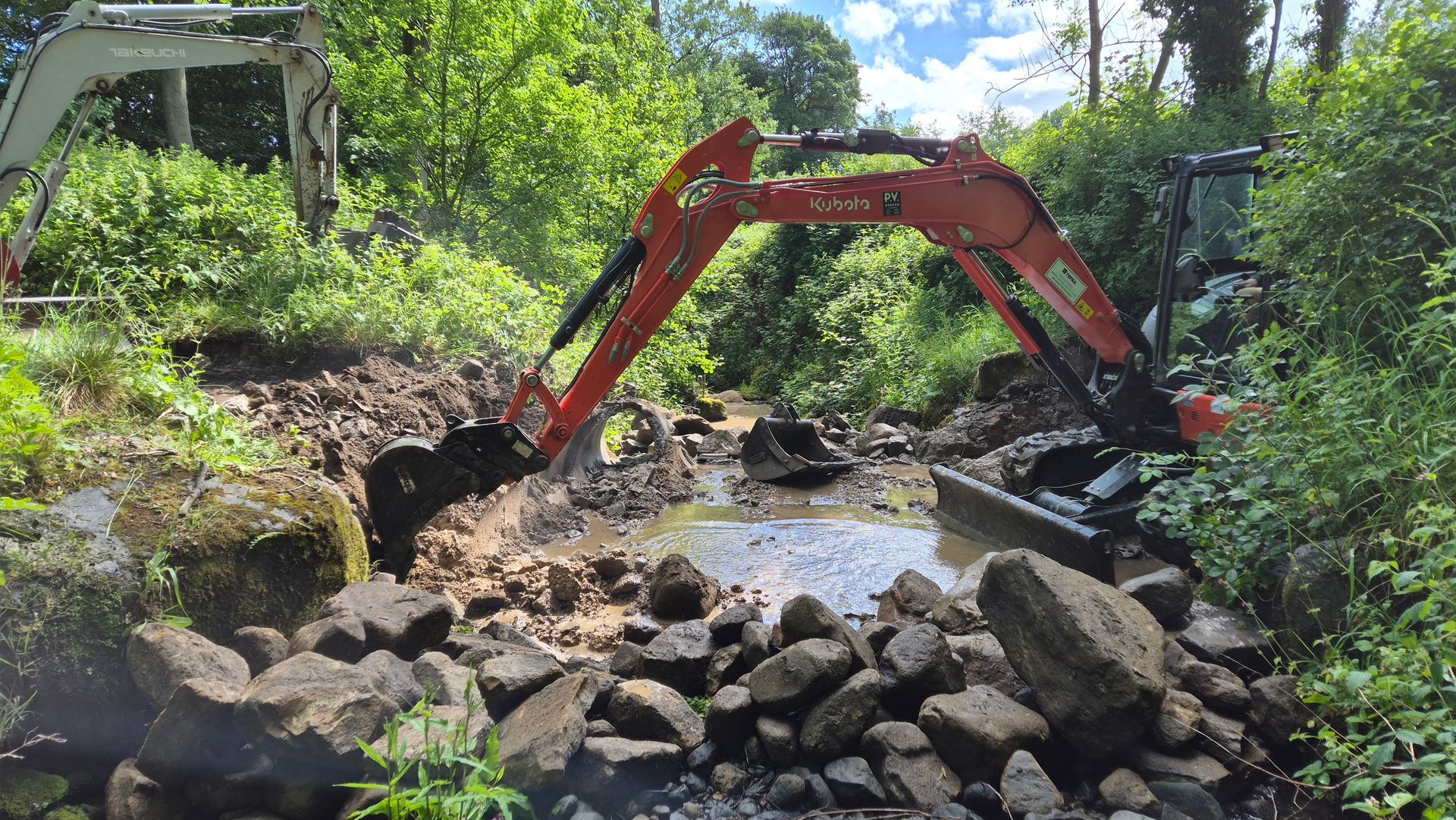
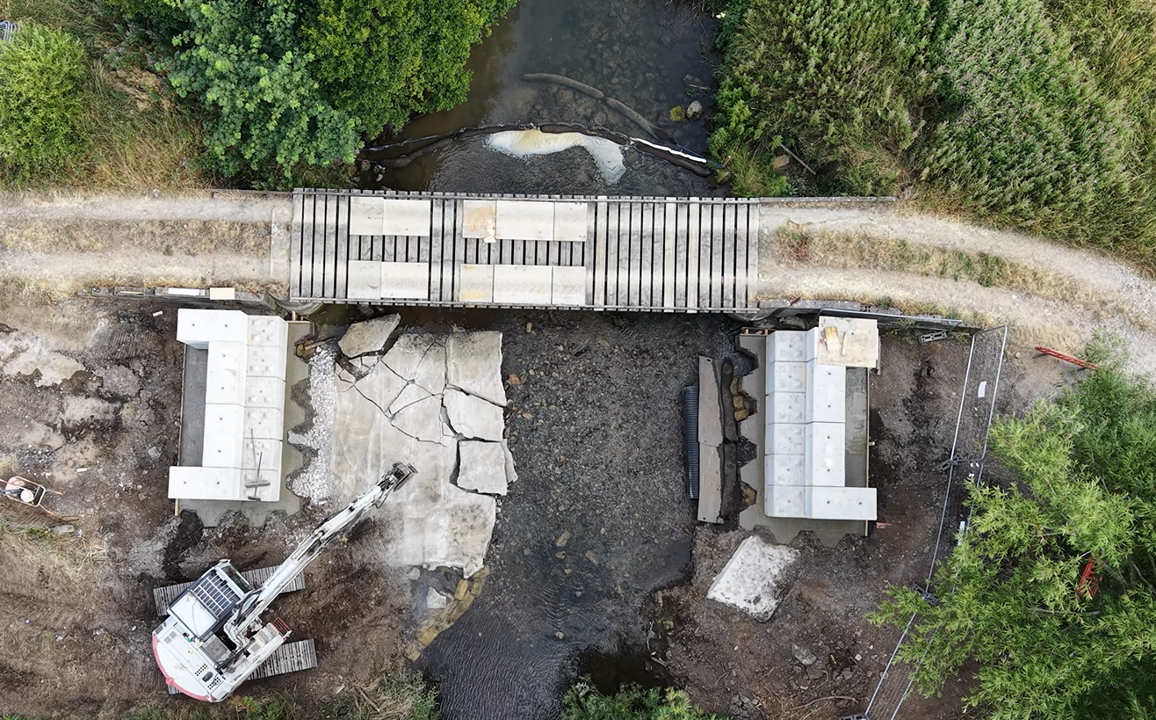
An excavator in a stream tearing away the concrete ford to open up the stream bed.

In September, I joined our River Restoration Project Manager Kate Colledge and Natural Flood Management Project Officer, Patrick Lane at the Denton Reserve to see how newly installed monitoring cameras were performing and learn more about their role in tracking the recovery of the estate’s Hundwith Beck.


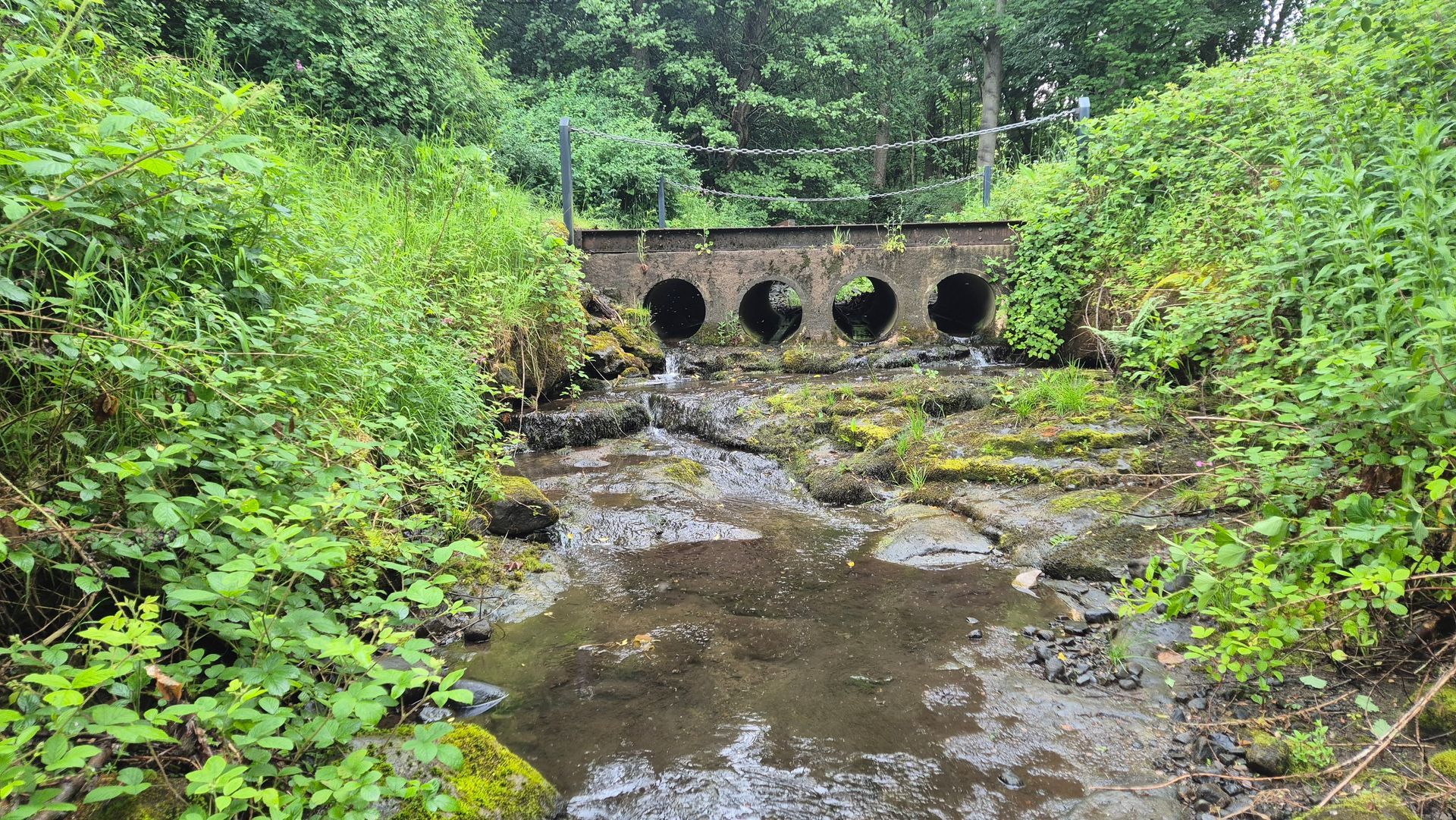
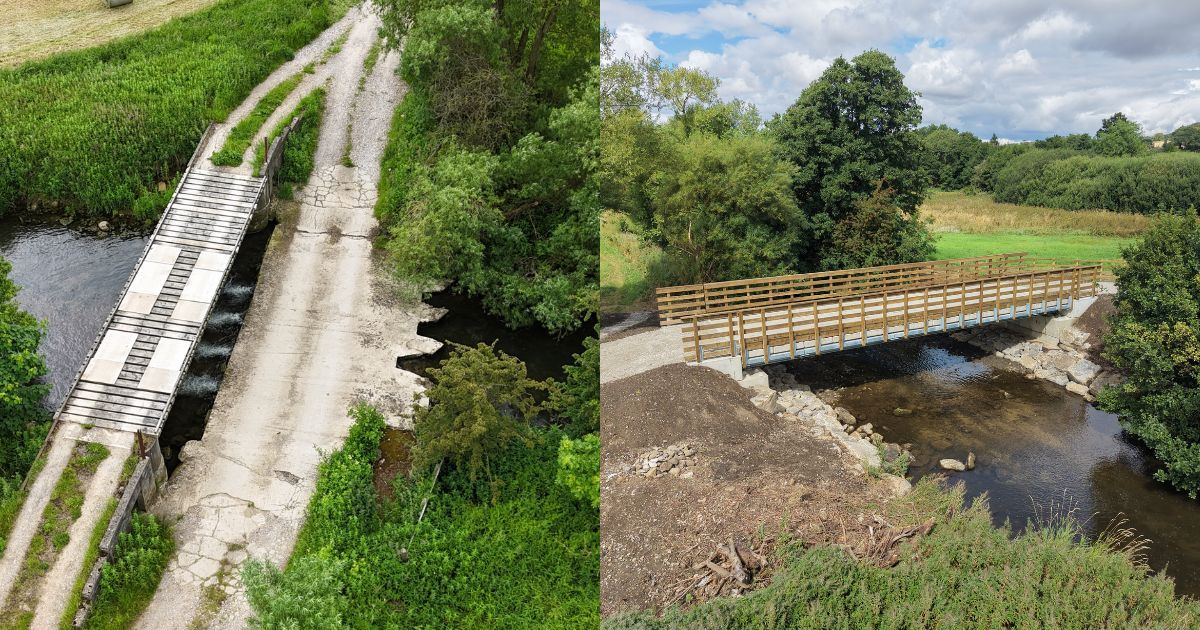
Working in collaboration with the estate and Wild Trout Trust, with funding from the Great Yorkshire Rivers partnership, our aim is to improve fish passage along the beck. We have done this by completely removing the two piped fords that were obstructing fish movement, and modifying four more informal boulder ford barriers using rock ramps.


Initial surveys by the Wild Trout Trust revealed healthy populations of resident fish in the upper and lower reaches of the beck, however the fords were preventing fish from moving freely to other parts of the watercourse. By reconnecting these sections, fish populations can now access important habitats for feeding, breeding, spawning and refuge.


In the longer term, once barriers further downstream on the River Wharfe are addressed, these improvements could also enable migratory fish species to reach valuable spawning and juvenile habitats.

Letting the river do the work

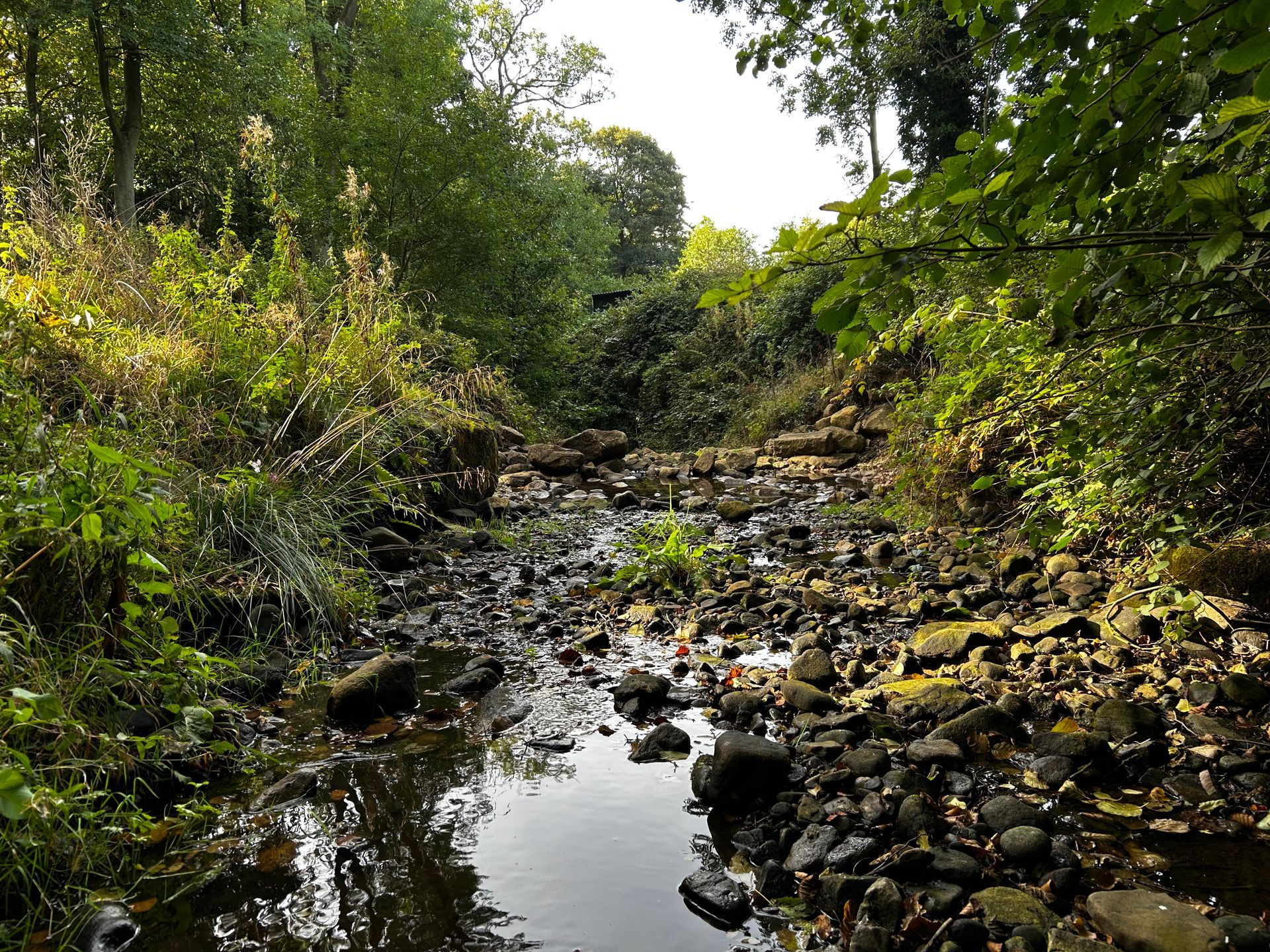
A stream bed with stones and gravels.

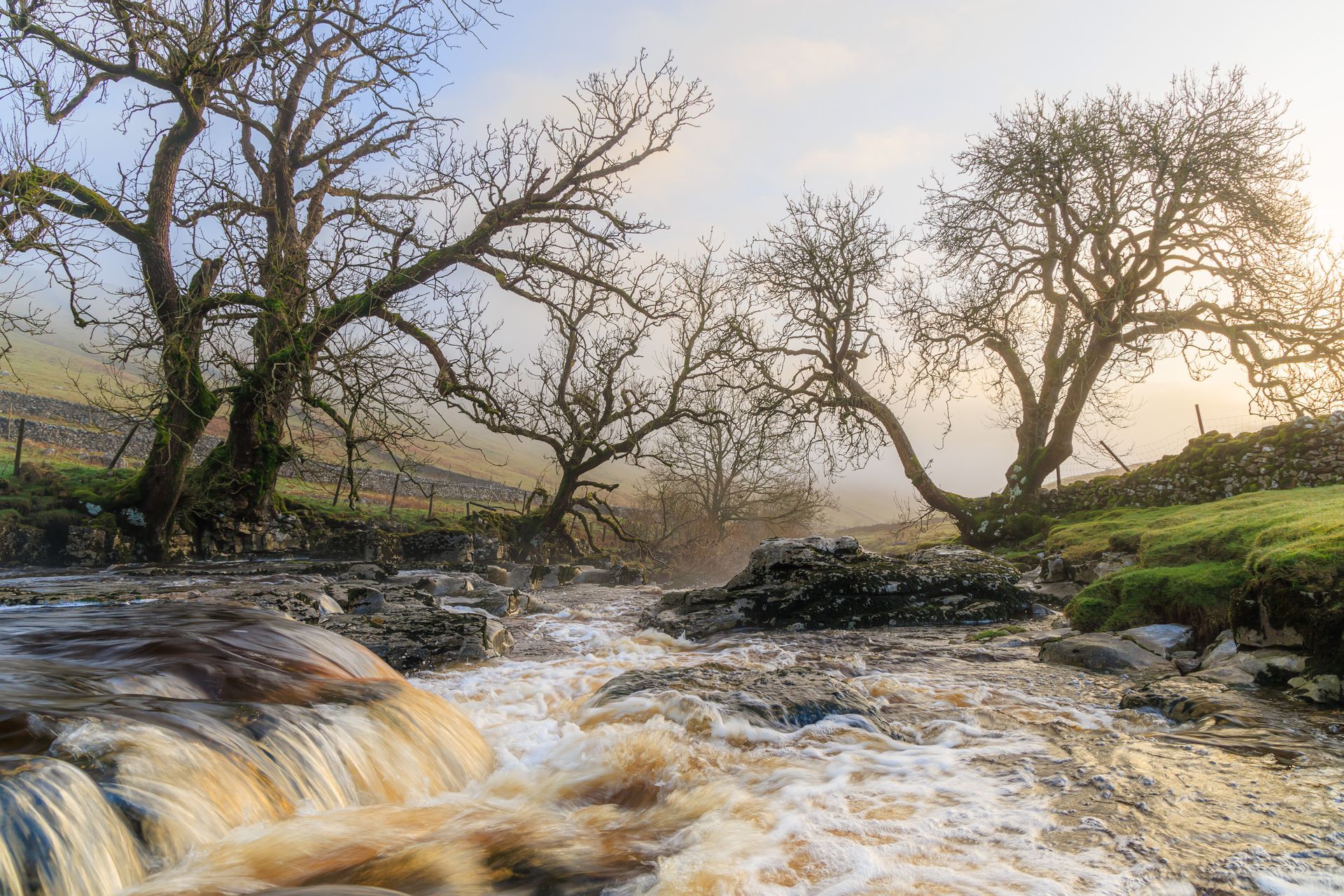
An estimated 10 million tonnes of water falls on the Denton Reserve each year, much of it flowing into and through Hundwith Beck. How this water moves through the landscape, and how the beck responds, are important considerations for the estate's wider ambitions to support a healthier, more resilient nature rich environment.


One of the key features of this project has been its relatively simple, cost-effective approach. Rather than relying on expensive engineering, the way we have removed the concrete fords means that the river can begin to restore its own natural processes. Gravels previously trapped behind the structures can now freely move downstream during higher flows, whilst the addition of boulders in key places will help to create a more varied, natural channel.


However, since rivers are dynamic environments their response to these changes isn't always immediate or predictable, which makes monitoring essential.

Capturing the changes, one day at a time

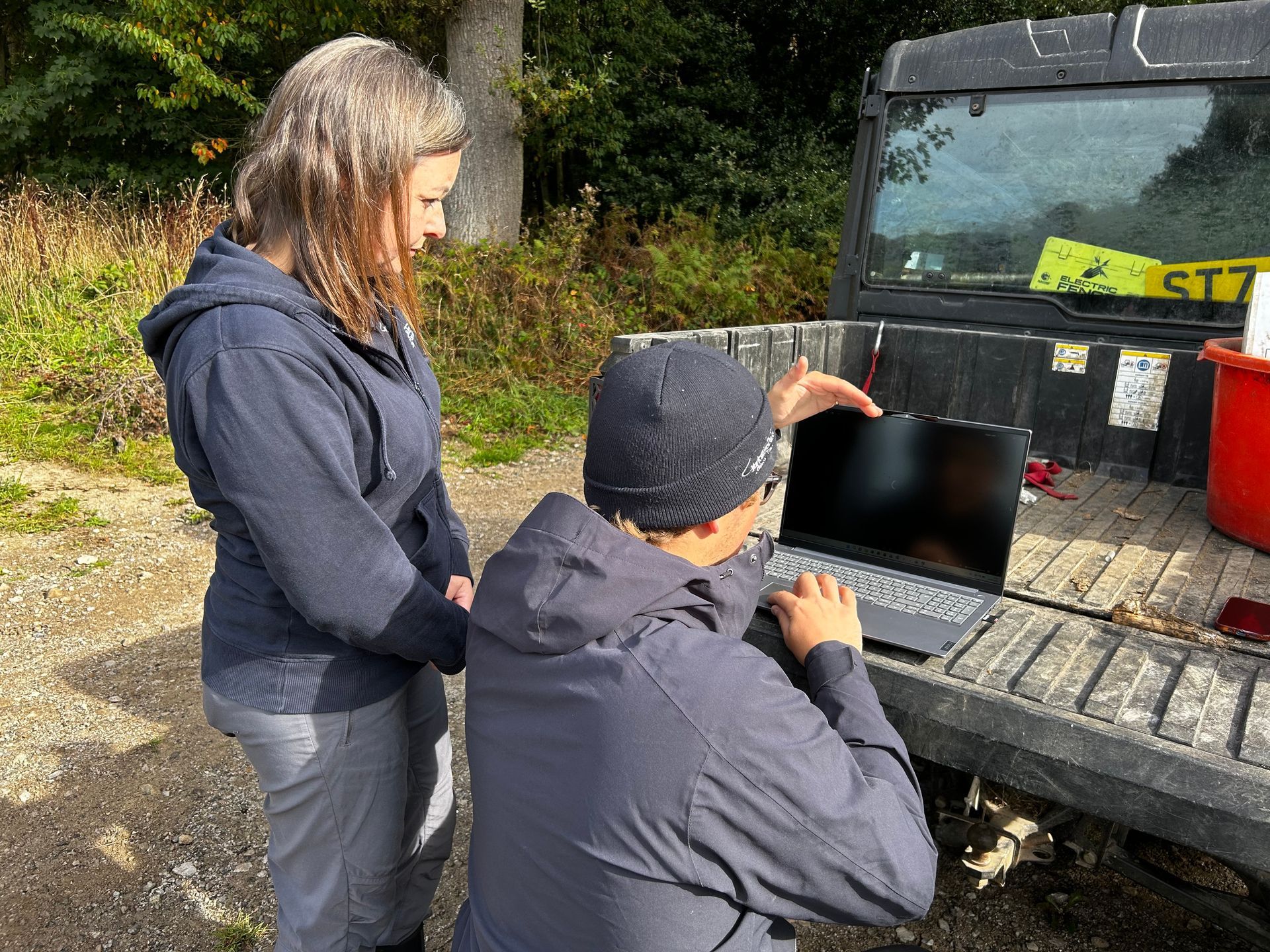
A man and a woman stood next to the boot of a quad bike looking at images on a laptop.

Recently installed solar-powered cameras are currently programmed to take one photograph each day at 1pm, gradually building a visual record of how the beck changes over time. The solar panels allow the cameras to operate continuously for months, or even years, without any intervention from our team.


The cameras upload images remotely to the cloud using mobile phone signal, allowing the team to check progress without repeatedly visiting the site. Higher-resolution images can also be downloaded when more detailed examination is needed.


During our September visit it was encouraging to find that despite being positioned in shaded locations, the cameras were still showing 100% battery capacity after around two months.


Now Kate and Patrick are satisfied with the camera positioning and timing of photographs, they can simply check the cameras remotely each week and download any key high-definition images.


This approach will save valuable staff and volunteer time whilst reducing the need to access difficult-to-reach locations, particularly during periods of high river flow when some of the most significant changes can occur.


The cameras will be key to helping us observe and understand how gravels redistribute, how the channel adjusts and whether the relatively light-touch interventions are supporting the return of more natural river processes.


Whilst photographs alone cannot confirm improved fish movement, they will provide an important part of the evidence needed to understand how this project is performing.

Building evidence 

A piped concrete ford over a stream.

With funding from the Great Yorkshire Rivers partnership supporting monitoring over the next three years, our images will create a valuable visual record of the beck's recovery.


The information gathered will help us assess the effectiveness of the work, inform future decisions and share learning with other Great Yorkshire Rivers projects barrier removal and mitigation projects taking place across the region.


Looking ahead, we're keen to make greater use of this technology across our river restoration work. Nature needs time to respond, so remote cameras offer a practical, cost-effective way of building our understanding of catchment and river adaptation and recovery.


Find out more about our other Great Yorkshire Rivers projects below:

by Victoria Benn • 5 November 2026
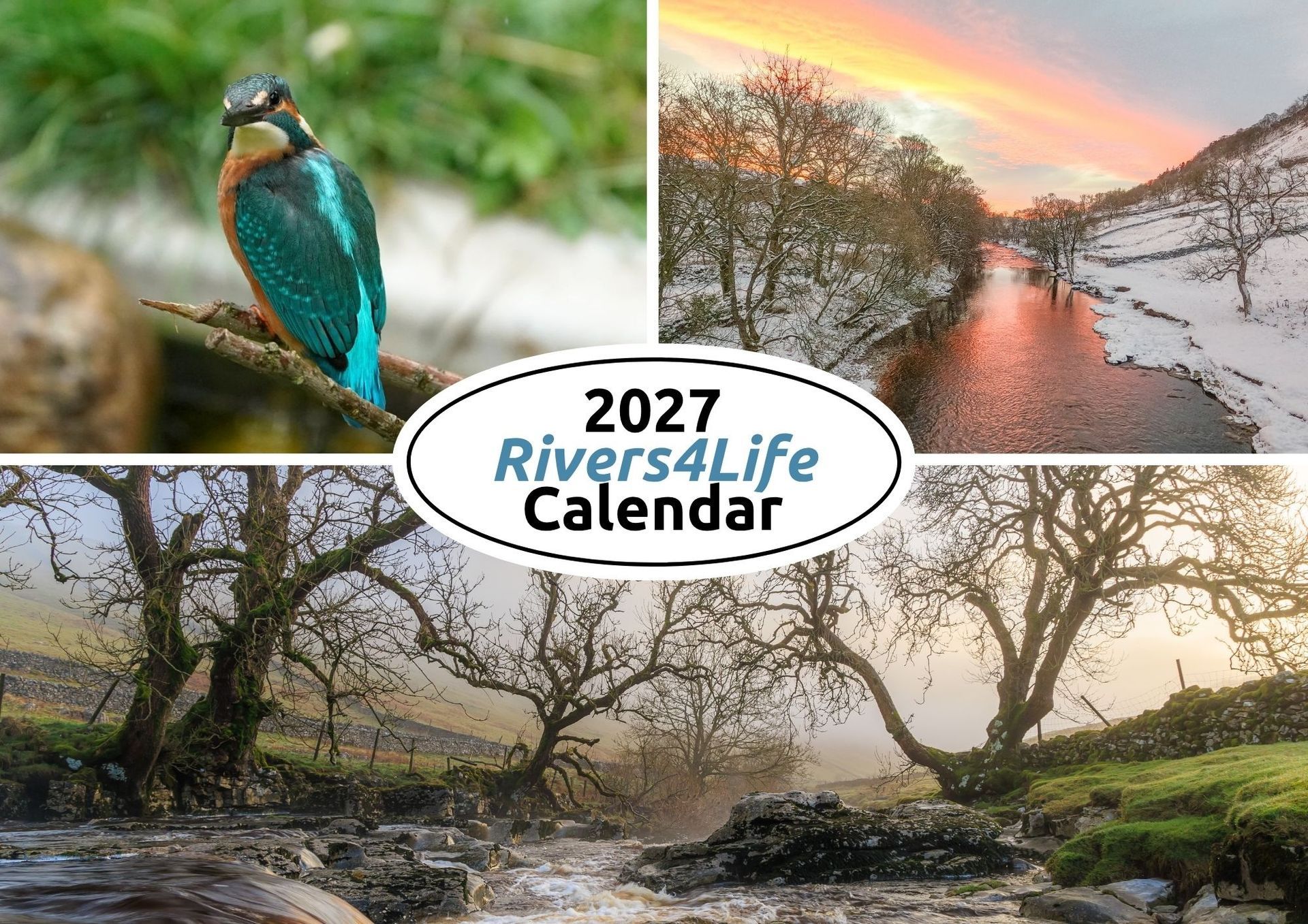
Celebrate Yorkshire's Rivers and Wildlife with our 2027 Calendar 
4 November 2026
Read our latest update here!
by Victoria Benn • 27 October 2026
Introducing Rivers4Life
by Victoria Benn • 21 October 2026
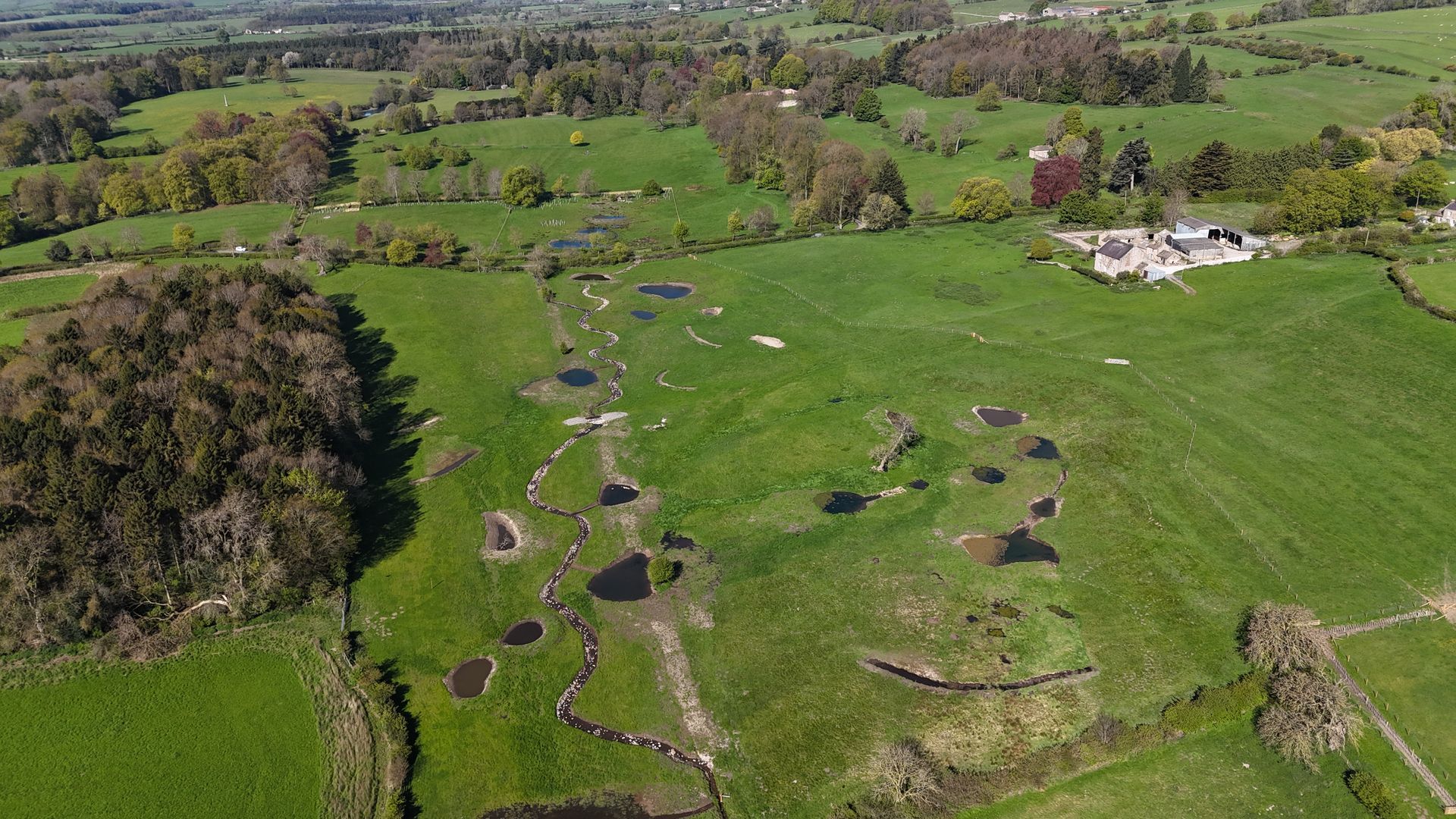
Giving water and nature more space
by Victoria Benn • 29 September 2026
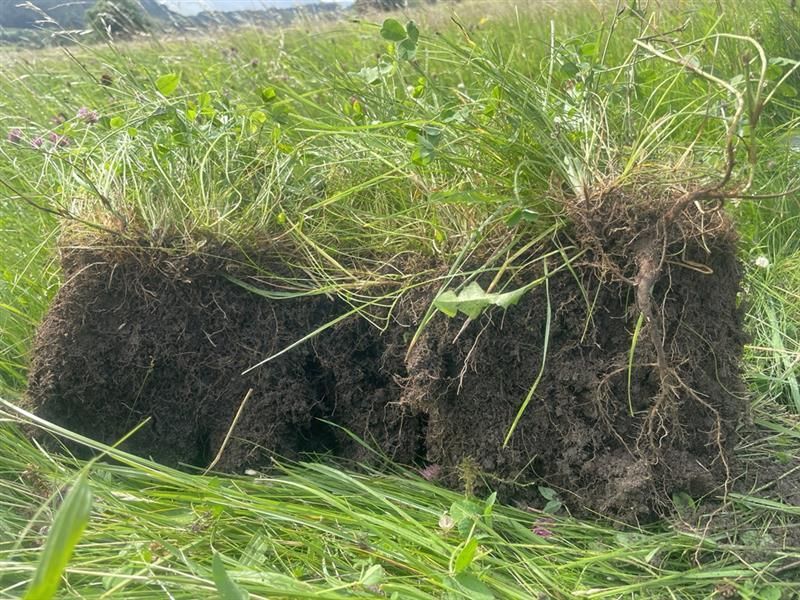
The importance of healthy soils
by Victoria Benn • 23 September 2026
A stream struggling to recover
by Victoria Benn • 6 September 2026
Read our latest update here!
by Victoria Benn • 2 September 2026
What are combined sewer outfalls?
by Victoria Benn • 31 July 2026
Read our latest update here!
by Victoria Benn • 24 July 2026
Where else can you find ‘beaver-nibbled wood chips’ displayed alongside 3D models of crayfish, stunning artwork, and colourful bunting created by local primary school children?
Show More